
© WWF-Canada

Mining

Mining provides essential materials for daily life but also poses risks to nature and people.

To ensure nature and communities thrive, mining impacts must be avoided where possible, minimized when they can’t be avoided, and restored when they occur.

Avoiding Impacts and Protecting Nature

Industrial-scale mining is important to Canada’s economy and provides “critical minerals” that can support the shift to clean energy. At the same time, mining operations can have harmful impacts on nature like pollution, habitat loss and fragmentation, and land use change — when people convert land from one purpose to another, such as clearing a forest for agriculture or paving over wetlands to build roads.

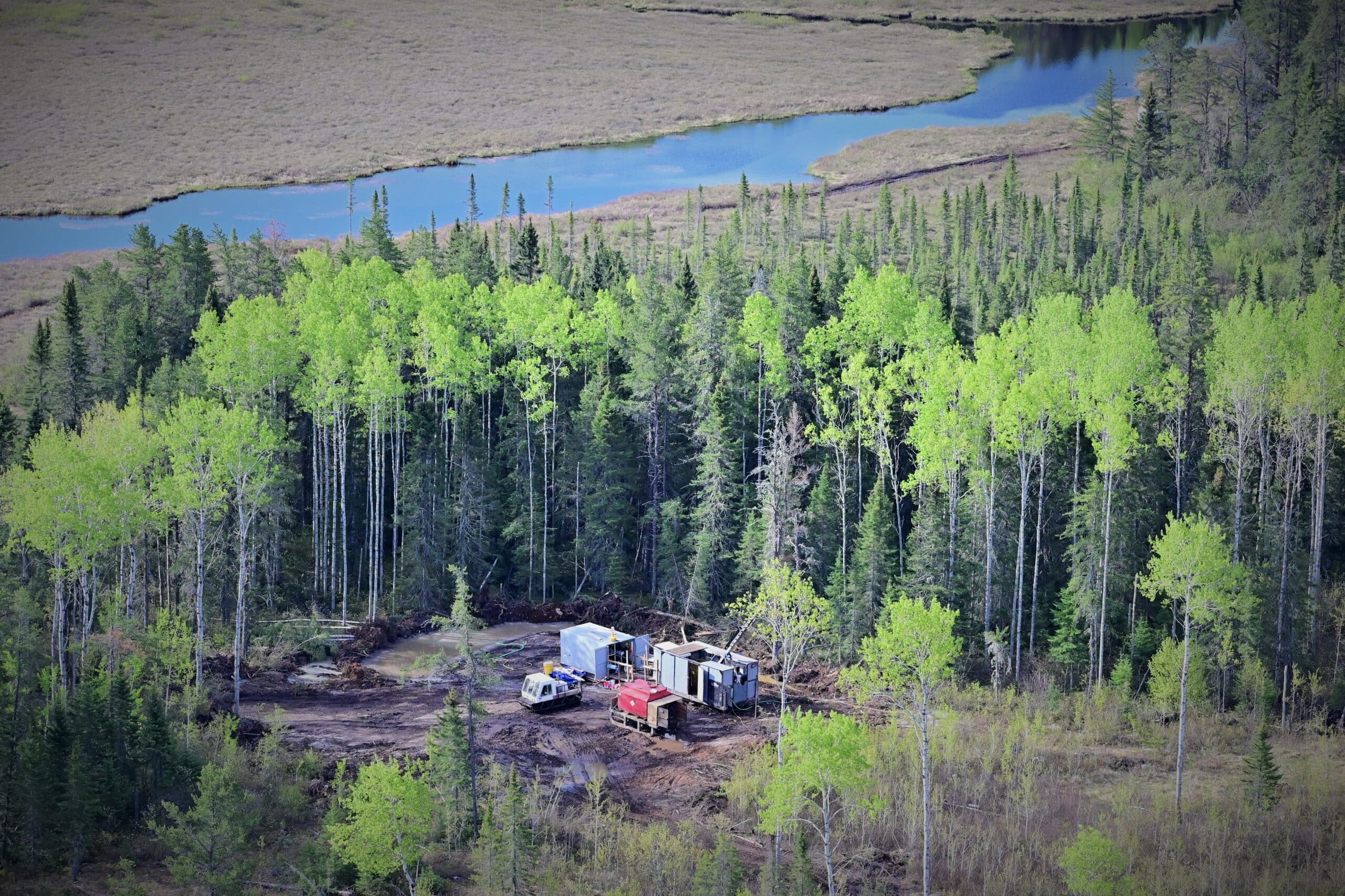
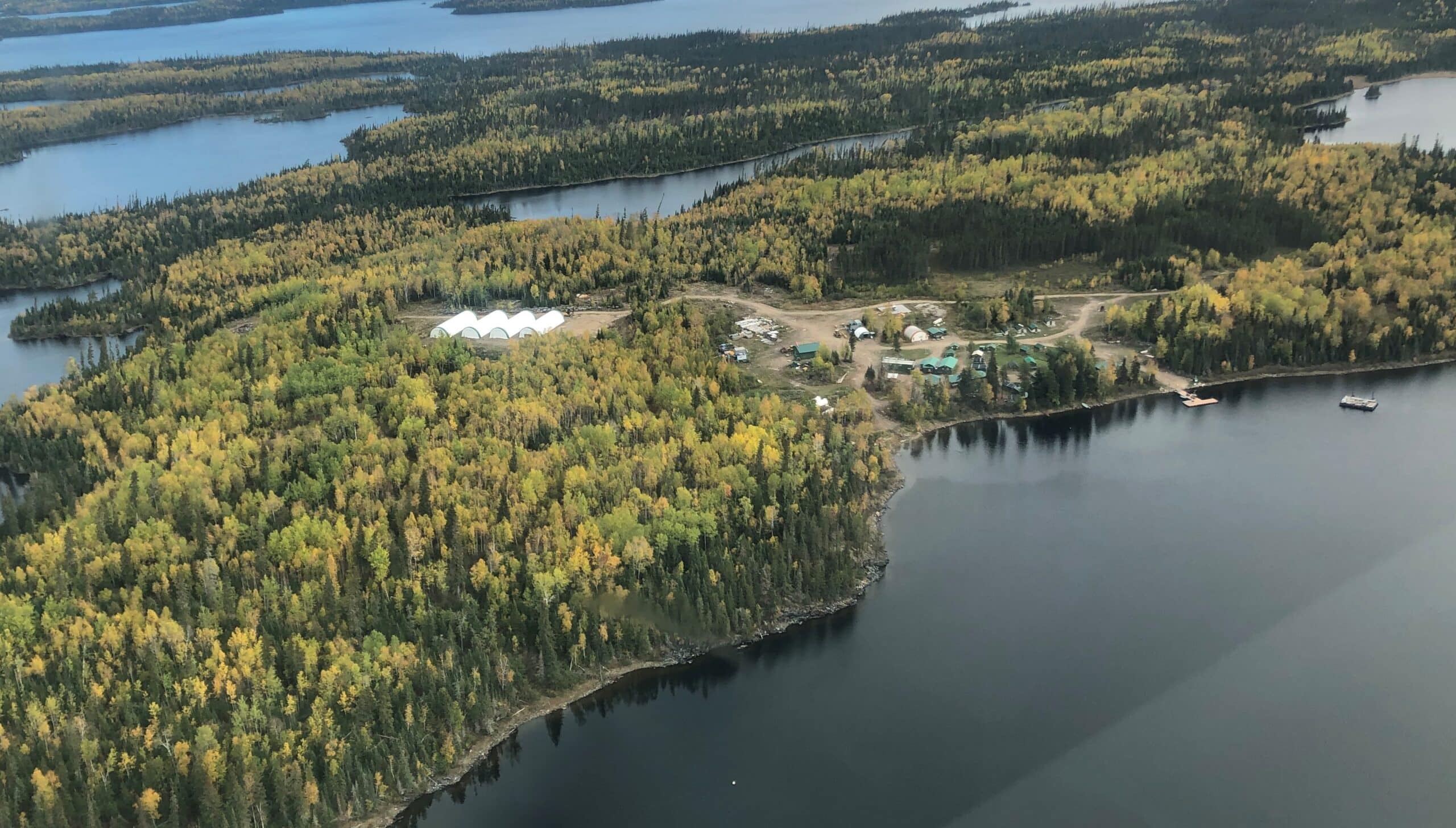
Often overlooked are impacts from the early stages of development before a mine is built. For example, mineral claim staking, the legal process of securing the rights to explore for and extract minerals on a specific area, can interfere with plans to protect and steward wildlife habitat. Exploration activities such as mechanized drilling can compact soil, fragment habitat, disrupt water flow and contaminate water.

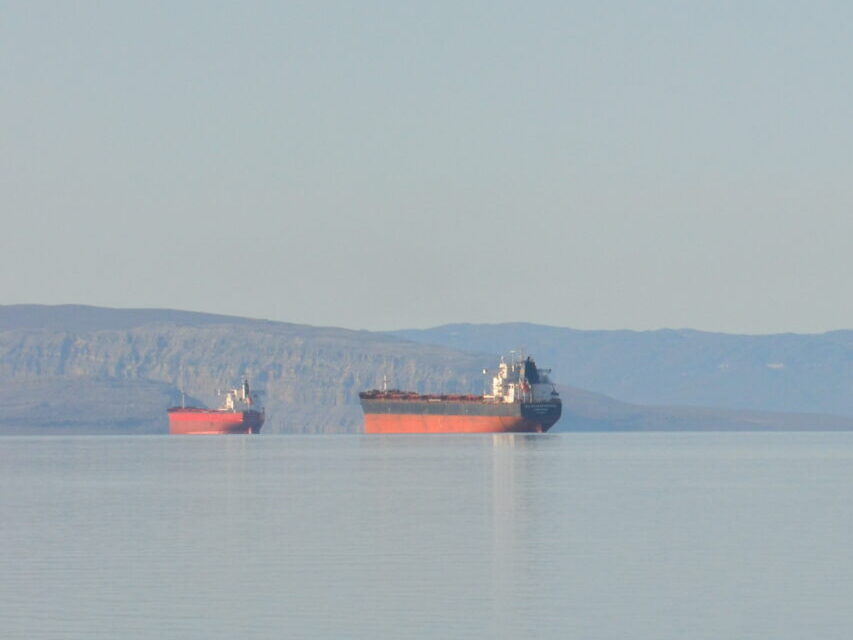
Infrastructure needed to support mining can affect wildlife in sensitive ecosystems. This can come in the form of road networks that fragment habitat, cut through migration paths and impact wildlife movement and behaviour, and increased marine shipping that causes underwater noise and disrupts the ability of marine mammals to feed, mate and navigate. Canada is also burdened by roughly 10,000 abandoned mining sites across the country, which governments must now pay to clean up.

These impacts are often intensified because mining activities frequently take place in sensitive ecosystems and on the territories of Indigenous Peoples where activities can affect traditional land use practices and Indigenous rights. In Canada, about 80 per cent of the country’s roughly 200 operating mines are found in the boreal forest which stretches across the country and is a vital area for biodiversity, carbon storage and wildlife habitat.

Meet Our Experts

    Karen Saunders, MES, R.P.F.

    Vice-President, Wildlife and Industry

    Karen Saunders, MES, R.P.F.

    Vice-President, Wildlife and Industry

    Karen relies on her extensive background in natural resources to lead WWF-Canada’s Wildlife and Industry team. The team works to reduce habitat disruptions and impacts on wildlife from industrial activities in the shipping, mining and forestry sectors. Karen has considerable experience in fieldwork, research and analysis, policy, impact assessment and planning, and has spent years learning from and supporting First Nations in northern Ontario. Karen is a Registered Professional Forester in Ontario with an undergraduate degree from Lakehead University and a Master of Environmental Studies from Dalhousie University.

    Devin Holterman

    Senior Specialist, Mining

    Devin Holterman

    Senior Specialist, Mining

    Devin is part of the Wildlife & Industry team with a special focus on the mining sector. In this role, he works to reduce and eliminate the impacts of mining on wildlife and habitat in WWF-Canada’s priority regions. Devin conducts research, analysis and outreach that advocates for improved industry practices and government regulations related to mineral exploration and development, reduces the impacts of operating mines, and supports the priorities of Indigenous communities. Devin holds a PhD in Human Geography from York University.

    Jocelyn Cheechoo

    Senior Specialist, Hudson & James Bay Lowlands

    Jocelyn Cheechoo

    Senior Specialist, Hudson & James Bay Lowlands

    Jocelyn is a part of the Resilient Habitats team with a special focus on the Hudson and James Bay Lowlands. Jocelyn supports Indigenous-led conservation, and the protection and stewardship priorities of Indigenous communities across northern Ontario. Jocelyn is from Moose Cree First Nation.

    Shuchita Das

    Associate Specialist, Mining Research and Knowledge Mobilization

    Shuchita Das

    Associate Specialist, Mining Research and Knowledge Mobilization

    Shuchita supports WWF-Canada’s Wildlife & Industry team through research, drafting policy comments, and developing knowledge mobilization products focused on the ecological and social impacts of mineral exploration in Ontario. Her work supports rights holders, stakeholders, and community partners in responding to mining pressures and advancing Indigenous-led stewardship initiatives. Shuchita holds an M.Sc. in Sustainability Management from the University of Toronto and a B.A. in International Development and Psychology from McGill University.

view more experts

© WWF-Canada

What is the Issue?

Canada is pushing to significantly expand mineral exploration and mining activities across the country to supply critical minerals and precious metals used in many industries such as technology, defense, manufacturing and finance. To speed up this expansion, governments are reducing regulatory requirements, including providing exemptions to laws that protect the environment and species at risk, offering incentives and fast-tracking mining projects.

Removing safeguards or speeding up development processes, especially during ongoing environmental crises, can harm local ecosystems and place greater health, safety and economic burdens on nearby communities.

Although mining is important to Canada’s economy, efforts to speed up mineral development must not come before the need to protect nature, wildlife, the health and well-being of people, and Indigenous rights.
What WWF-Canada is Doing

WWF-Canada supports research, outreach and programming that works to assess and reduce or eliminate the negative impacts of mining on wildlife and biodiversity. This work advocates for strong mining regulations and best practices, while supporting the priorities of Indigenous Peoples that face disruptive mining-related activities in their territories.

© WWF-Canada

Addressing the impacts of mineral exploration

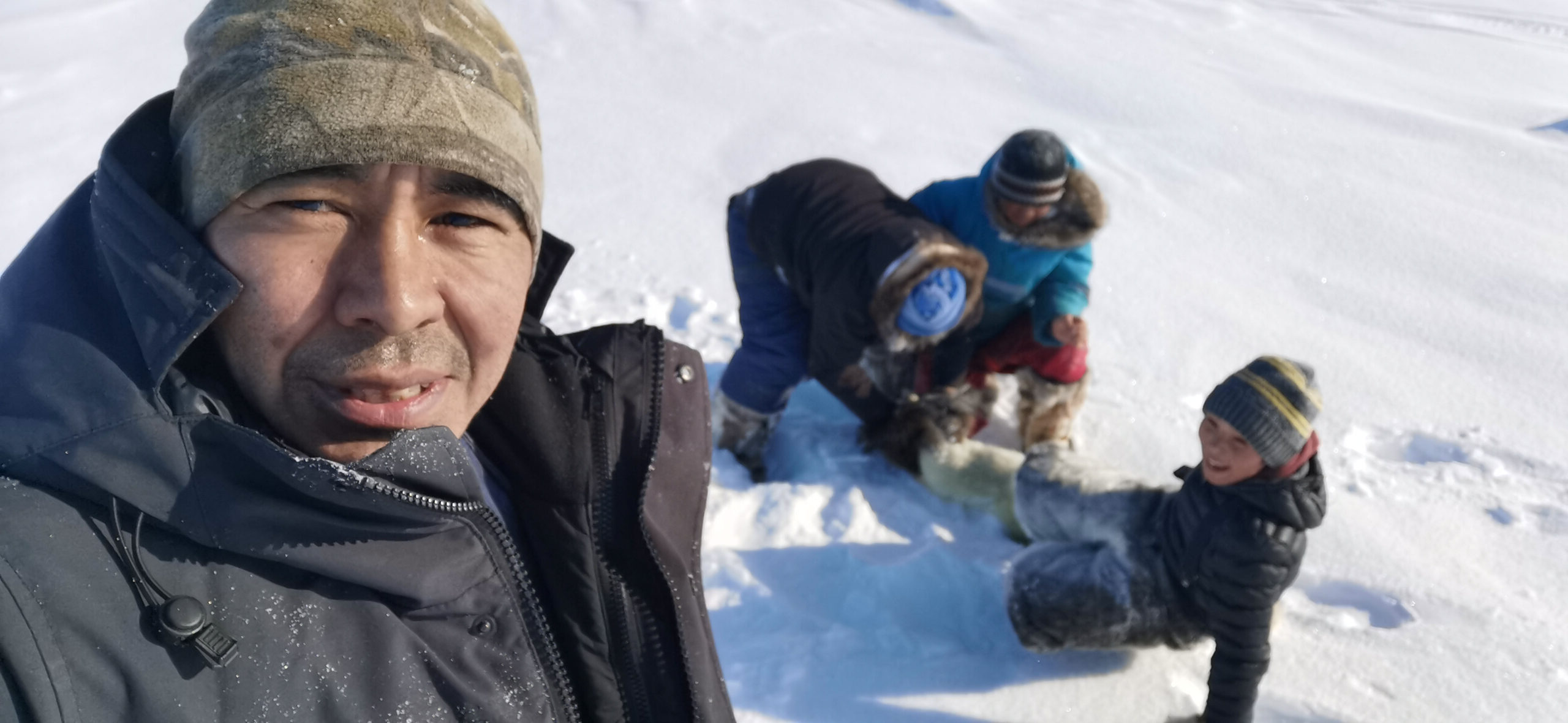
A focus of WWF-Canada’s work is the earliest stages of mineral development, when impacts on nature and communities are often overlooked. Long before a mine is built, claims are staked and exploration is carried out to assess mineral potential. These activities are often described as low-impact and temporary. But research and community outreach show they can cause a range of environmental and social impacts. WWF-Canada is working to better understand these impacts and how they can be avoided or reduced.


Learn more here: Overview: Unearthing the State of Knowledge about the impacts of mineral exploration activities in Canada

© WWF-Canada

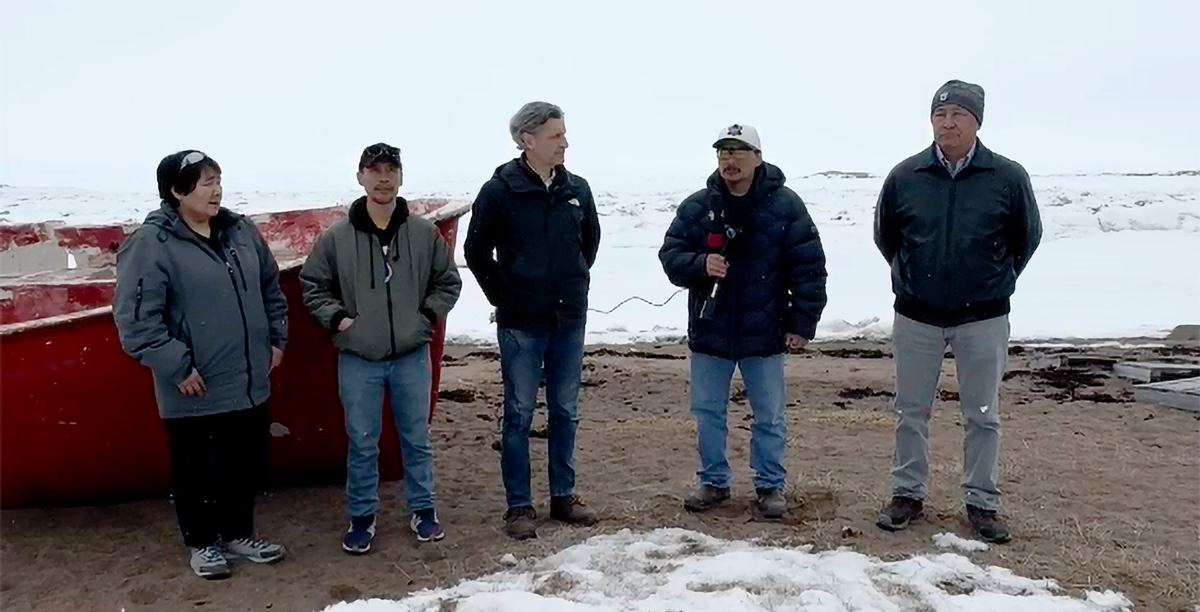
Identifying how mining claims are threatening land-use planning in Nunavut

The Recommended Nunavut Land Use Plan outlined areas in Nunavut where development should be allowed and where environmental protection must be prioritized. However, after nearly two decades of development, the plan was officially rejected by the signatory parties in July 2026. Meanwhile, the number of mining claims in Nunavut continues to grow. Some of these claims are being made in areas the land use plan identified as off-limits to development, such as caribou calving grounds. As a result of the rejection, these ecological and culturally important areas remain at risk. WWF-Canada continues to share information about the impacts of mineral claim staking and advocates for the long-term protection of these critical habitats.

Learn more here: Nunavut mineral claims (English, Kivalliq, Qikiqtaaluk)

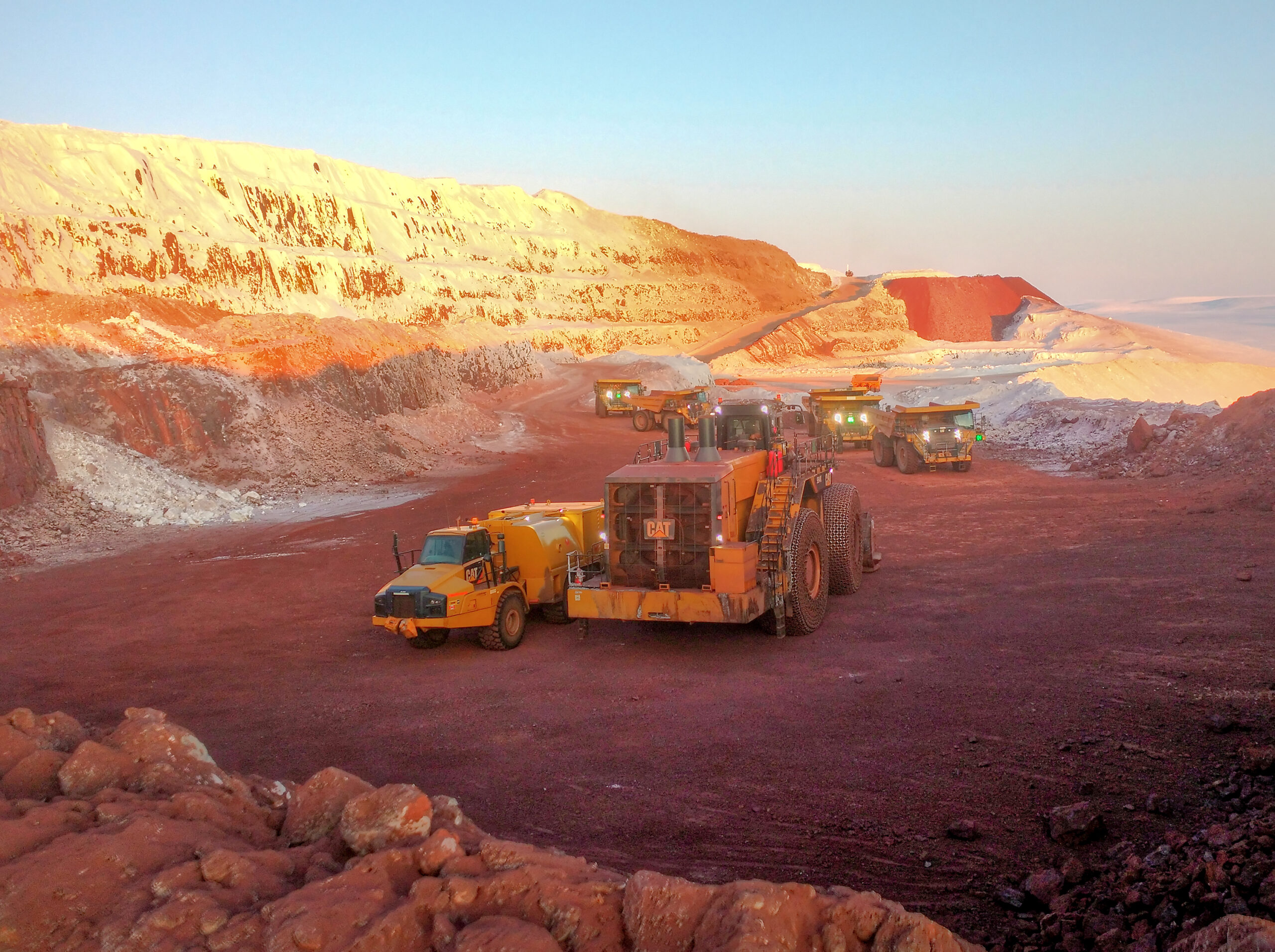
© WWF-Canada Mining equipment

Reducing impacts from operating mines

WWF-Canada works to avoid and reduce the impacts of operating mines, especially in sensitive ecosystems like the Canadian Arctic. In this region, industry and government plans to expand mining activities and related infrastructure often result in community concerns about the impacts on wildlife and Indigenous rights.

Learn more here: Arctic shipping