Rebuilding Canada also means restoring our nation’s nature
“Restoration doesn’t happen in isolation. Every native tree planted, acre restored, partnership built and effort done to restore nature helps rebuild a healthier, more resilient Canada,” said WWF-Canada VP Elizabeth Hendriks in her opening remarks at Rebuilding Canada, our inaugural Nature Restoration Forum in Ottawa. “In that sense, restoration becomes a nation-building project.”
At the end of October, we brought together Indigenous leaders, conservation scientists, land managers, field specialists, funders and community partners to help ramp up restoration efforts nationwide.
Our goal was to create a space for practitioners to share their experiences and challenges, discuss funding opportunities, and strengthen connections that can lead to future collaboration.
Canada’s national identity might be tied to nature, but for centuries we’ve been converting natural spaces to other uses — clearcutting a forest, for example, or draining a wetland to create space for development or agriculture — or degrading it through industrial activities like roads, forestry, mining and energy infrastructure that can leave behind fragmented habitats, polluted and blocked waterways, and barren lands.
The result is that there are areas across Canada that can no longer fully support native plant and animal species or provide crucial ecosystem services — things like filtering water, absorbing carbon from the air or reducing impacts from fires and floods.
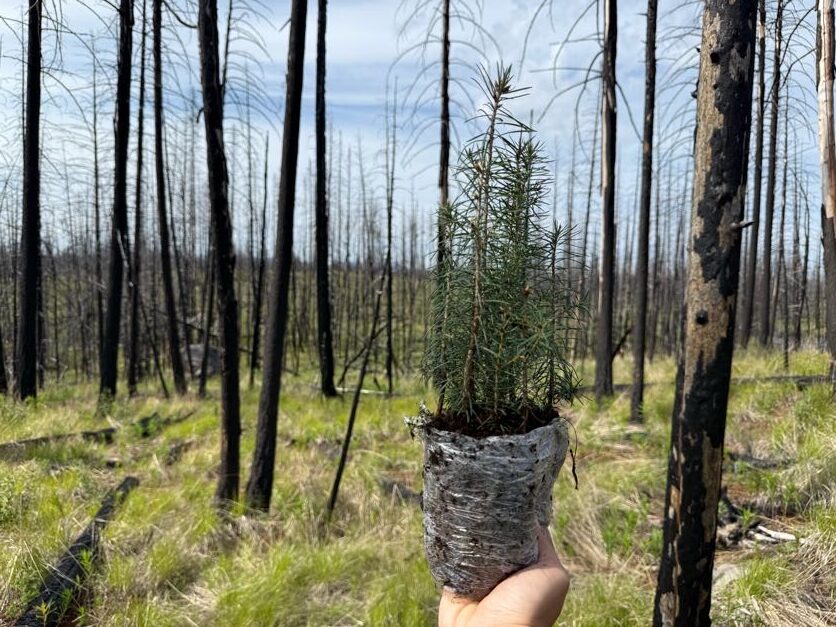
Restoration is about reversing that process. It can take the form of planting trees and shrubs after wildfires and diversifying sugar bushes to clearing obstructions and creating shade in salmon spawning streams and revegetating riverbanks to reduce erosion and absorb floodwaters.
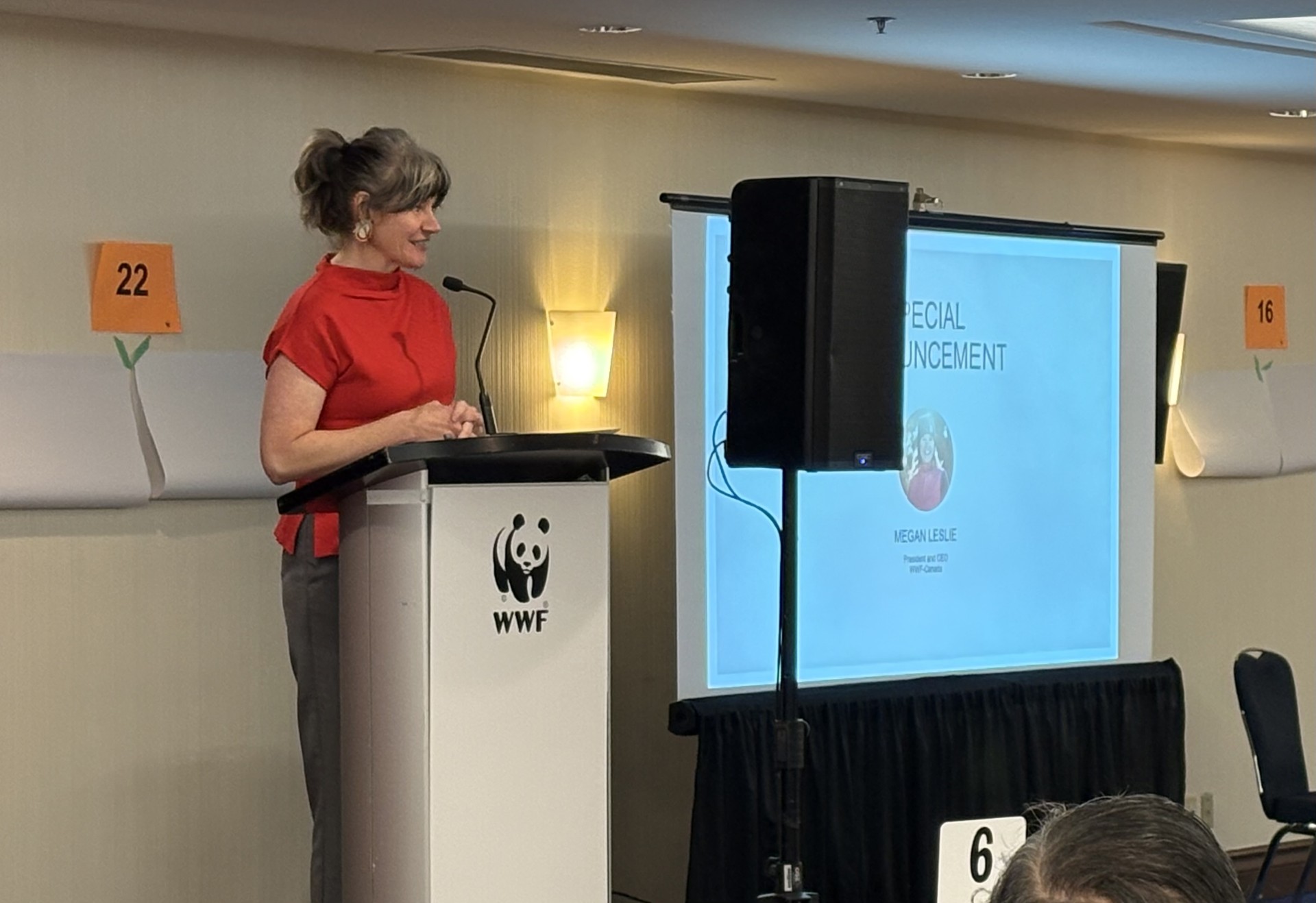
If that sounds like a lot of work, it is. But it is also a lot easier when we share the load. So, for a day and a half, WWF hosted fireside chats, panels, keynotes and breakout sessions to share perspectives and knowledge.
We learned tips from community-led projects, talked about tools like our Mission Restoration data tracker and came together for a closing workshop on creating a national restoration network that can help reinvigorate Canada’s conservation movement.
Click here to Learn more about our restoration work, from Indigenous-led initiatives in B.C.’s forests and watersheds and our peer-reviewed Restoration Analysis to our brand-new Catalyst Fund and ongoing re:grow and In the Zone programs to accelerate large- and small-scale efforts.