WWF

Posts count: 2948

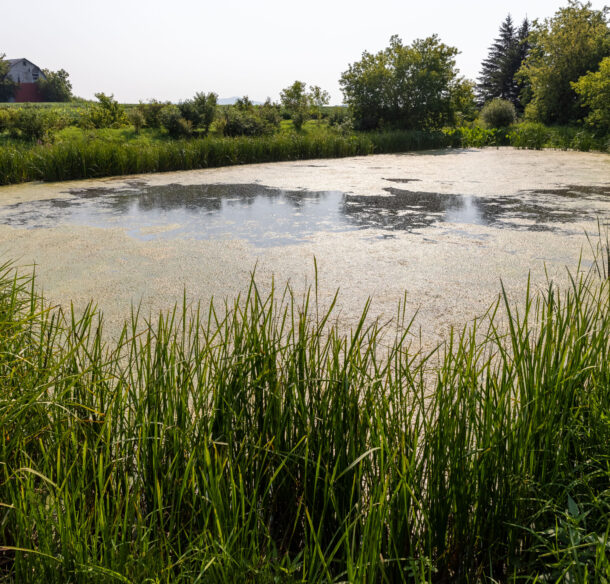
Act Locally: How to help wetlands work for you

Nature-based climate solutions don’t just benefit nature — they can enhance your own properties and communities, too. Alyssa Cousineau of ALUS shares how restoring and recreating wetlands can protect against floods, create wildlife habitats,... Read More
Nature-based climate solutions don’t just benefit nature — they can enhance your own properties and communities, too. Alyssa Cousineau...
Read More

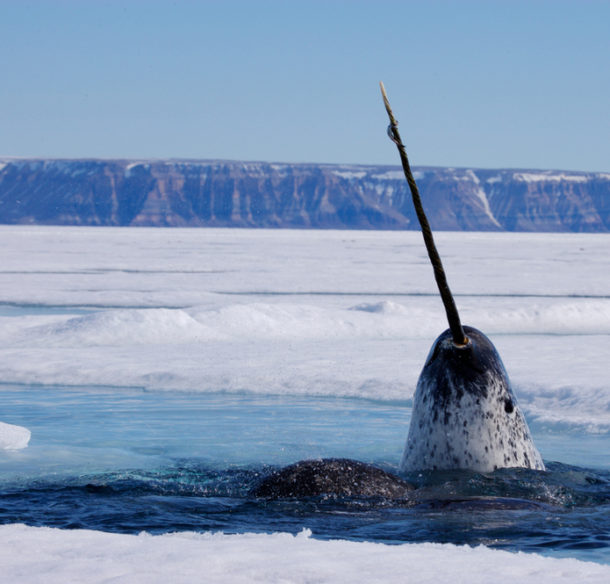
Decoding narwhal migration: Insights from a two-decade tracking study

A recent study is shedding new light on narwhal migration behaviors, their choice of migration routes, and the factors that influence these patterns — findings that could be critical to the conservation of this... Read More
A recent study is shedding new light on narwhal migration behaviors, their choice of migration routes, and the factors...
Read More
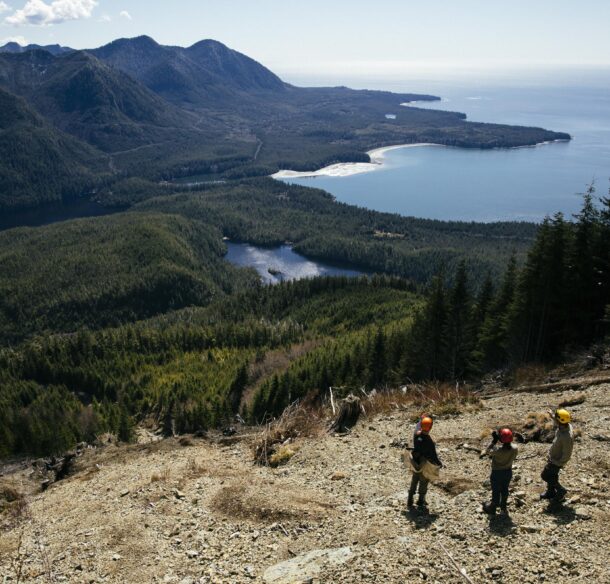
Three people survey erosion damage on a mountain slope in B.C.

Act Locally: How to help nature by preventing erosion in your community

All Canadians can apply nature-based climate solutions in their own backyards and communities. Jessica Hutchinson and Mandala Smulders of Redd Fish Restoration Society explain how to use natural materials to prevent erosion in large-... Read More
All Canadians can apply nature-based climate solutions in their own backyards and communities. Jessica Hutchinson and Mandala Smulders of...
Read More
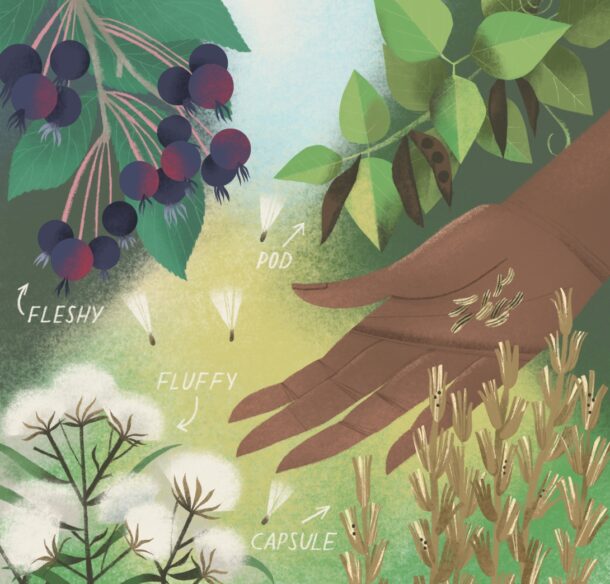
The four different types of seeds: fleshy berries, pods resembling pea pods, tube-shaped capsules and fluffy seeds being carried by the wind. A hand holds 10 of the seed capsules in its palm.

How to start a seed garden (and why you should)

A seed garden is a group of native plants grown with the goal of harvesting seed, the way someone would grow vegetables with the goal of harvesting food. It’s easy to get started. Read More
A seed garden is a group of native plants grown with the goal of harvesting seed, the way someone...
Read More

Q&A: How agriculture can drive restoration

Canadian farmland is used to grow the crops and raise the livestock that feed us. It is essential. But much like in cities, land development has conventionally displaced wildlife habitats. ALUS, a farmer- and... Read More
Canadian farmland is used to grow the crops and raise the livestock that feed us. It is essential. But...
Read More
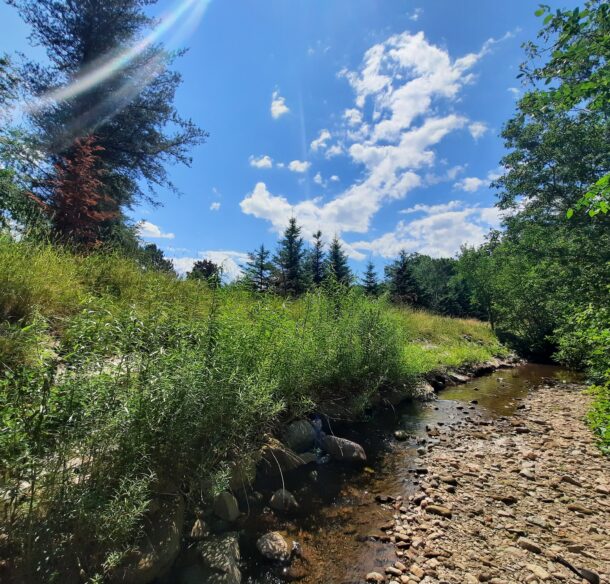
Native willow shrubs on the banks of a stream near Sussex, N.B

Act Locally: How to make your yard more nature-friendly with native shrubs

All Canadians can apply nature-based climate solutions in their own backyards and communities. Here, Ben Whelan of the Kennebecasis Watershed Restoration Committee shares how planting native shrubs can protect against floods, create wildlife habitats... Read More
All Canadians can apply nature-based climate solutions in their own backyards and communities. Here, Ben Whelan of the Kennebecasis...
Read More

Stay Connected

Get email updates on WWF-Canada’s critical conservation work and learn how you can make a difference.