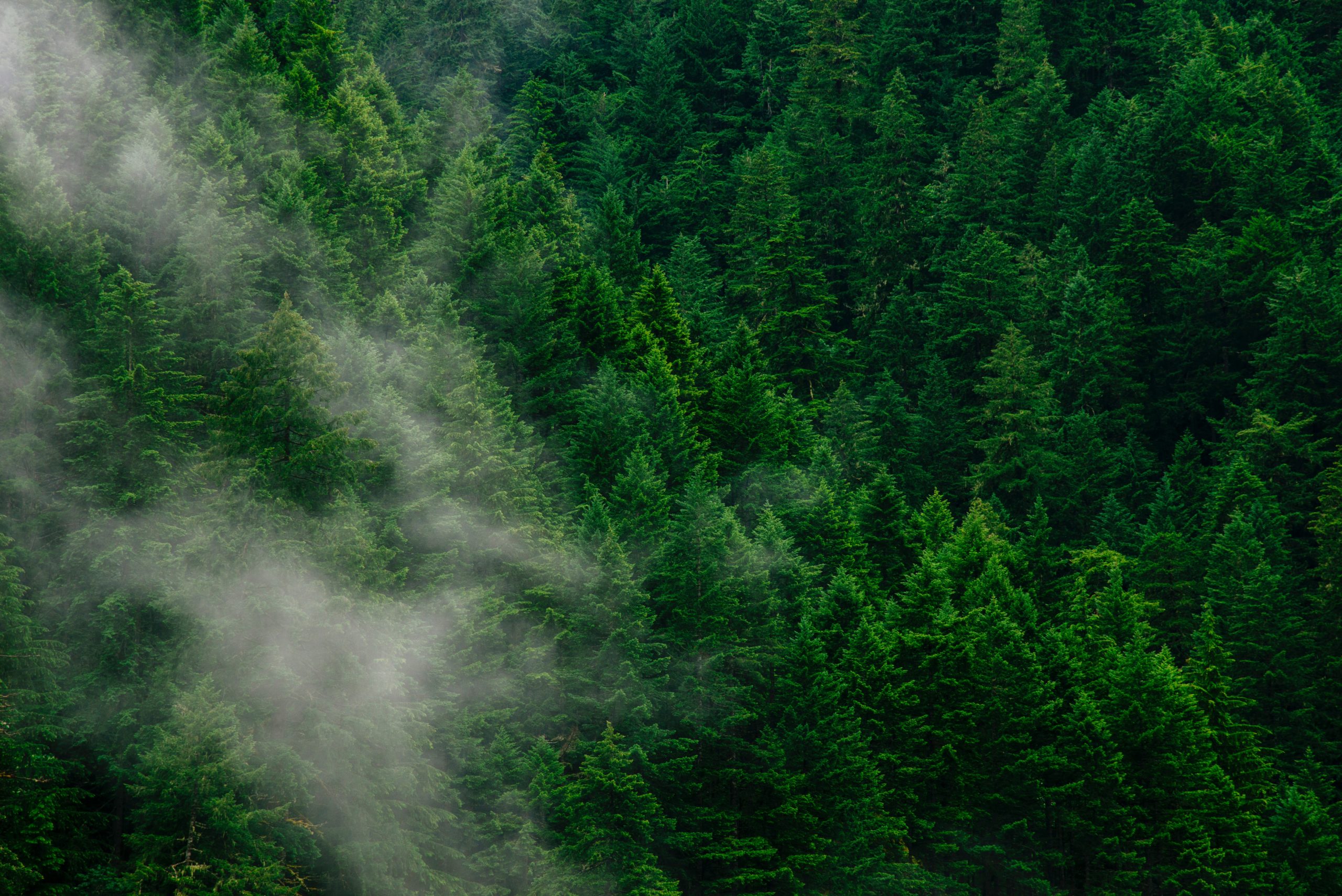
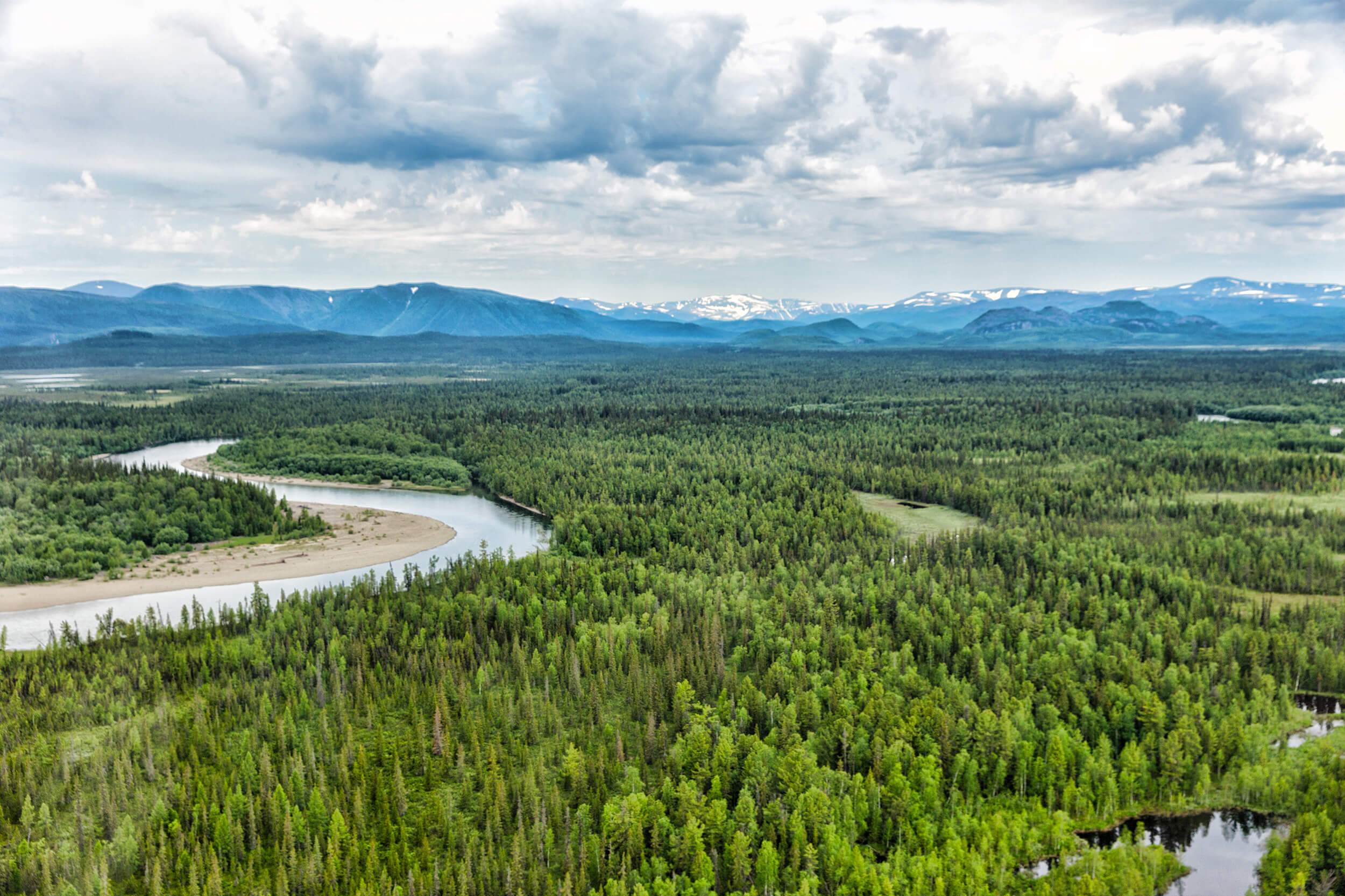

© Shutterstock Northern forest

Forests

Forests are the world’s life support system. Yet, they face many threats, such as unsustainable logging and wildfires. Healthy forests that provide habitat for wildlife and sequester carbon are more important than ever as we face biodiversity loss and climate change.

Forests in Canada are globally significant

Forests produce 40 per cent of our oxygen, help stabilize our climate, regulate rainfall, filter water, provide habitat for wildlife and supply high quality forest products.

Canada has the world’s third-largest forested area, with nearly nine per cent of all forests and 28 per cent of the world’s boreal region, a natural carbon vault that helps fight climate change. This means Canada has a responsibility to protect, steward and restore these critical regions, which it has acknowledged through international commitments like the Bonn Challenge and the Kunming-Montreal Global Biodiversity Framework.

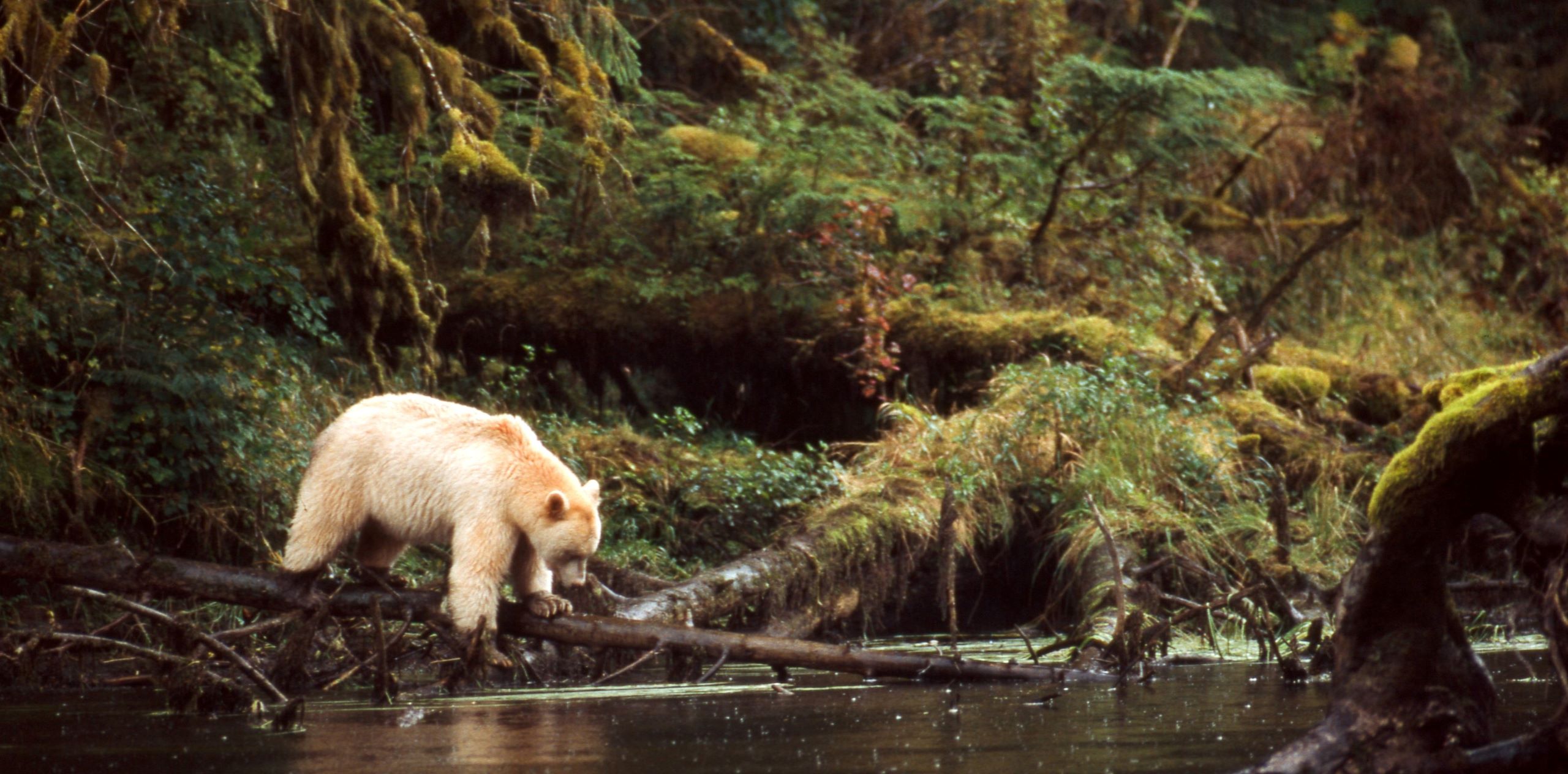
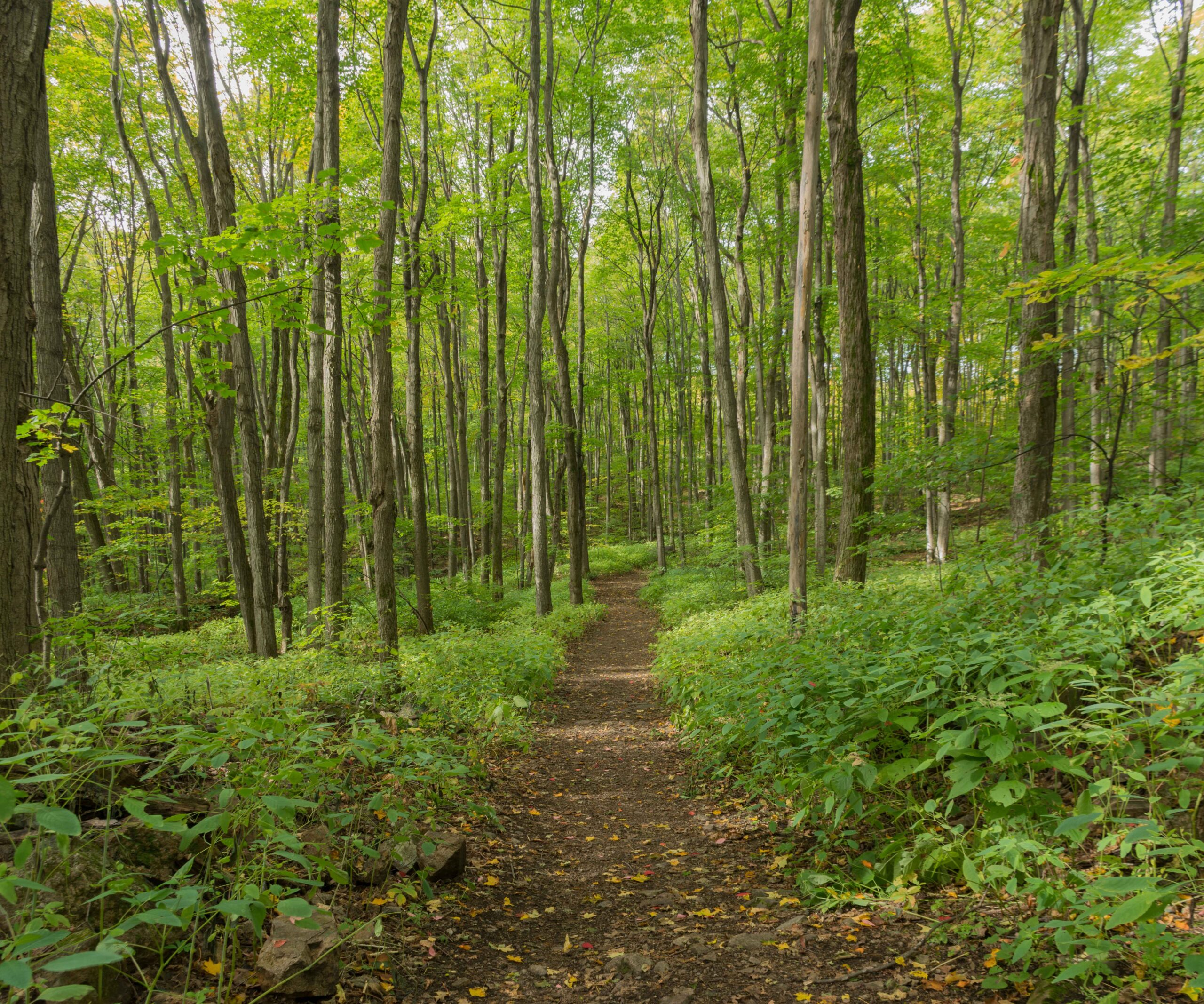
This country’s forests are incredibly diverse, from rainforests in B.C, to temperate forests in southern Ontario and southwestern Quebec, and boreal forests stretching from Yukon all the way to Newfoundland. These forests are also crucial to the livelihoods, economies and cultures of Indigenous Peoples. It’s up to all of us — governments, organizations, Indigenous Peoples, businesses and consumers — to protect, steward and restore this vital resource.

Meet Our Experts

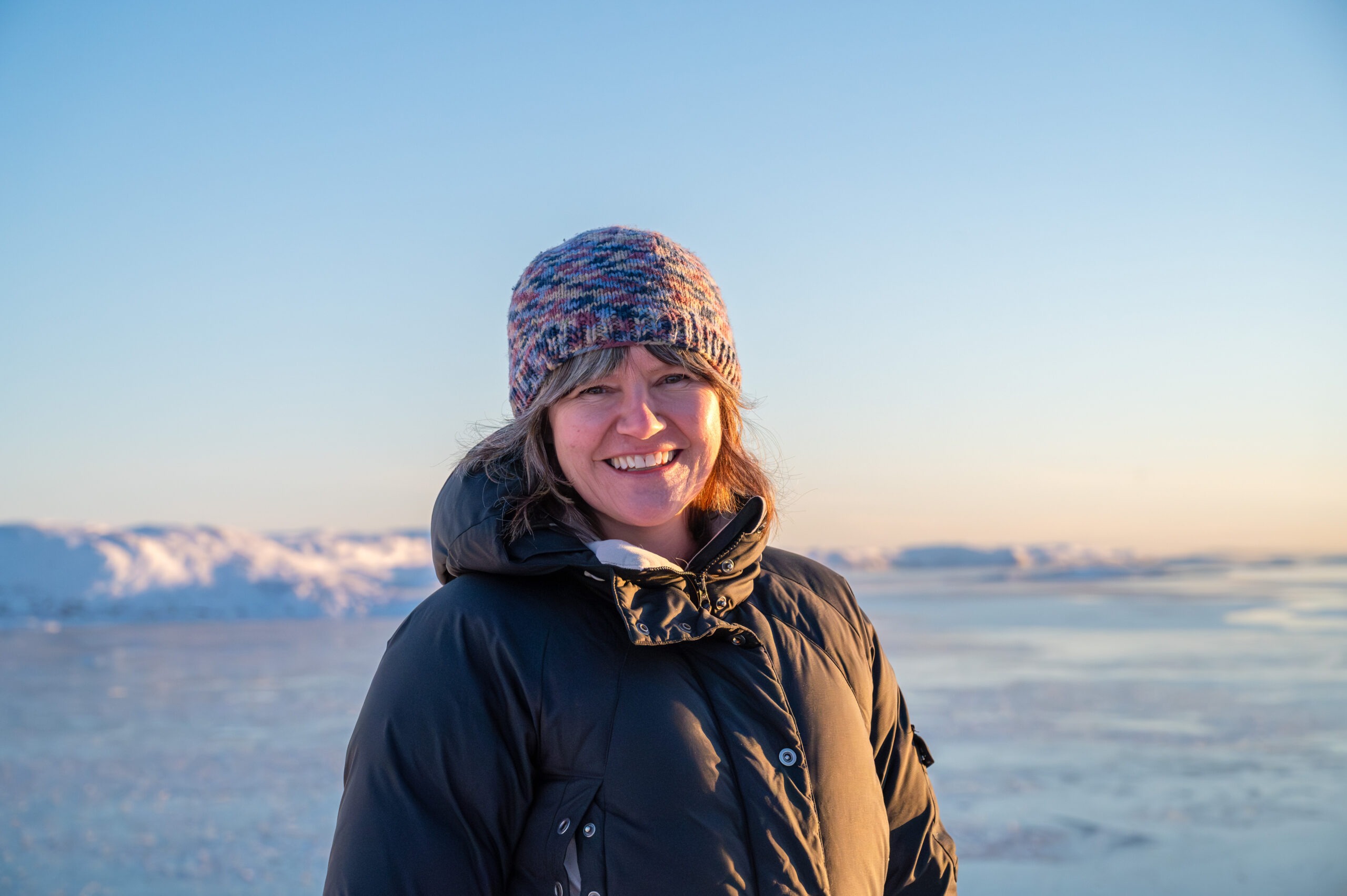
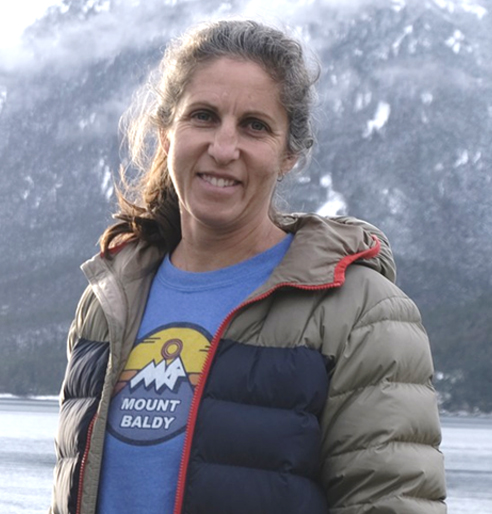
    Karen Saunders, MES, R.P.F.

    Vice President, Wildlife and Industry

    Karen Saunders, MES, R.P.F.

    Vice President, Wildlife and Industry

    Karen relies on her extensive background in natural resources to lead WWF-Canada’s Wildlife and Industry team. The team works to reduce habitat disruptions and impacts on wildlife from industrial activities in the shipping, mining and forestry sectors. Karen has considerable experience in fieldwork, research and analysis, policy, impact assessment and planning, and has spent years learning from and supporting First Nations in northern Ontario. Karen is a Registered Professional Forester in Ontario with an undergraduate degree from Lakehead University and a Master of Environmental Studies from Dalhousie University.

    Devon Earl

    Associate Specialist, Forest Conservation, Wildlife & Industry

    Devon Earl

    Associate Specialist, Forest Conservation, Wildlife & Industry

    Devon supports WWF-Canada’s Wildlife and Industry team with a particular focus on forest conservation. In this role, she works to reduce or eliminate the impacts of the forestry sector on wildlife and their habitats and advance sustainable forest management practices across Canada. Through her work, Devon also supports Indigenous forest conservation priorities and the restoration of forests to help mitigate the dual crises of climate change and biodiversity loss. Devon holds an M.Sc. in Ecology from the University of Calgary and has several years of experience at environmental non-governmental organizations.

view more experts

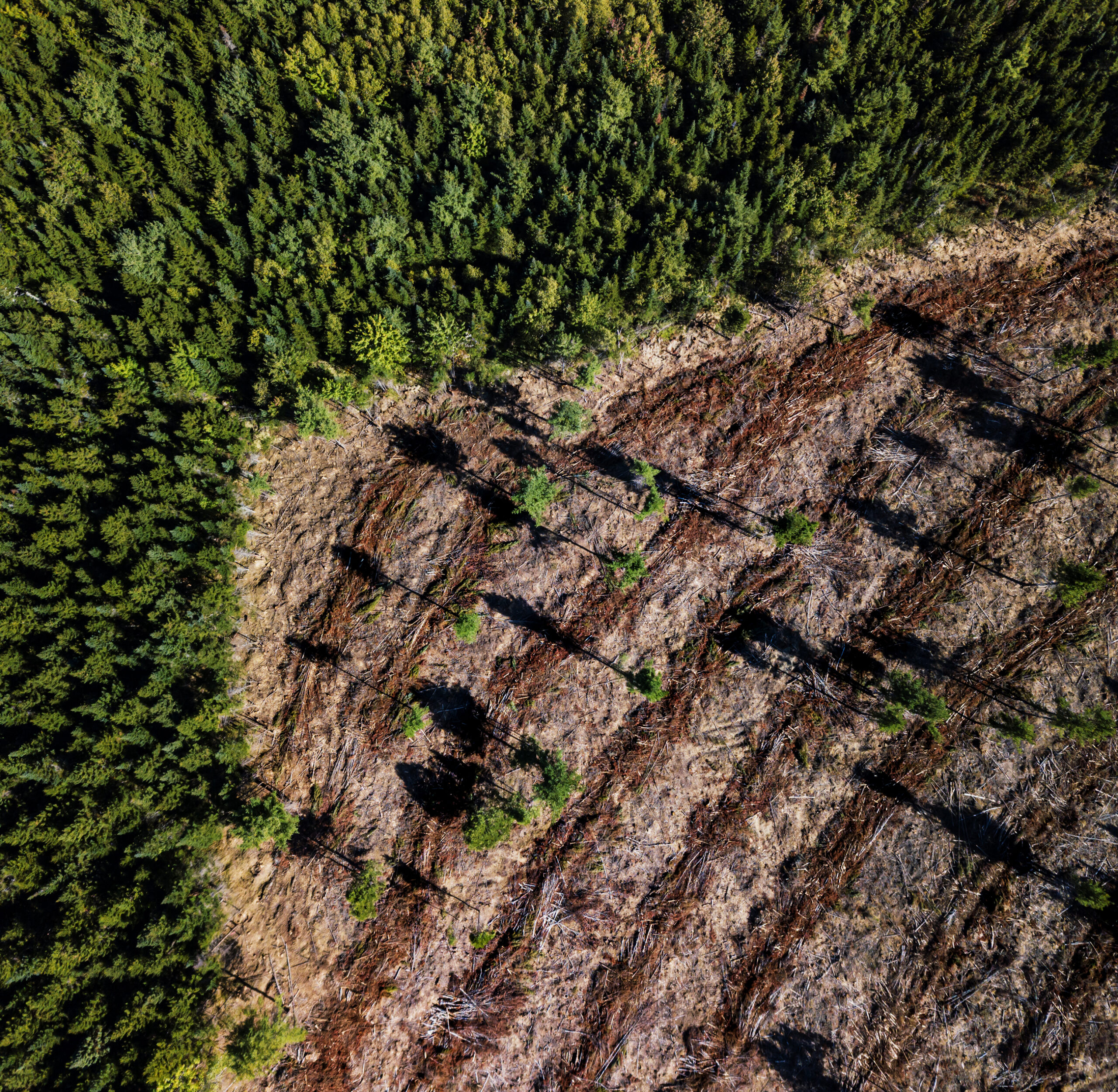
© shaunl / iStock an aerial view of a forest meeting a clearcut

Threats

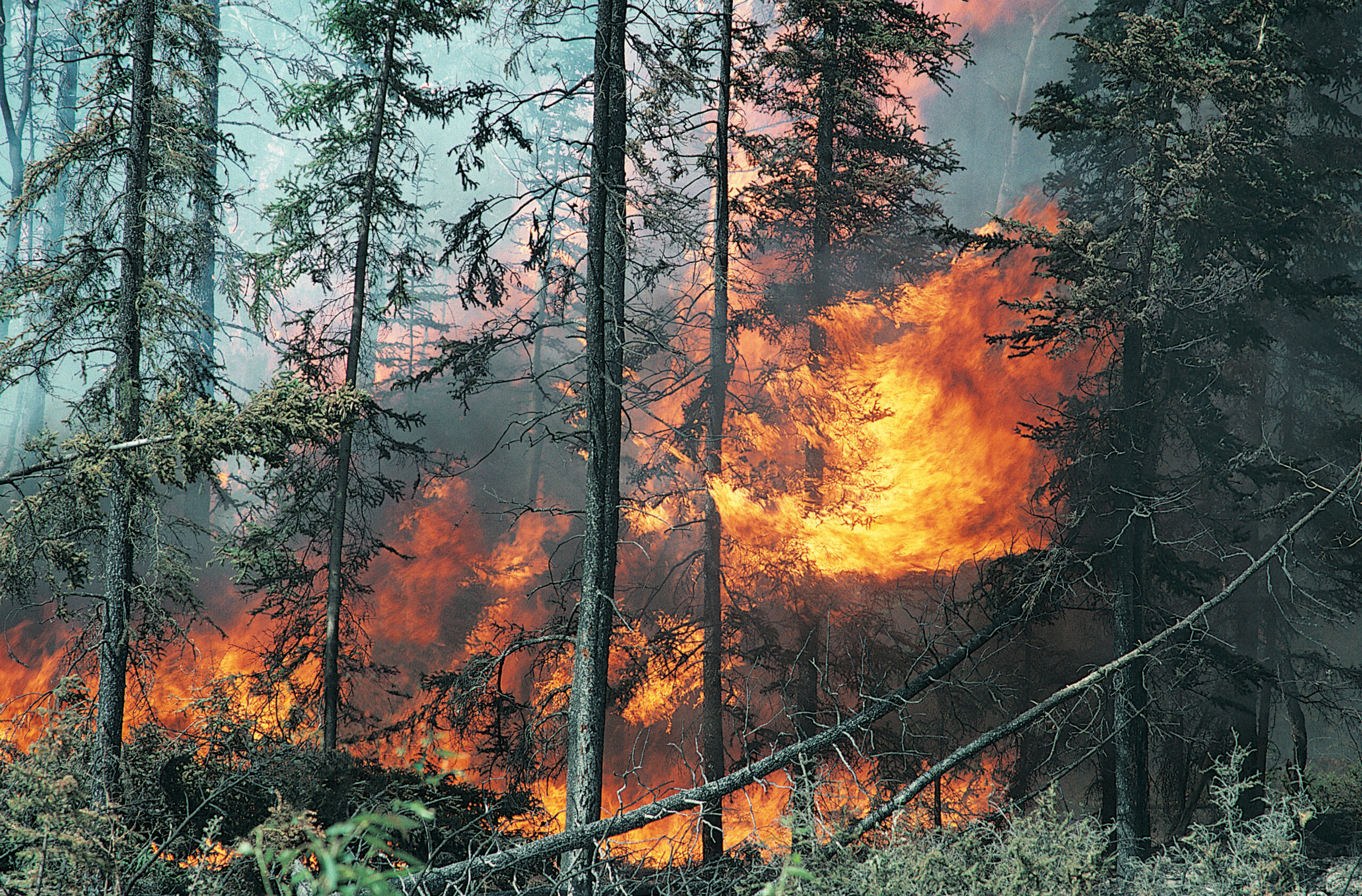
Natural events like forest fires and native insects are normal in Canadian forests and can sometimes even help keep them healthy. But climate change can make these disturbances more severe and widespread.

Human activities add even more pressure. Logging, mining, building roads and trails, expanding communities and introducing invasive species can cause forests to degrade, fragment or become polluted, even changing their structure, from the size and age of trees to the mix of plants that grow there. This can change the forest’s ability to support wildlife, store carbon, filter water and stabilize soil.

Forests are usually resilient to some disturbances, especially natural ones. But when disturbances are too big or pile up over time, ecosystems can reach a tipping point where they can’t recover on their own. To avoid that, we need to manage human impacts carefully and make sure our activities are responsible and sustainable.

What WWF-Canada is Doing

WWF-Canada’s Wildlife and Industry team focuses on reducing or eliminating the impacts of industrial activities on wildlife, habitats and communities, while also promoting the responsible stewardship of forests. This includes increasing our understanding of the threats to forests, mapping areas with the most biodiversity, helping companies source forest products responsibly, and supporting Indigenous-led forest restoration, stewardship and priorities. WWF-Canada’s experts also participate in consultation processes to provide input and guidance to different levels of government.

© Andrew S. Wright/ WWF-Canada

Mapping Primary Forests

Primary forests are areas that have not been majorly impacted by human activities. They are composed of native species and were not planted by humans. WWF-Canada is working to better understand primary forests, their importance for forest stewardship and where they are located.

Learn More
© New Parallel Studios / WWF-Canada

Supporting Indigenous-led Forest Restoration

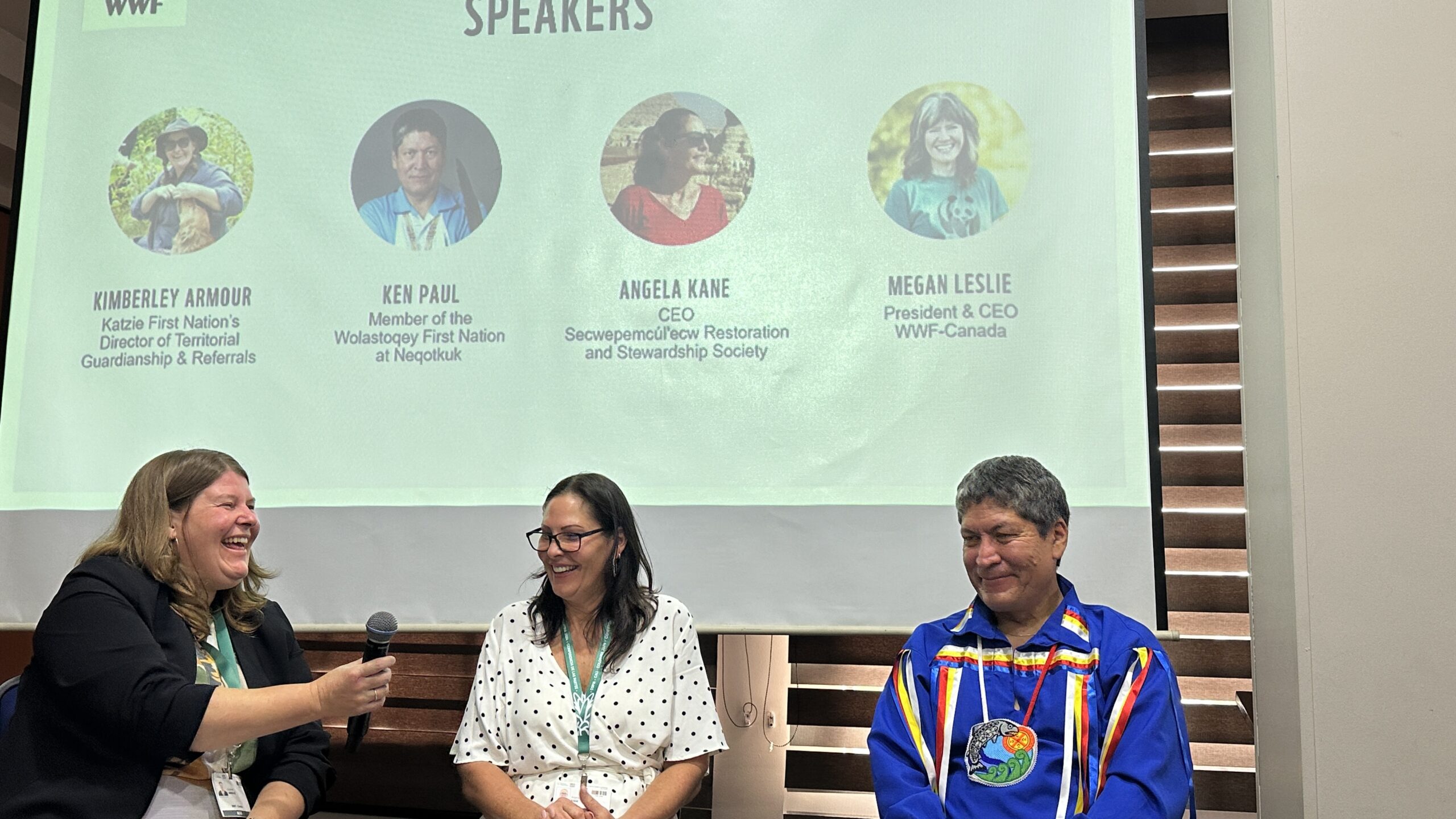
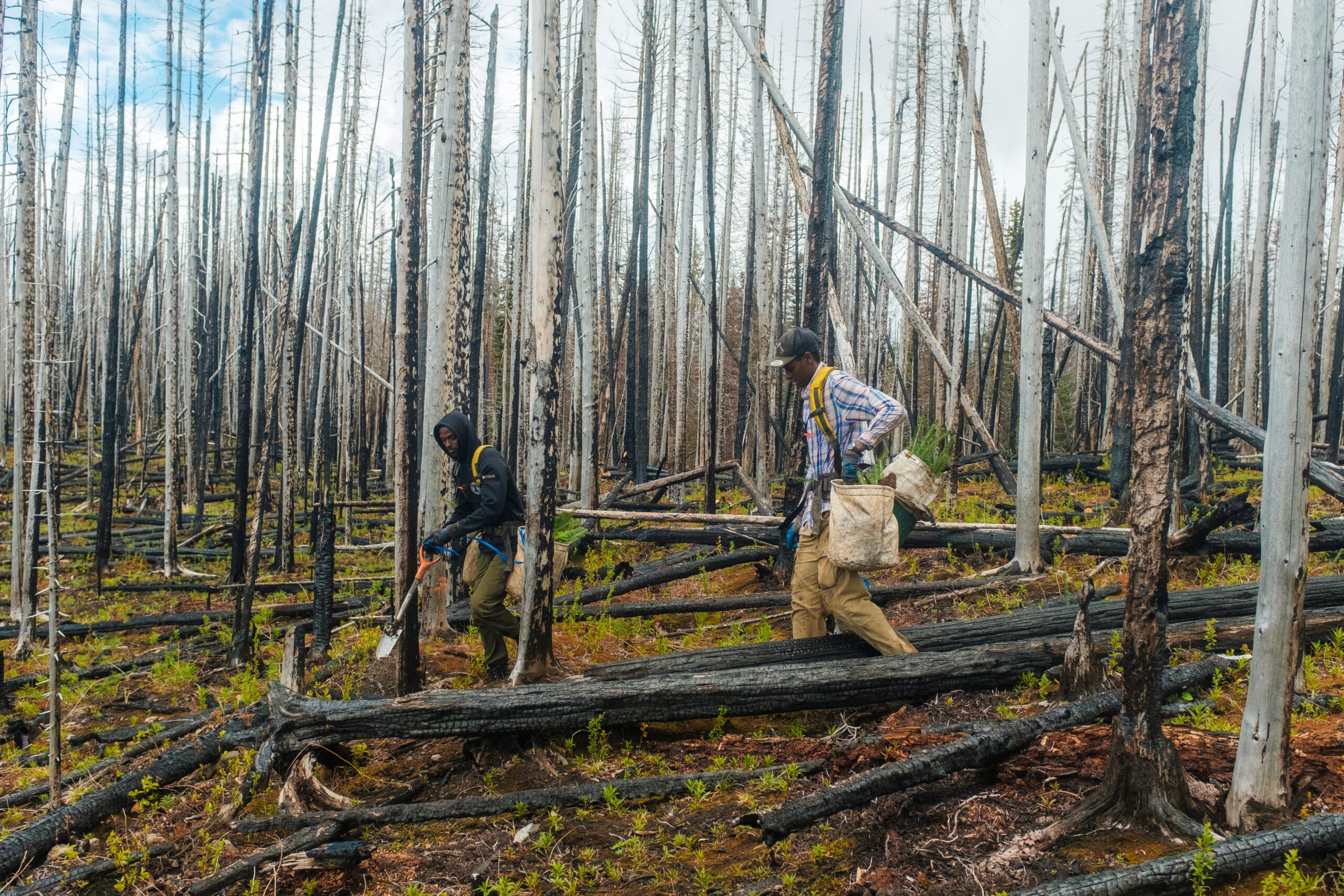
In the aftermath of the devastating 2017 wildfire season in B.C., the Secwepemcúl’ecw Restoration and Stewardship Society (SRSS) was formed to bring back a more balanced ecosystem for people and wildlife through Indigenous-led restoration. Since 2020, SRSS has planted millions of trees with the financial support of WWF-Canada and our funding partners, restoring wildfire-impacted forest ecosystems in traditional Secwépemc territory.

Learn More
© Andrew Coelho / Unsplash landscape of forest

Responsible Sourcing of Forest Products

WWF-Canada is helping companies source forest products responsibly in Canada by creating tools to help them evaluate risks related to forestry supply chains.

LEARN MORE

What You Can Do

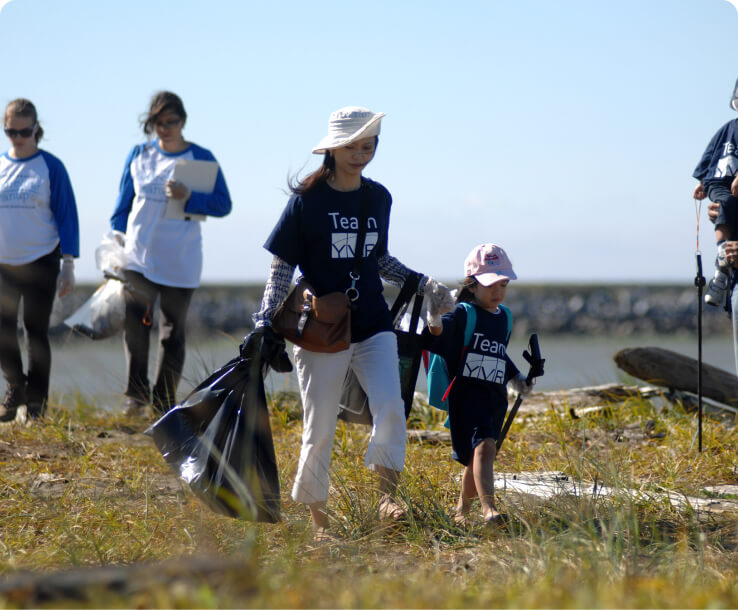
Shoreline Cleanup Participants

Volunteer

Learn more

Adopt a Saw-whet owl

Adopt now