LPRC 2025: ‘The land holds the answers,’ Ellen Firth, Gwich’in Tribal Council
Our 2025 Living Planet Report Canada (LPRC) used 5,099 population records for 910 species to track wildlife loss over time. But ecosystem health can’t be fully captured by a single knowledge system alone, so LPRC 2025 includes Indigenous perspectives from across the country.
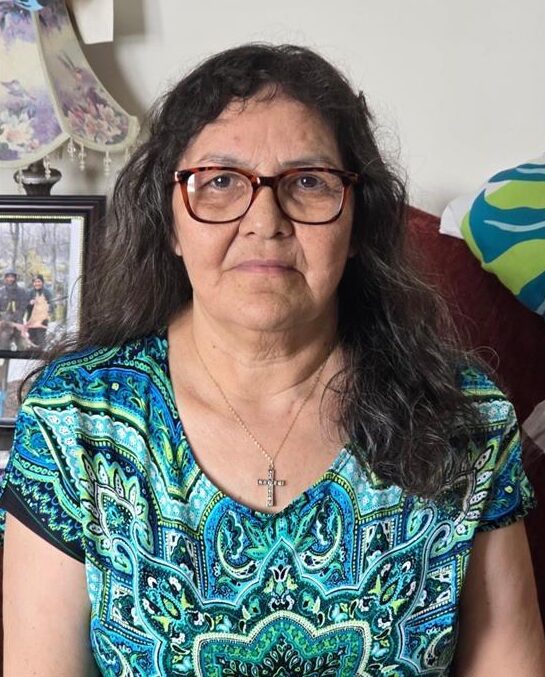
Ellen Firth, a member of the Gwich’in Tribal Council, comes from a big family in Inuvik, in the northwestern corner of the Northwest Territories, where she was raised on the land until she was nine and was forced to come into town to attend residential school.
With a home base in the city, she now spends as much time as she can with her family out on the land at their cabin and hopes to educate the Gwich’in community’s youth on the value of respecting the territory around them.
Here’s what Firth told us about the changes she’s noticing in Gwich’in Territory:
Every time we go fishing now in June and July, it’s getting hotter and hotter. The other day it was 34, and I’m standing in it, gutting fish in the heat and, oh my goodness, it was hot! The number of fish we’re seeing is also changing; you used to have one net and get 60 to 70 fish. Now we have three nets and the other day we got four fish.
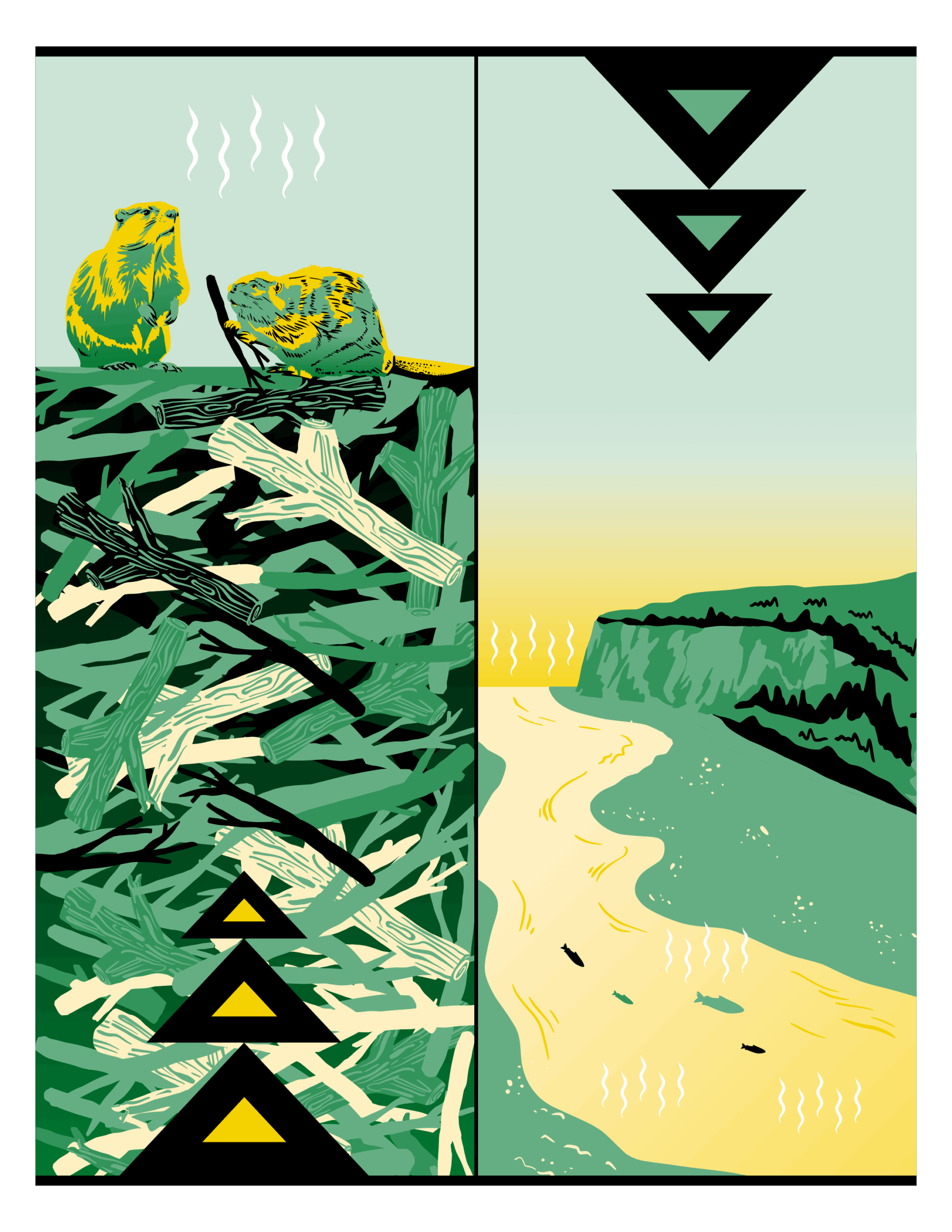
The water is also really low this year, with lots of sandbars, and it’s making the water warm. One of the things we noticed was a lot of beavers damming up all the creeks, so the water is not coming. There has to be another bounty on these beavers — there was one a few years ago, $100 a beaver — that would help keep the population at bay.
The species movements are changing, too. Near Tuktoyaktuk, for a couple years in a row, the whales have been coming into the delta and when they come in, it’s muddy and shallow. A few years ago, they said it was 40 whales, but it looked like a hundred, and it happened again this year.
What happens is the males and the females get killed and the children get confused, lost, and don’t know where to go. So, they come into the delta and their lungs get sick.
You know what’s scary? When people got some of the whales, they’d bring them to Aklavik, cut them up and everybody was told to throw it away — always check the liver and heart, anything with a spot on it, give it to the dogs.
I think it’s our warmer climate and infrastructure changes that are impacting the species and their habitats, causing them to move north and impacting their behaviour.
Living out on the land and learning our traditional ways can help keep our territory healthy
Usually, we go to the cabin in May, come back to town sometime in June, and right from June to about the end of September, I do fishing. A lot of fishing. I raised several of my children out on the land. I have 14 grandkids now, and four of them are eight years old and two have done everything on the land.
Over the years, I’ve mostly been out at the cabin and it’s a good life for us. If we had it our way, we’d live out on the land year-round, but because of my grandchildren in school, we can’t.
I’m hoping to do some work at a school in Aklavik to help teach kids the value of living on the land because when my granddaughter tells them now, they are all interested and ask her lots of questions. They don’t know we have everything out there — TV, skidoos. But the land holds the answers, so that’s what I want to do this year, if they approve it, for kindergarten to grade 12. I think that can make a difference.
Our Living Planet Report Canada 2025 reveals the most severe average wildlife population declines to date. Explore what’s happening in habitats across the country — and how we can halt and reverse wildlife loss before it’s too late.