
Communities want to restore nature, our Catalyst Fund helps that happen
Long blades of eelgrass swaying in shallow waters off the coast of Nova Scotia. An eastern meadowlark’s whistle carrying across a field of flowering native plants in southern Quebec. A Jefferson salamander peeking out from beneath a fallen oak leaf in an Ontario marshland.
These aren’t just idyllic dreams — they’re the result of restoration plans by First Nation governments and local municipalities, college campuses and conservation authorities, and non-profit organizations from coast to coast.
And they’re doing it with the support of WWF-Canada’s Catalyst Fund.
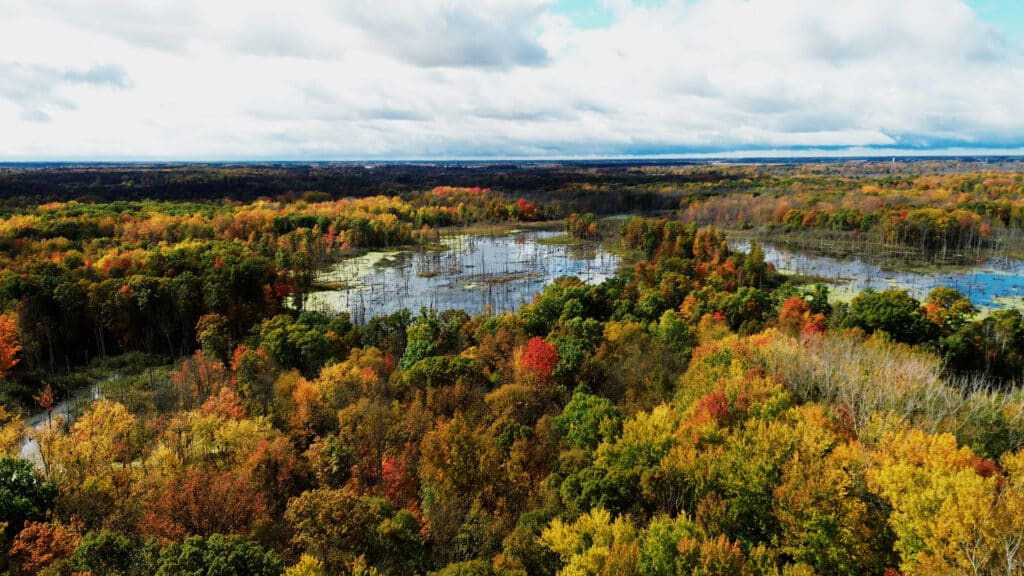
Restored ecosystems equal more — and less fragmented — wildlife habitat with cleaner water and increased access to food. But barriers to large-scale restoration are many, from funding needs and jurisdictional complexity to a lack of capacity to get done what needs to get done.
Sometimes, though, there’s just a small hurdle standing in the way of a community, conservation organization, local government or private landowner.
“There’s a lot of people who want to do this work, but they just need that little something,” noted Elizabeth Hendriks, WWF-Canada’s VP of Restoration and Regeneration, on our Good Nature podcast. “A little bit of funding to understand a land use plan, or to buy native seeds, or to help support volunteers to remove invasive species so that they can plant the plants they do have.”
Launched in 2026, the Catalyst Fund has invested $500,000 across 12 projects, with more than 13,500 hectares expected to benefit from restoration of grasslands, oak forests, eelgrass beds, peatlands, pollinator meadows and more. It turns out that even modest investments can unlock forward momentum for nature.
Ontario
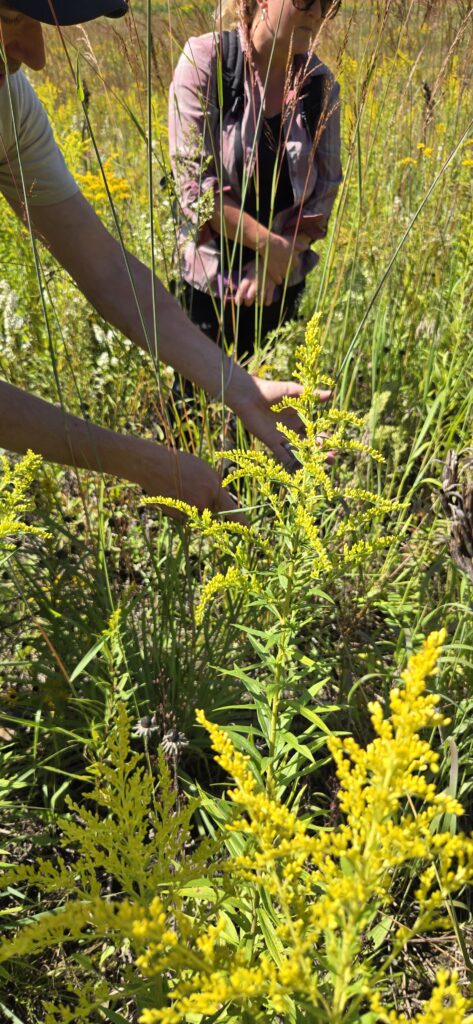
Across Ontario, Catalyst Fund recipients are laying the groundwork for restoration by strengthening seed supplies, building stewardship skills and identifying priority habitats.
Fleming College’s School of Environmental and Natural Resource Sciences in Lindsay, Ont. is building up their seed and plant supply to restore more than 60 hectares of pine-oak barrens that provide habitat for species like the endangered (and pine-loving) Kirtland’s warbler.
Tallgrass Ontario, which focuses on recovering Southern Ontario grasslands, is coordinating landowners, researchers, insurers and prescribed-burn practitioners to help restore species-at-risk habitats across the region.
Mississaugas of Scugog Island First Nation are accelerating grassland and wetland restoration by conducting environmental mapping across more than 800 hectares to determine where these efforts will do the most good.
Chippewas of the Thames First Nation is increasing Indigenous Guardian training opportunities around ecological monitoring, species identification and prescribed burning that combine Traditional Knowledge and Western science. This enhances their ongoing stewardship of the territory’s oak savannah forests, grasslands, peatlands and other wetlands that host rare salamanders, newts, toads, snakes, lizards and turtles.
Atlantic Canada
Along the Atlantic coast, fund recipients are helping to ensure we have the plants, seeds, knowledge and resources needed to bring degraded ecosystems back from the brink.
Eelgrass and kelp create essential habitat for lobster and eel while helping control shoreline erosion and water quality, but they’re declining. The Community Eelgrass Restoration Initiative is helping increase supply with a first-of-its-kind Nova Scotia nursery to grow more of these ecologically significant plants for future coastal restoration.
A scarcity of genetically diverse and locally adapted native seeds is similarly slowing large-scale terrestrial efforts, so Nature Trust of New Brunswick is collecting, processing and banking seeds for bur oak, ash, eastern hemlock, butternut and other trees. These will be used by other restoration organizations, plant nurseries, watershed conservation groups and Indigenous partners to accelerate their own projects.
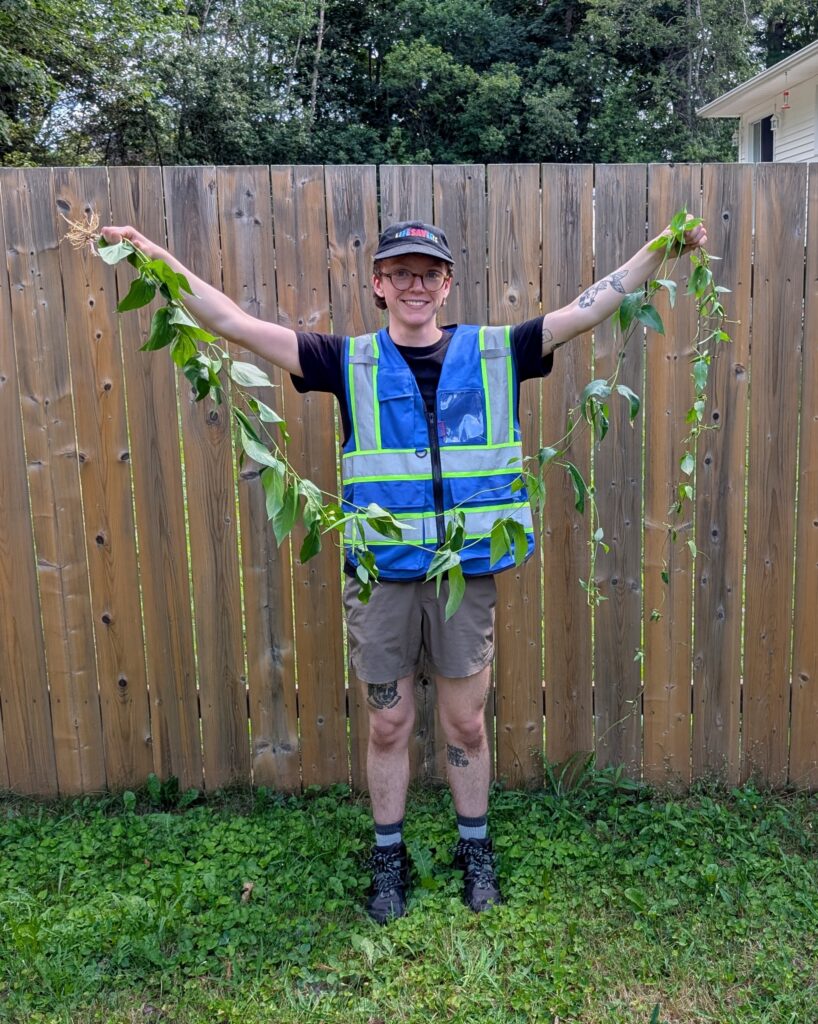
Sometimes there’s too much of something. The Nova Scotia Invasive Species Council is coordinating the removal of invasive dog-strangling vine before it causes more ecological damage in Kentville and Dartmouth, the province’s only known populations. This prevents further spread while making more space for native plants like milkweed that support monarch butterflies.
Meanwhile, Nature NB is busy connecting all these dots by hosting in-person workshops that bring restoration practitioners together to share knowledge and tackle funding, capacity, training and native seed and plant supply barriers.
Quebec
Fund recipients in Quebec are scaling up from individual sites to entire landscapes, helping communities figure out where restoration action can deliver the greatest biodiversity benefits.
Ville de Terrebonne, just north of Montreal, is purchasing native plants and preparing the soil to restore a 20-hectare pollinator meadow and remove fast-spreading species like the common buckthorn.
Nature-Action Quebec is helping 37 Regional County Municipalities identify and document sites in southern Quebec that could benefit from wetland restoration. This will assist local governments in locating opportunities, reducing barriers and accessing future provincial funding.
Saskatchewan
Meewasin Valley Authority is charting a conservation course for a significant river corridor where native prairie, woodlands and wetlands intersect with the South Saskatchewan River, home to hundreds of wildlife species. Their 10-year restoration roadmap will move beyond individual tree, shrub and wildflower planting projects toward larger, more connected efforts that strengthen ecological resilience across the valley.
B.C.
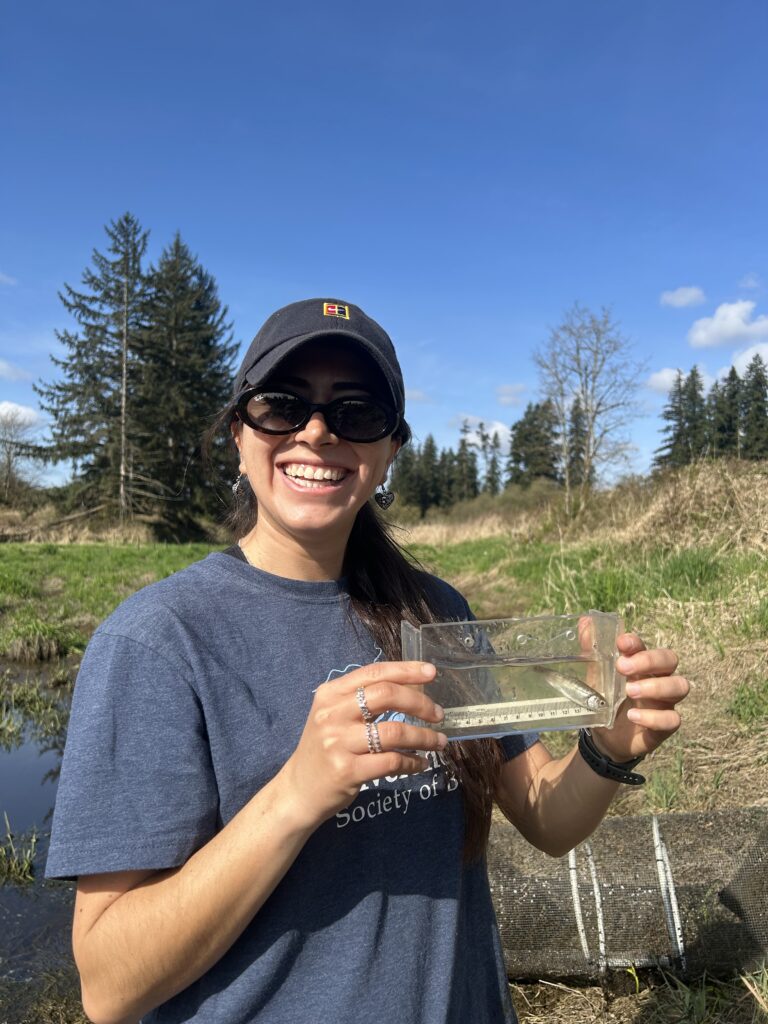
Rivershed Society of BC is working with First Nations, landholders and conservation organizations to restore tributaries across the Fraser River watershed — from Metro Vancouver and the Fraser Valley in the southwest to the province’s geographical centre in the Nechako region — that support native species and Indigenous cultural food systems (which includes hunting, fishing, gathering food and medicinal plants, and traditional knowledge, language and stewardship practices).
Our grant is being used for relationship-building and securing permits, permissions and additional funding to advance their broader Foodlands Corridor Restoration Program.
Growing a restoration movement
Our fund has not only catalyzed restoration projects but also a community of people committed to work because, as Liz Hendriks says, “This is about showing the movement of effort — about bringing together large-scale restoration efforts and also demonstrating that it’s happening.”
Just as restoration can start with something small — a seed, map, workshop or local partnership — the Catalyst Fund converts small steps into sustained action, helping to make restoration dreams a reality.