Here’s what it will take to halt and reverse five decades of wildlife loss
You might see a peregrine falcon no matter where in Canada you find yourself. They dive amid skyscrapers in big cities like Toronto, swoop along the coastal beaches of B.C., and even fly as far north as Rankin Inlet, Nunavut, on the northwestern edge of Hudson Bay.
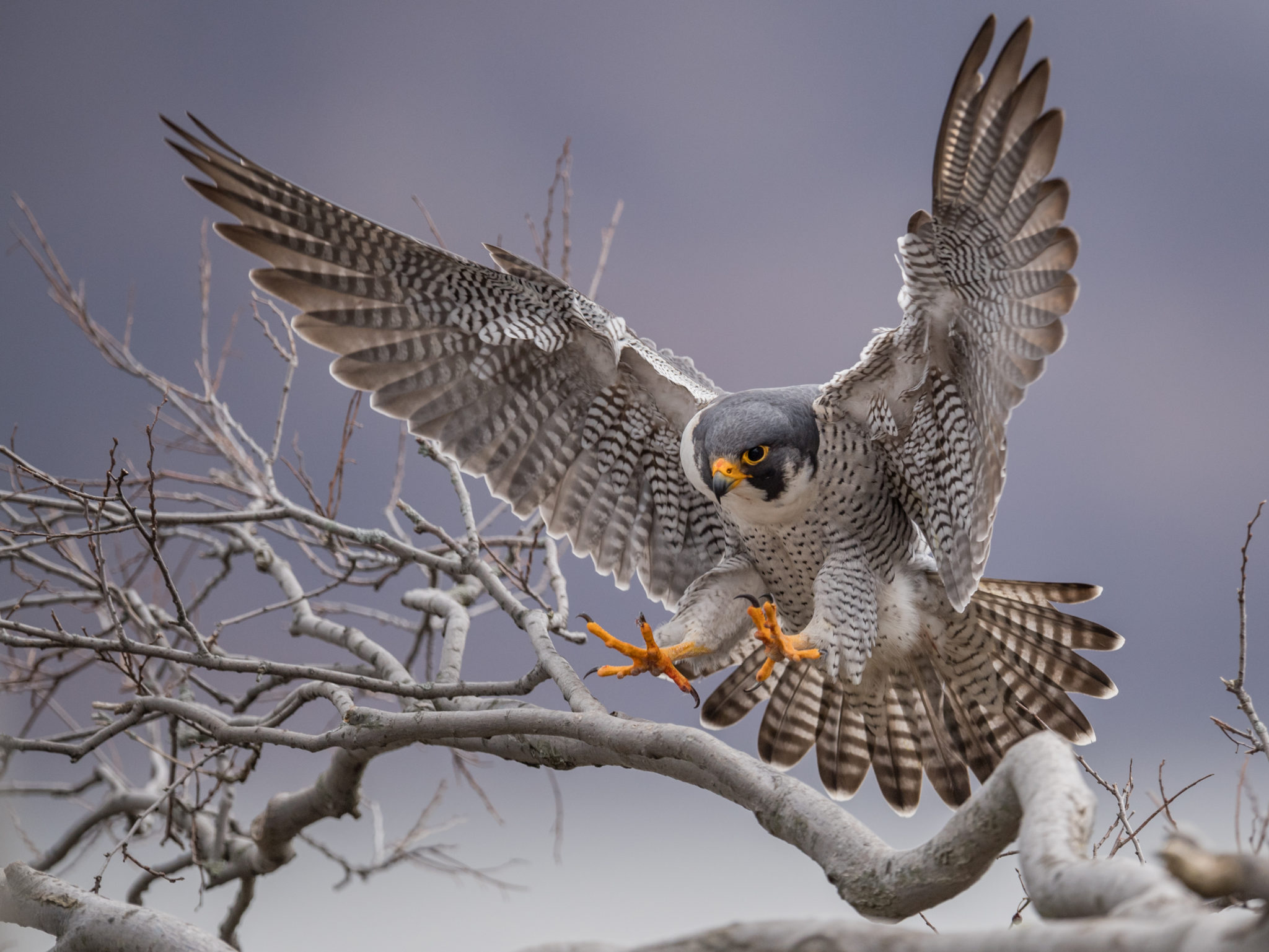
But this wasn’t always the case, at least not in recent memory.
Beginning in the 1950s, these raptors were pushed to the edge of extinction by the use of the deadly pesticide DDT.
Concentrations accumulated as they went up the food chain and were so strong by the time they reached these birds of prey that it thinned their eggshells to the point of population collapse.
Once scientists determined what was causing the peregrine’s precipitous decline — and once governments got on board to support concentrated conservation actions — it was a combination of a complete DDT ban and captive breeding programs that brought these beautiful birds back from the brink.
Today, peregrine falcons number in the tens of thousands throughout their range. This conservation success story is an important reminder that there are solutions to prevent species extinctions.
We just have to act on them.
Decades of decline
Our latest Living Planet Report Canada (LPRC 2025) found that, since 1970, monitored wildlife populations in Canada have fallen an average of 10 per cent. Every species group (birds, fish, mammals, and reptiles and amphibians) is trending in the wrong direction. Long-endangered species, such as woodland caribou, burrowing owls and southern resident killer whales, are still failing to recover.
Meanwhile, provincial governments across Canada are prioritizing rapid development by weakening regulations meant to protect nature and species at risk, as is the federal government, which was already off track to reaching its protection and restoration commitments.
To reverse the persistent declines we’re seeing, we need to do more. While these numbers may be stark, thankfully we already know what works.
Conservation’s tried and true: Protection and restoration
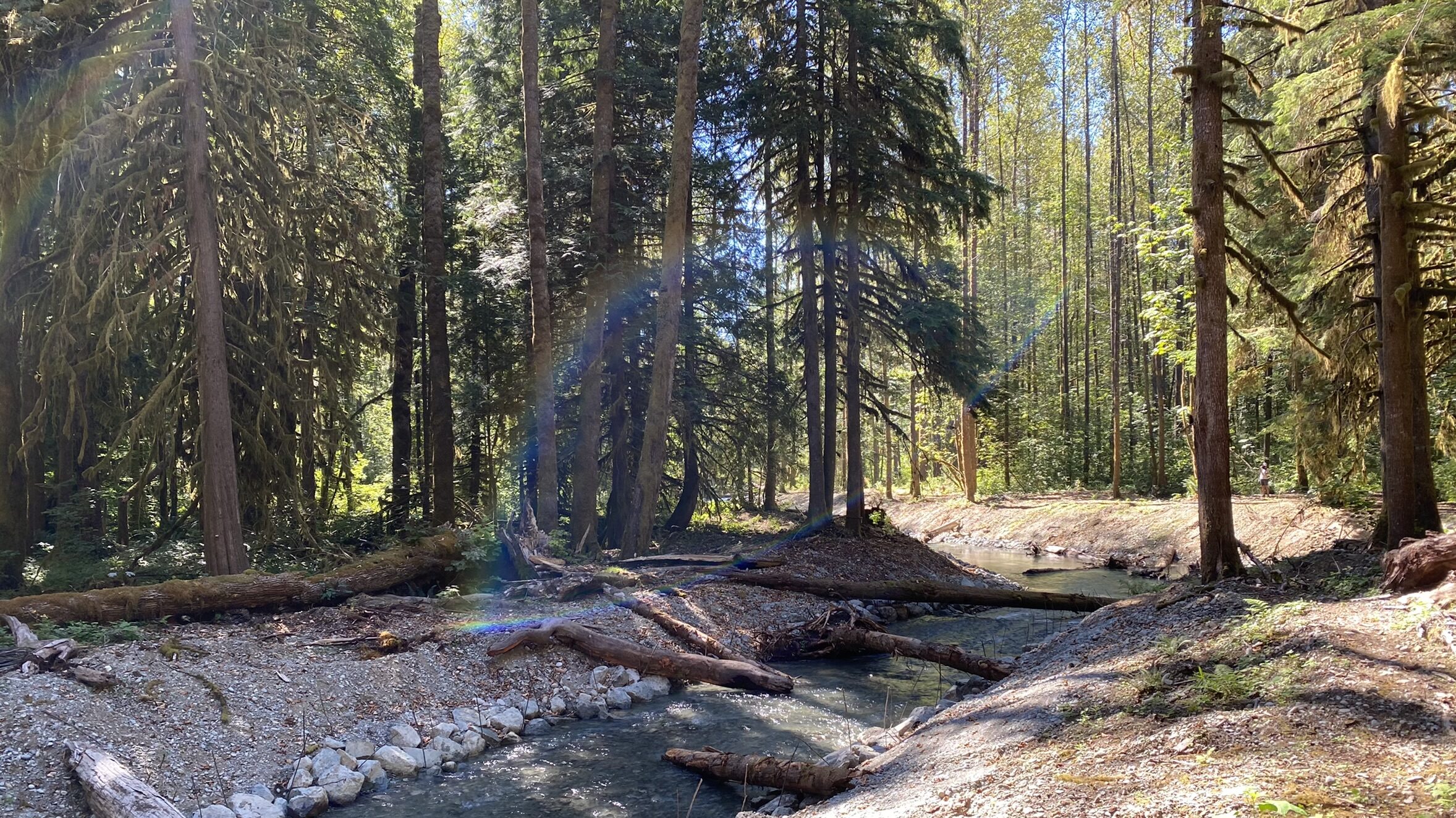
At COP15, the UN’s biodiversity summit in Montreal a few years back, Canada helped set the Global Biodiversity Framework, which requires every signatory country to protect 30 per cent of their lands and waters and restore 30 per cent of its degraded areas by 2030.
With four years to go, we’re only about halfway to our protection targets — despite efforts dating back decades — and next to nowhere on restoration. Accelerating protected-area establishment and ramping up restoration funding to create healthier habitats is a surefire way to help wildlife populations rebound.
The tricky part: Balancing growth and conservation
The environment and the economy are often painted as opposing forces, but the two are interconnected — rampant development can harm nature, yet healthy ecosystems are key to our economy.
Canada can and must balance economic growth with increased conservation, upholding environmental safeguards, respecting Indigenous rights and integrating nature impacts into decision-making as we improve our infrastructure, develop our resources and diversify our trading partners.
Knowing is half the battle: Monitoring progress
Our Canadian Living Planet Index uses one of the best data sets on vertebrate abundance at a national level. Even so, we still don’t know enough about roughly half of the country’s vertebrate species.
Creating a national monitoring framework and investing in related technology could also help measure the effectiveness of conservation action, providing crucial insights on what we can do better to combat this crisis of wildlife loss.
So now that we know what the solutions are in theory, how does this all look in practice?
Well, it means actions like creating Indigenous Protected and Conserved Areas, identifying priority areas for protection and restoration, slowing ships and avoiding certain shipping routes when whales are on the move, or keeping resource extraction far from critical habitats like calving grounds of barren-ground caribou.
The thing about trends is that they can go in both directions. The future of wildlife in Canada hangs on the balance we create today between protecting biodiversity and advancing prosperity. But the clock is ticking.
Let’s start acting.