
‘I like taking care of nature’: students get hands-on experience with Go Wild Grants
Some school projects last only as long as it takes to mark the assignment, finish the presentation or wrap-up the science fair before being consigned to a recycling bin or a parent’s dusty basement. Others live on outside and will help sustain birds, bees and butterflies for years to come. While students and educators celebrate their well-earned summer break, we’re celebrating their Go Wild Grant-supported projects that continue bursting with life long after that final bell.
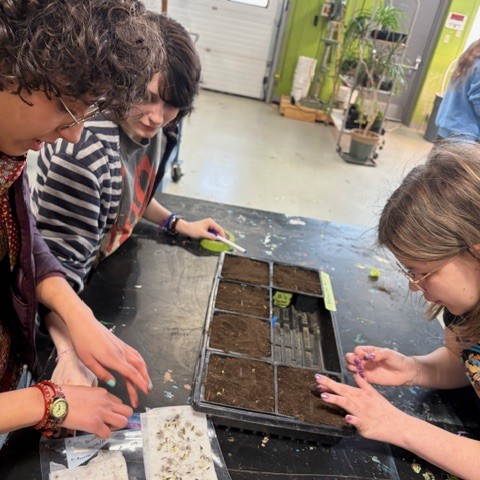
WWF-Canada’s Go Wild Grants fund on-the-ground student activities to protect and restore nature — opportunities for youth to learn about their local ecosystems, deepen their connection to nature, and develop hands-on skills like planning, leadership and teamwork. Since 2015, WWF-Canada has funded 513 Go Wild school projects, awarding a total of $404,803.
The projects funded during the 2025-26 school year ranged from restored patches of prairie and pollinator havens to living outdoor classrooms for learning about nature and culture. Here are a few powerful examples achieved by primary and secondary schools.
Wellington Secondary School in Nanaimo, BC worked with Coast Salish Elders to create a courtyard garden and outdoor Indigenous learning space, including berry-producing native shrubs like salmonberry and salal to provide food for students.
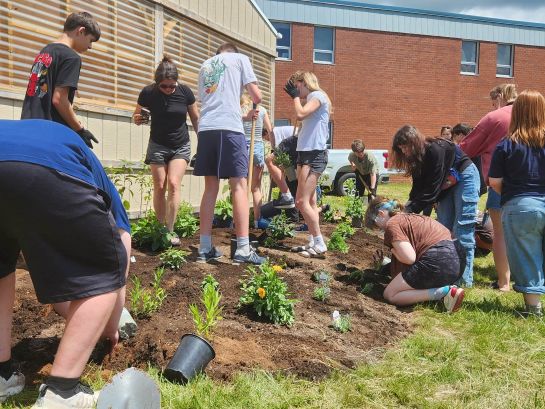
Xw’epiteng Elementary School in Surrey, BC worked with Semiahmoo First Nation to create a community garden.
“I like that we get to be outside taking care of the garden,” said grade 5 student Ciara. “I like being caretakers by watering, nursing the plants and learning about their shade needs. I like taking care of nature.”
Central Memorial High School in Calgary, AB helped to increase the local supply of native prairie plants by creating a garden where they will produce, harvest and share seeds. They shared their project with other schools at the Conservation Champions Festival hosted by the Wilder Institute.
Grade 7 and 8 students at Sussex Middle School in Sussex, NB created a pollinator garden by planting milkweed to help monarch butterflies, Joe-Pye weed, turtlehead and more. They will use the garden as a space for learning about pollinators, native plants and conservation.
Rockwood Public School in Pembroke, ON replaced a grass field with native flowers that bloom in spring, summer and fall to provide food for pollinators like monarch and black swallowtail butterflies throughout the seasons. As plants mature, students will collect seeds and use them to grow more plants at home.
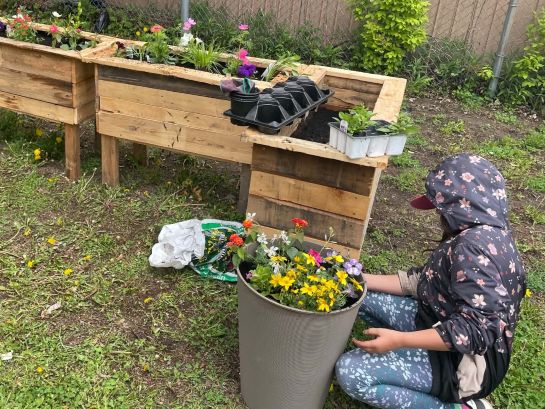
Students at École primaire Sainte-Marthe Cuillierrier in Sainte-Marthe, QC planted two gardens with species including native milkweed and goldenrod to help pollinators such as the monarch and yellow-banded bumble bee. In the process, they learned how different species interact with each other and the importance of protecting nature.
St. Catherine’s Elementary School in Halifax, NS got the whole school involved in expanding their wildlife garden in consultation with local Mi’kmaq Elders and Knowledge Keepers, and learned how specific native plant species support local wildlife. Each classroom completed its own project, incorporating features like nesting materials for birds and shelter for bees into the garden.
Mount Stewart Consolidated School in Mount Stewart, PEI planted native species like Joe-Pye weed and blue vervain that are food and shelter for wildlife. Later, students will harvest and share seeds to help more habitat grow.
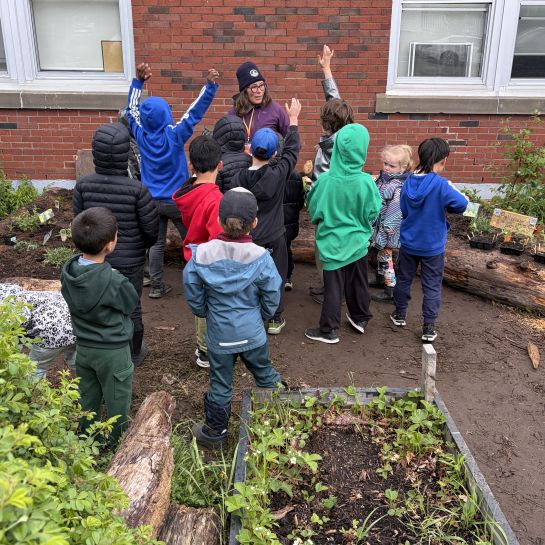
“This is a tremendous opportunity for our small school to receive such a significant grant that will not only provide our students and staff with beautiful flowers to look at, but seeds to share with the community to spread these native plants,” said teacher Matt Cox.
To all of our Go Wild grantees, thanks for helping wildlife this year — we hope you had fun doing it!
WWF-Canada’s Go Wild Grants program is in partnership with The Barrett Family Foundation.