LPRC 2025: ‘Our new generation will probably never know what a wild salmon looks like,’ Ross Hinks, Miawpukek First Nation
Our 2025 Living Planet Report Canada (LPRC) used 5,099 population records for 910 species to track wildlife loss over time. But ecosystem health can’t be fully captured by a single knowledge system alone, so LPRC 2025 includes Indigenous perspectives from across the country.
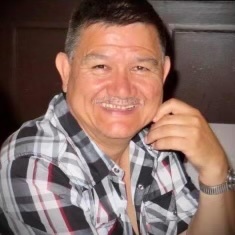
Ross Hinks, a Miawpukek First Nation band member, has spent most of his life living in Miawpukek Mi’kamawey Mawi’omi, a small Mi’kmaq community in Conne River, Nfld. Hinks grew up fishing on the river with his father — their livelihood depended on what they could get from the land and sea. He worked for the Nation for roughly 45 years, including serving as director of natural resources, where he advocated for Miawpukek’s involvement in development projects.
A Mi’kmaq man, Hinks holds vast knowledge of the land and the species that occupy it. He’s spent his life accumulating knowledge and beliefs about the relationships between the species in his region and how to respectfully coexist with them. This knowledge has been passed down from generation to generation and is built on thousands of people’s direct contact with the environment.
Here’s what Hinks told us about the changes he’s noticing in Miawpukek, and what needs to be done to ensure species stability.
I’ve been on this earth for 62 years now and, during that short period of time, I certainly have seen dramatic changes — and a lot is because of development.
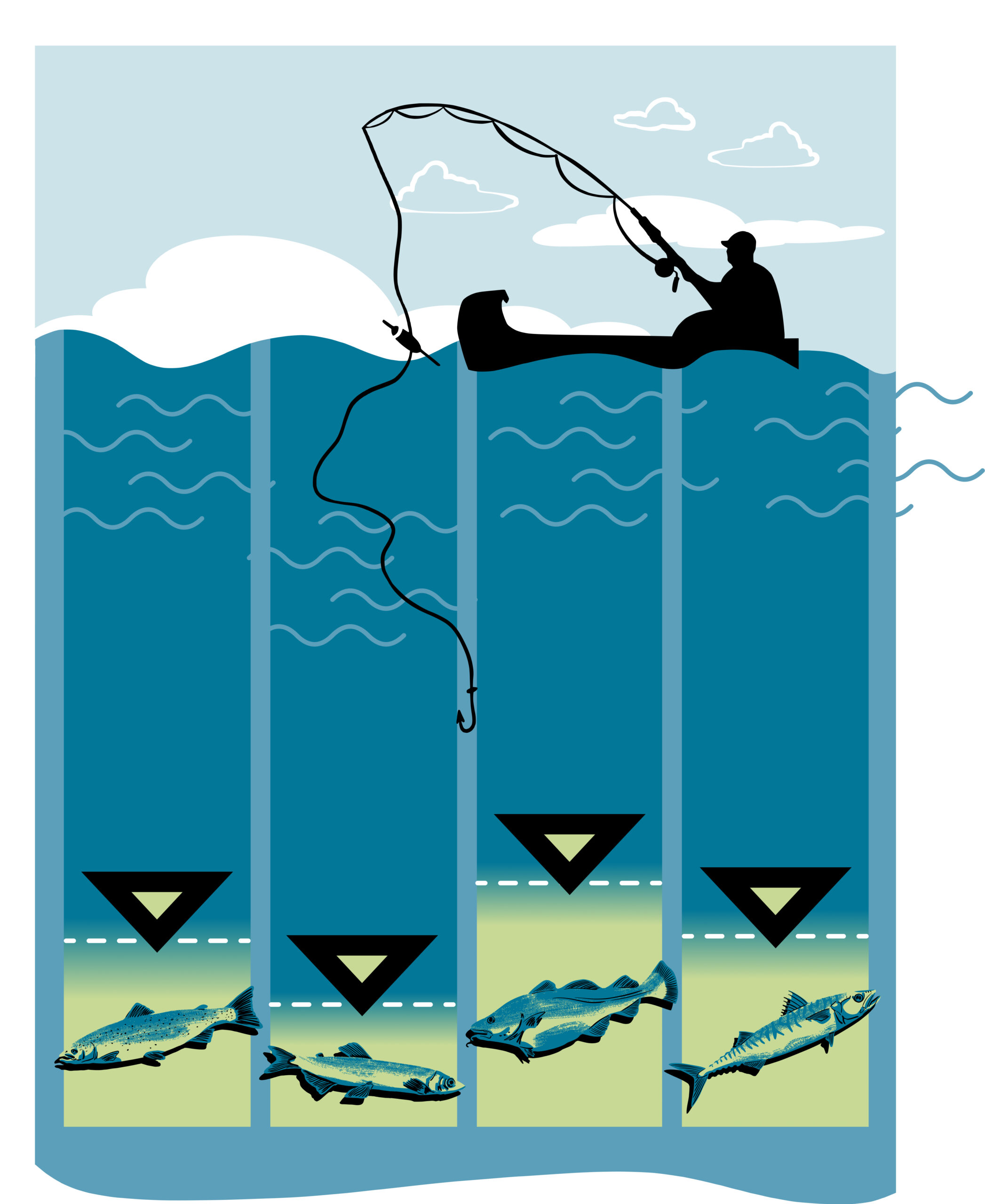
The fish in our area have been in decline over the last 30 years. We used to be able to catch capelin right below my house, catch cod anywhere in the bay, mackerel, all of that. Now there’s nothing coming near us. The salmon have dropped off since industry came in and we’re very concerned that the stock will get on the endangered list if nothing is done. Right now, we have to travel far out to sea in order to get any type of fish.
We have a few other species at risk in our area, the American marten and the boreal felt lichen, so we’re concerned.
Decline in species is a loss of livelihood
Loss of species is a loss of tradition, loss of livelihood, loss of everything we stand for. I’m not a religious man, but it’s like going to church. It gives you that feeling, you’re out there on the land where your ancestors have always been.
Being out there is learning why the community came about — because of this location, near the river, a fjord that was teeming with fish, that’s why we came here. And now, basically that is gone; our livelihood, as we exercised it back then, is basically gone.
Our new generation will probably never know what a wild salmon looks like. The only one they’ll probably see is in a grocery store, not in our rivers.
Our community knows the species trend, and that’s monitoring
About 15 years ago, I was fishing up the Conne River next to an Elder, and he said, “Ross, this river is dead.” Up until that point, I was thinking it was in a bit of a state but he saw an even bigger picture — how much it was depleted. And it’s just been continually following that trend.
We have Elders everywhere and it isn’t “monitoring” in a formalized manner, but it’s recognized. We’re told to talk to Elders about what it was like back then. It might not be numerical data, but they know the trends and what’s happening to the species we depend on.
So, it’s monitoring as far as I’m concerned, but certainly not monitoring as far as Western science is concerned, I suppose.
We need co-management from the beginning
In addition to funding and training, we need to be at the table with the government and other agencies from the get-go for resource extraction projects, and we need to be compensated for providing input. It needs to be easier to incorporate the knowledge that our Elders have.
We need total access in co-managing the resource itself. We’ve developed a consultation protocol when it comes to industry development and that needs to be listened to. We need people that can get behind us and rebut or interpret what people are saying — sometimes it’s not made for a layperson, it’s for the people that work in the industry.
We need all of that to ensure more healthy wildlife populations, and we need our voices heard. We can’t just be there for someone to put a check in the box.
Our Living Planet Report Canada 2025 reveals the most severe average wildlife population declines to date. Explore what’s happening in habitats across the country — and how we can halt and reverse wildlife loss before it’s too late.