How Kitigan Zibi Anishinābeg are using traditional knowledge and science to protect their territory
“We live together with the land, not on the land. We don’t control [it] — we’re part of it.” – Jonathan Cote, Land Guardian, Kitigan Zibi Anishinābeg
For members of Kitigan Zibi Anishinābeg, or KZA, the largest Algonquin community in Canada, nature is no mere backdrop to daily life. It’s a deep and enduring connection that has shaped their cultural identity for centuries and underpins their approach to conservation and land use to this day.
And with their traditional territory stretching across the Outaouais and Laurentian regions of Quebec as well as parts of Ontario, there’s a lot of nature to look after. So, how do you identify which lands and waters to protect?
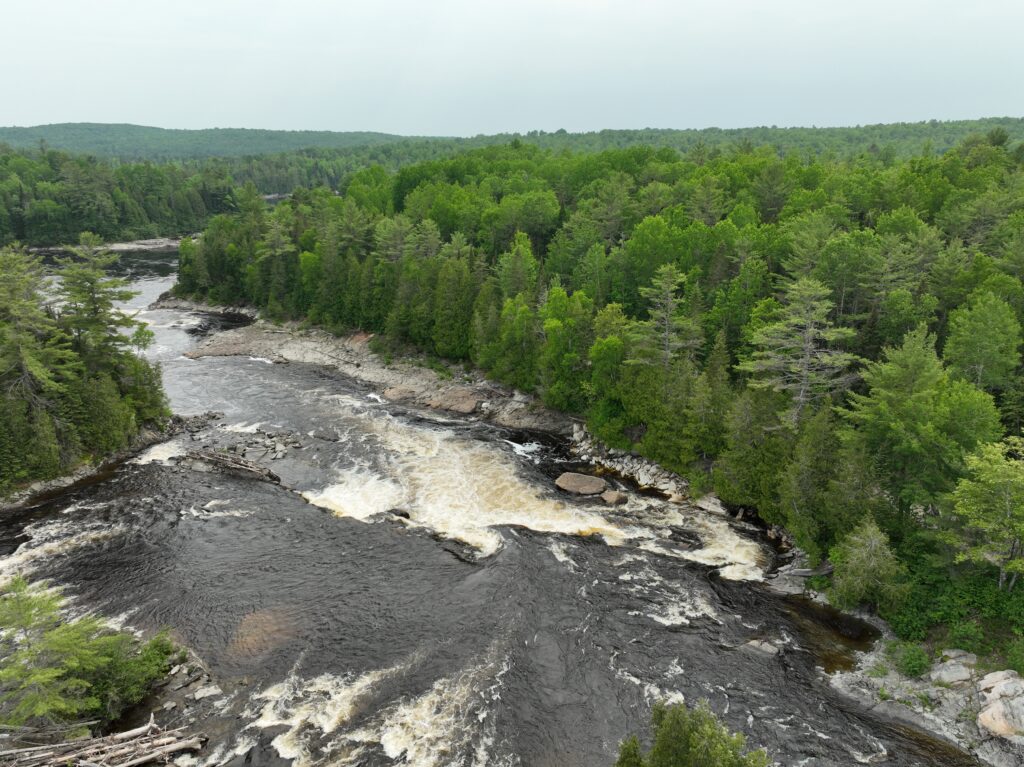
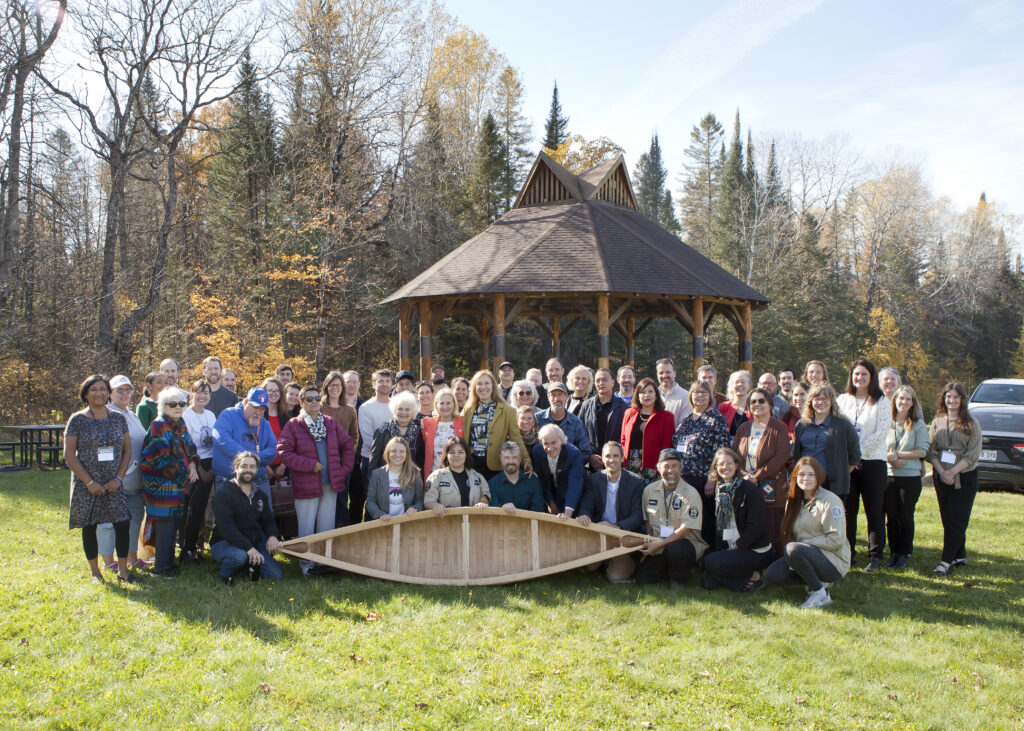
Through an initiative called Kidjīmāninān — “our canoe” in Anishinabemowin — KZA uses both traditional knowledge and scientific research to guide their planning for an Indigenous Protected and Conserved Area, or IPCA. These are areas defined and managed by Indigenous communities, located on Indigenous territories and stewarded through Indigenous laws and knowledge systems.
“When we see where science and culture overlap, the spots that need protection just stand out,” says Erik Higgins, manager of KZA’s Natural Resources and Wildlife Office. “The full picture of the territory comes into focus, showing us exactly where our efforts can make the biggest difference.”
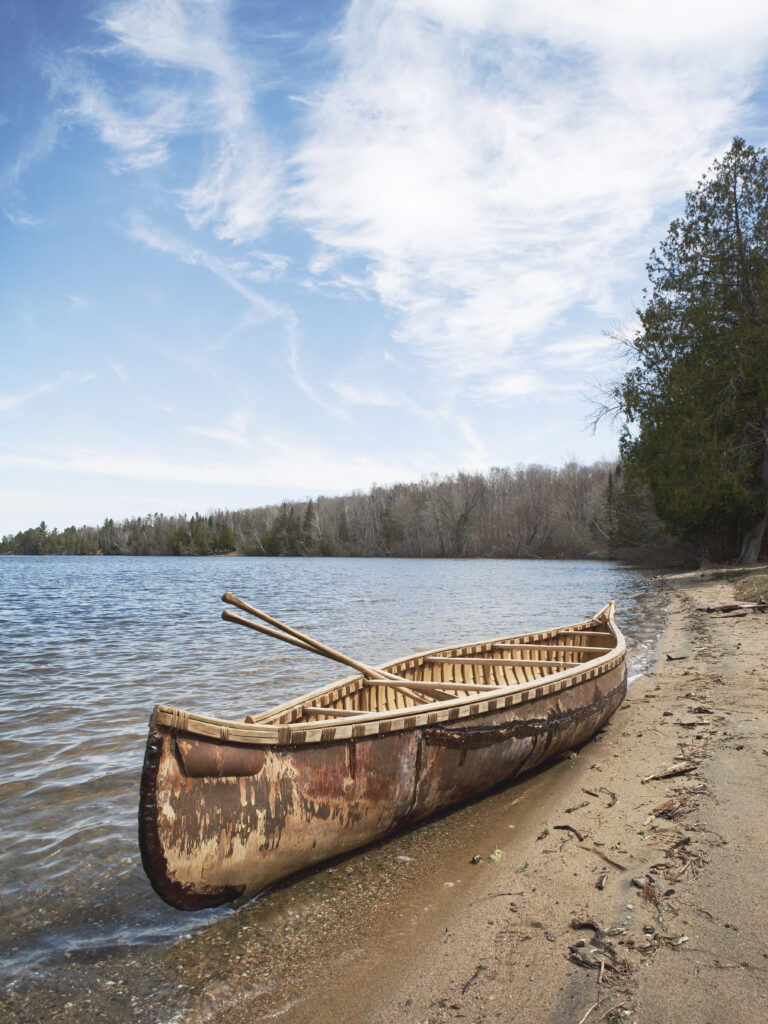
KZA has been using science to detect carbon sinks, wildlife corridors and biodiversity hotspots while community members locate areas important for traditional activities, honouring the knowledge and experience passed down through generations.
But even with priority forests, wetlands and other ecosystems identified, they still face logistical challenges. Because KZA’s unceded territory is heavily urbanized, the task of protecting a large, continuous area has proven difficult, so they’re instead working to create a network of smaller protected areas.
“Our goal is that KZA is able to state what activities are possible in those zones,” Higgins says. “Having a leadership role in the governance of the protected area network.”
Achieving this has meant working closely with municipalities and non-Indigenous organizations, including WWF-Canada through its IPCA Support Fund, to expand their network and get people on board. “Every time you do that, you tend to open doors to other opportunities, whether it’s other projects or funding support,” adds Higgins.
This spirit of collaboration is what Kidjīmāninān is all about. Remember how the word means “canoe”? That’s because, as the initiative’s webpage says, “we go further when we paddle together.” Real change, it adds, the kind that lasts for generations, that comes from “sharing knowledge, respecting the land, and working in partnership.”
At Kidjīmāninān’s October 2024 launch, KZA councillor Anita Tenasco emphasized that the effort is not just about protecting land: “We need to think of our children, abinōdjīnjishag, youth, weshkinīgidjig, the people in our communities — that’s why we’re here together in this circle.”
Kidjīmāninān has since extensively surveyed the territory for species at risk — wildlife like the pickerel frog and eastern whip-poor-will, as well as rock elm and American ginseng — submitted nine new protected areas covering roughly 74,000 hectares to the Quebec government and built enthusiasm for biodiversity protection and restoration. But for KZA’s proposed IPCA network to become a reality, maintaining this momentum is critical.
“We have the funding deadlines and the global deadline of 2030,” says Higgins, since IPCAs are key to Canada meeting its international commitment to protect 30 per cent of the country’s lands and water by that year. “But if we look internally, there’s just an urgency to protect the biodiversity because it’s been neglected for quite some time. It’s time to take it more seriously.”
If successful, KZA’s IPCA will set a powerful example of Indigenous-led conservation, one rooted in traditional knowledge and science, deep respect for nature, and commitment to collaboration and to future generations. After all, we are all in the same canoe.
Learn more about KZA and Kidjīmāninān here.