Nature’s influencers: What the grizzly bear teaches us about keeping ecosystems in balance
When you think of an influencer, what comes to mind? Probably social-media personalities, who measure influence in follows, likes, comments and shares.
But in nature, influence is measured in how a species impacts other species. And when that influence extends to the health of an entire ecosystem, conservationists call that a keystone species.
One of nature’s biggest influencers, both literally and figuratively, is the grizzly bear. Its power goes far beyond its impressive size, muscles, and claws because its influence profoundly shapes the world around it.
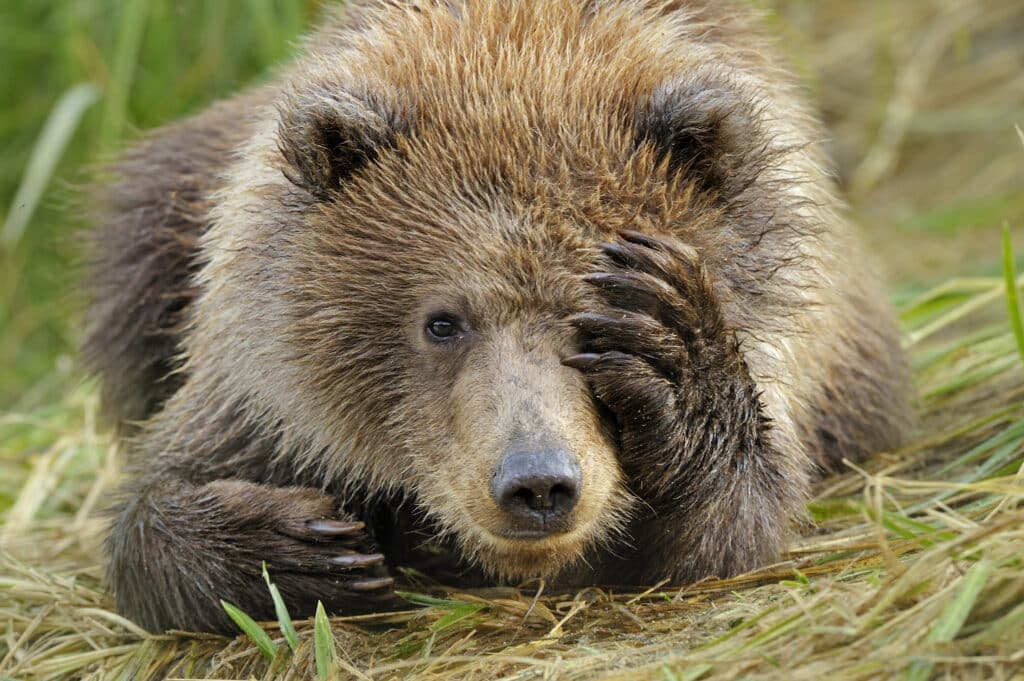
Grizzly bears disperse seeds from the and berries they eat and, as apex predators, they maintain sustainable populations of grazers like deer and elk.
When bears eat salmon, their leftovers feed other animals and help enrich the West Coast’s remarkable forests. Salmon carcasses pass important nutrients and minerals from the ocean into the forest soil, enabling trees near salmon rivers to grow larger, which, in turn, help cool the streams that salmon need to spawn. Then the salmon born here will eventually head out to sea and return, four years later, to spawn themselves and restart the cycle.
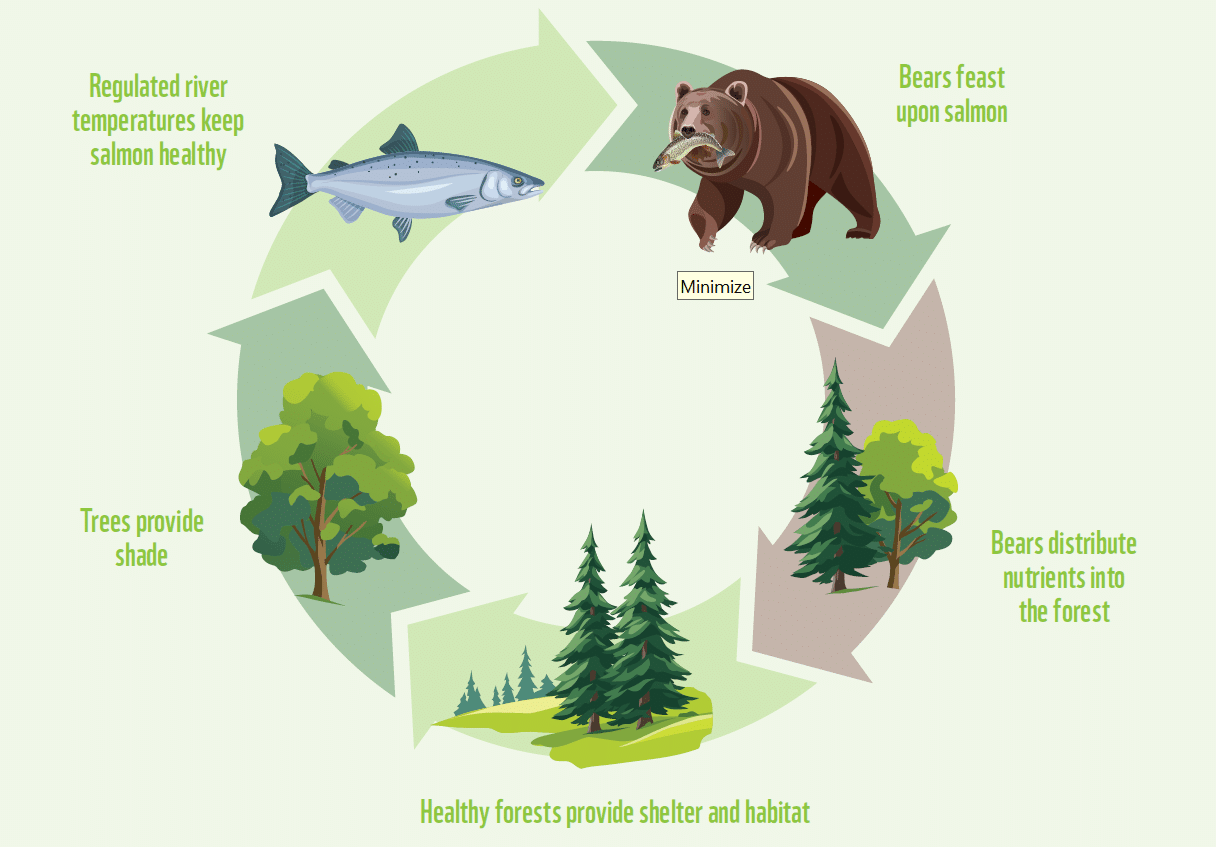
Healthy forests not only provide habitat for grizzly bears, but for the thousands of plants and animals that live within them. They also fight climate change by absorbing carbon from the atmosphere and storing it in the soil.
Grizzly bears remind us that nature is deeply interconnected, not a collection of separate parts but an intricate web where every thread — from the mightiest grizzly bear to the tiniest tree seed — supports and depends on one another.
And when a strong keystone species thread like the grizzly is threatened, catastrophic effects can unravel this living web.
Grizzly bears are at risk
Right now, these bears and their habitats face growing threats as human development expands into their territories.
When housing, roads and industrial activities reduce, degrade and fragment the forests where grizzlies live, it becomes harder for them to find food, mates and, ultimately, to survive. This loss of forest habitat can also lead to changes in stream flow, mudslides that block waterways and reduced shade in already climate-warmed spawning grounds, further reducing salmon populations for bears and other species that rely on them.
Bears are known to eat less salmon in areas disturbed by people. The presence of humans can also be deadly for grizzlies — they can be killed in vehicle and train collisions, by and poachers, or by people defending themselves and their property from bears that wander too close to human settlements in search of food when their usual sources are disrupted.
Read more: 10 facts about grizzly bears
But this is also a story of hope
Interconnectedness is nature’s greatest strength. By recognizing how closely nature, wildlife, and the threats they face are linked, we can create conservation solutions that address multiple issues all at once. And because all nature is connected, those actions can also have a positive ripple effect on many different species, habitats, and ecological processes.
For example, protecting and connecting grizzlies’ habitats is not only crucial for their survival but influences every part of their world.
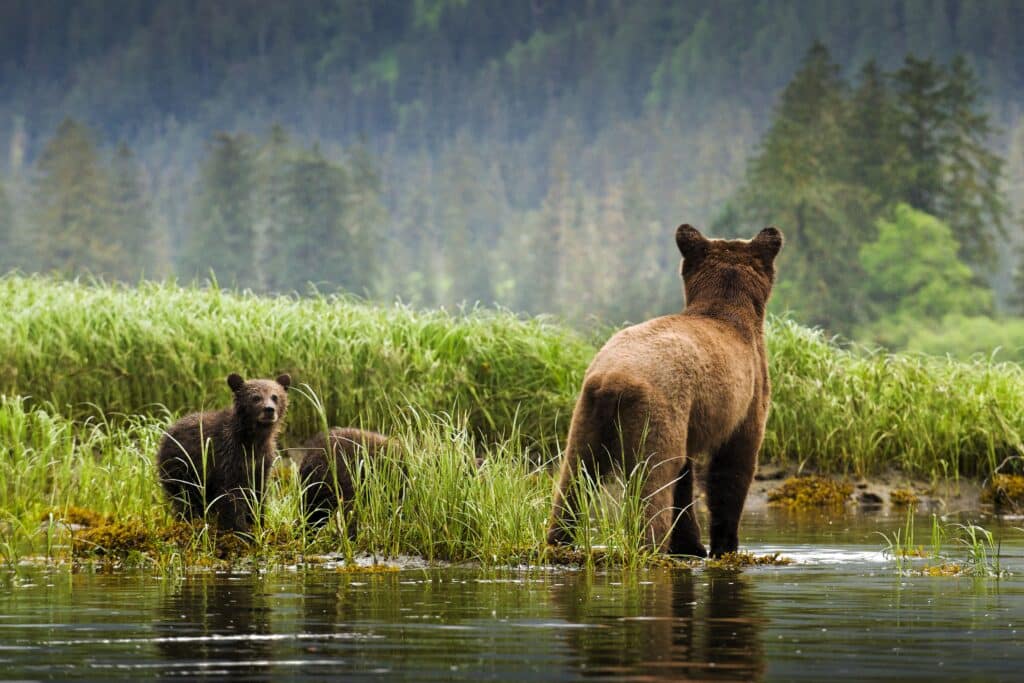
Like a grizzly bear, we can have a real influence, too.
We have the power to push back against formidable forces like habitat loss and climate change; to take small steps now that will lead to big changes in the future.
One of the ways we’re doing this is by working with industry and governments to reduce the impacts of forestry, mining and shipping on wildlife. Together with Indigenous communities and local conservation groups, we’re restoring at least one million hectares of lost or degraded habitats — creating more space for grizzlies, salmon, and many other species across Canada.
Lastly, by tracking wildlife population trends, like with the data compiled in our upcoming Living Planet Report Canada 2025, we can spot when the threads that hold nature’s web together are fraying and take action to repair them before it’s too late.

With your support, we’re working to halt and reverse wildlife loss across Canada, helping not just grizzlies, but countless species and the rich webs of life they help sustain.