Five years of Regenerate Canada… and counting
Canada’s wildlife and ecosystems are at a crossroads. Recognizing this urgency, WWF-Canada launched Regenerate Canada in 2020, an ambitious plan to protect and restore the nature that wildlife and people rely on for clean water, fresh air and climate resilience.
Together, we set out to restore 1 million hectares, steward 100 million more and reduce carbon emissions by 30 million tonnes. To ensure success, we pledged to check in regularly to review progress, reevaluate tactics and hold ourselves accountable to the commitments we made.
The world has since been changing more and faster than anyone expected, but what nature needs is the same. Here at the halfway point of our 10-year plan, we’re proud of the progress we’ve made and are determined to push harder where it matters most to help bring about a brighter future.
Regenerate Canada starts with us, ends with you and gains momentum by embracing Indigenous-led conservation, encouraging governments and businesses to act, and working together with diverse conservation partners to collectively confront these still-accelerating nature crises.
When it comes to protecting and stewarding vital ecosystems for wildlife and communities, we’ve made great gains. We’ve done this by influencing policy, supporting Indigenous stewardship, and funding scientific research and community-led projects.

Our Last Ice Area research helped establish Tuvaijuittuq, a Germany-sized marine protected area (MPA) north of Nunavut’s Arctic archipelago. And our advocacy helped to slow ships crossing Tallurutiup Imanga, a National Marine Conservation Area above Baffin Island dubbed “the Arctic Serengeti,” that’s part of the Last Ice Area and home to 75 per cent of the world’s narwhal, 20 per cent of Canada’s belugas and the largest polar bear subpopulation.
Our efforts also led the International Maritime Organization to approve an emission control area for the Canadian Arctic and prompted the federal government to set minimum standards for MPAs and reduce underwater noise.
We studied how best to recover at-risk species in New Brunswick and Ontario — and what it would cost. We launched a fund to support the creation of Indigenous Protected and Conserved Areas (IPCAs) and helped advance proposals like Aqviqtuuq in northwestern Nunavut. We provided research and supported community input for the Nunavut Land Use Plan and a protected area network in the Great Bear Sea. We also took legal action to protect southern resident killer whales and push Exxon and Chevron to give up oil and gas permits off B.C.’s north coast.
These efforts will help species recover, empower Indigenous-led conservation and protect critical marine habitats, ensuring our lands and waters remain healthy for future generations.
And we’re making good progress on our goal to reduce carbon emissions using nature, recognizing that it takes time. Our approach works like an ecosystem — it’s interconnected. Progress comes from not only restoring habitats that absorb carbon, but from protecting areas where carbon is already safely stored in the ground.
To make this happen, we developed a carbon map of Canada to guide decisions about protected areas, considering both carbon and biodiversity. Then we focused on safeguarding places most at risk from development, where losing them would release huge amounts of carbon back into the atmosphere.

We’ve also learned that restoring lost and degraded ecosystems is fundamentally more complex, resource-intensive and incremental than expected. To accelerate our efforts, we must overcome capacity and funding gaps, native plant and seed supply shortfalls, and government policy and jurisdictional roadblocks. The widespread benefits are more than worth it: cleaner air and water, healthier soils, reduced climate impacts and thriving wildlife.
As large-scale restoration was new to us, we started by building strong partnerships. We supported Katzie First Nation and the Secwépemcul’ecw Restoration and Stewardship Society in B.C. and expanded efforts in the Wolastoq watershed in New Brunswick.
We also launched the national Nature and Climate Grant Program, in partnership with Aviva Canada, to fund projects led by local groups, grassroots organizations and Indigenous communities, and worked with large-scale land managers in southern Ontario and Quebec like Hydro One and Hydro-Québec.
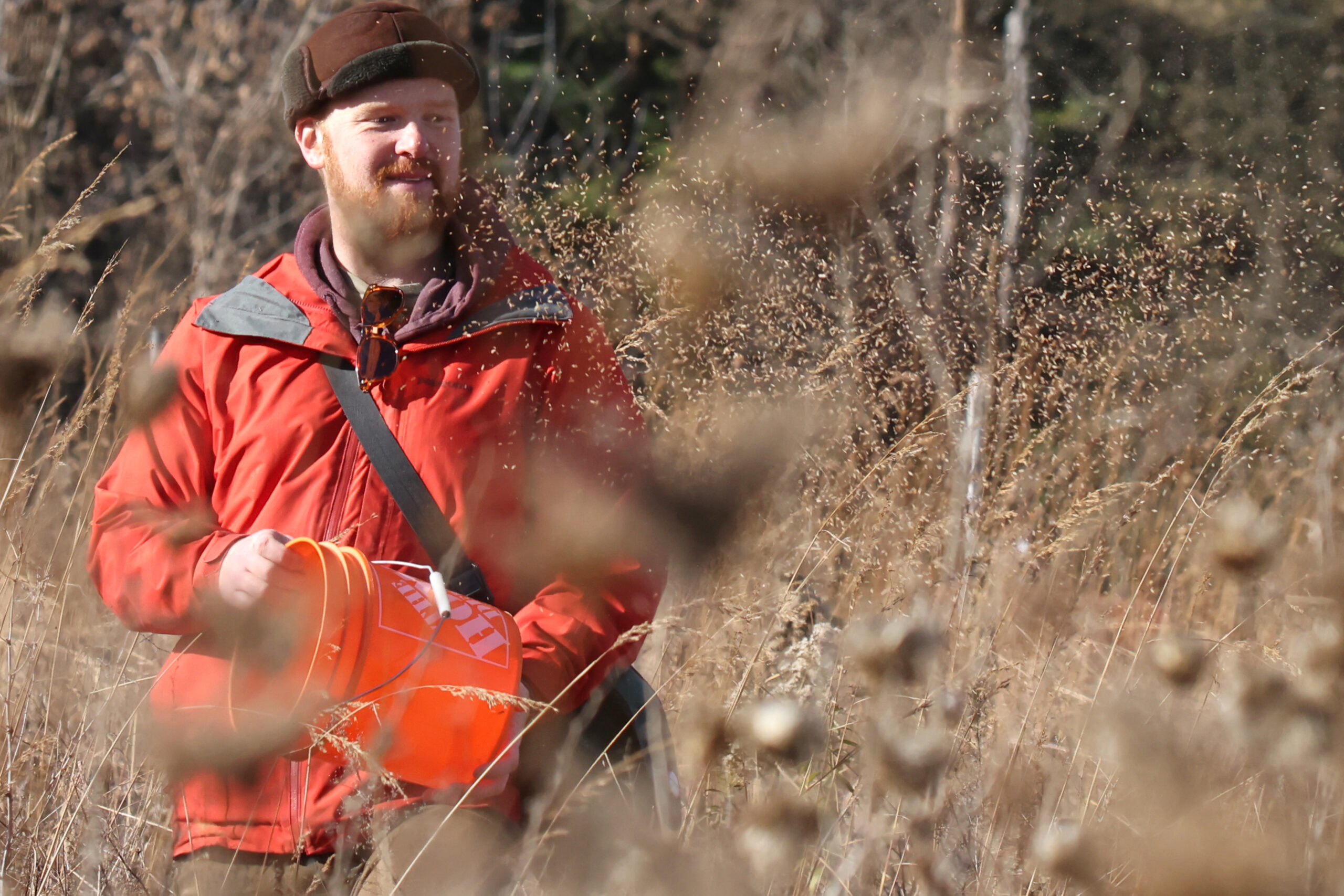
When we saw the need for more native plants, we created a seed orchard program. For smaller-scale restoration, we adapted our successful In the Zone program into re:grow and expanded Go Wild Grants. All of this is meant to engage gardeners and students in restoring habitats in their homes, schools and communities.
We also helped others accelerate restoration by providing tools and funding. We developed a Restoration Analysis to help rightsholders and landowners choose projects that have the most beneficial impact. We launched Mission Restoration to track progress nationwide and held our first Restoration Forum to share successes and challenges. Most recently, we introduced a Catalyst Fund to give small, meaningful initiatives a financial boost.
As we enter the second half of Regenerate Canada, the stakes couldn’t be higher, but so are the opportunities. Every hectare we protect, every river, field and forest we restore, and every tonne of carbon we keep out of the atmosphere brings us closer to the moment where nature and people can thrive together.
Yes, the biodiversity and climate crises are more urgent than ever. But with you at our side, we will turn the tide. Join us — sign up for re:grow, support our conservation work, speak up for nature.
Because when we work together, we’re not only protecting the world we live in, but we’re also ensuring the long-term health and prosperity of the generations who will inherit our world.