Conflicting federal policies risk putting nature further in jeopardy
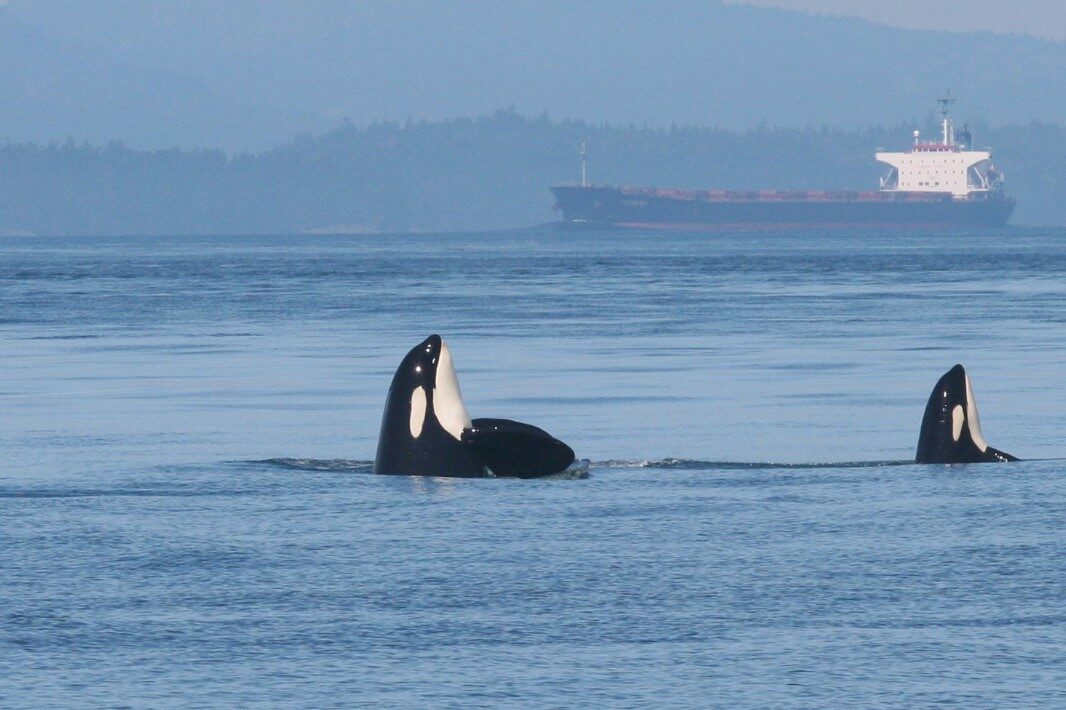
There are fewer than 75 southern resident killer whales left off the southwest coast of Vancouver Island. Earlier this spring, the federal government announced new measures to protect them — wider approach distances, no-go zones for vessels, fishing closures in their habitat.
That same government approved a mega port expansion at Roberts Bank, in the heart of the southern residents’ critical habitat, that its own review panel said would have significant adverse cumulative effects on these same orcas. The project was approved anyway.
On May 8, the federal government proposed sweeping changes to how major projects are approved in Canada. The changes would compress timelines, give ministers more decision-making power, create new economic zones, and potentially weaken safeguards such as the Fisheries Act and Species at Risk Act. When it comes to the latter, it would give cabinet the power to exempt certain projects from the prohibition of activities that could jeopardize a species’ survival.
It comes just weeks after Canada released its Nature Strategy, a national commitment to protect biodiversity, restore damaged ecosystems and encourage both public and private investment in nature.
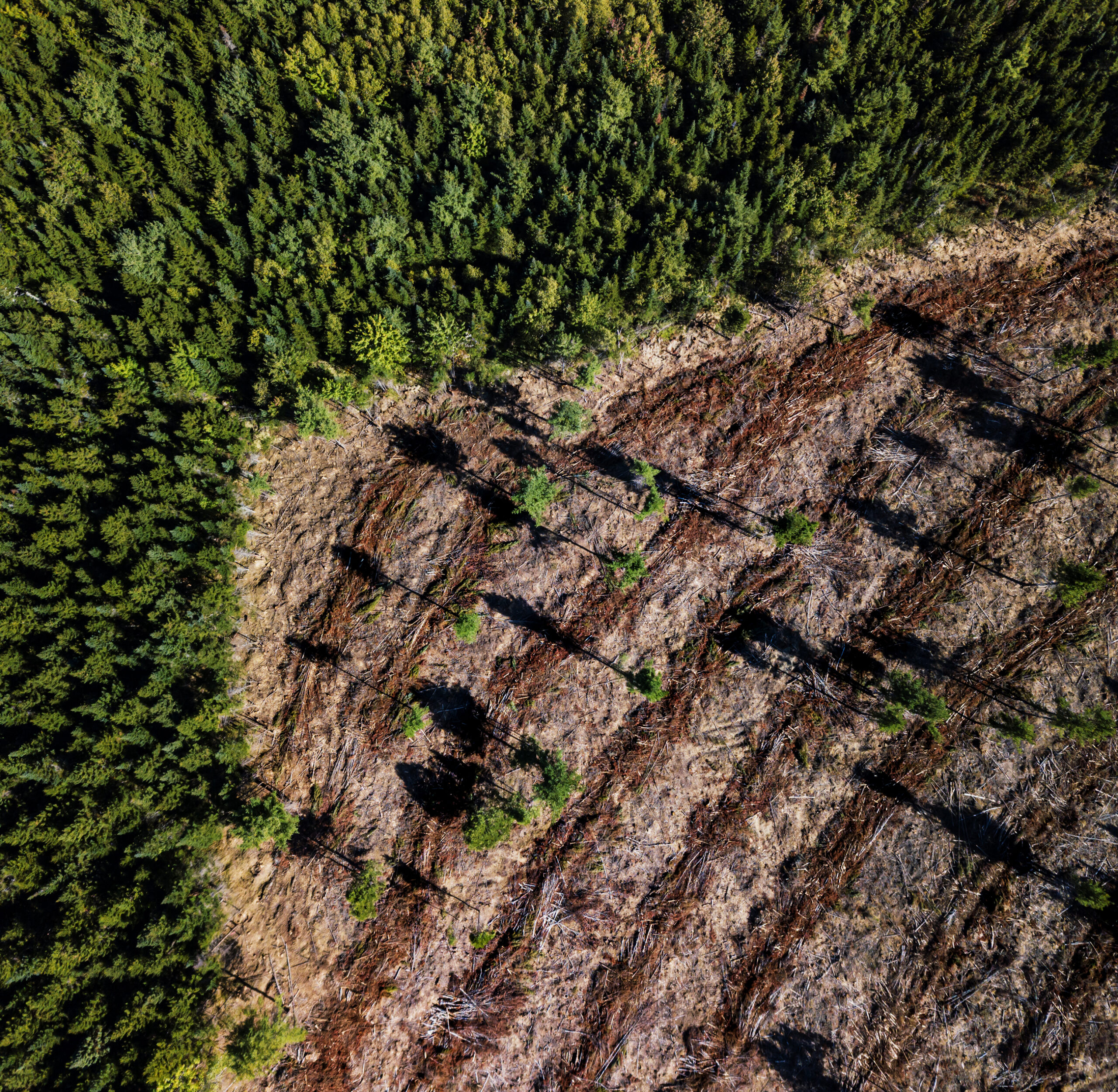
Nature cannot be both an economic asset and an obstacle to be cleared away. But that is what these two announcements, taken together, ask us to accept. The country’s goals for protecting nature and its push to accelerate industrial development are moving against each other.
If project timelines are a genuine problem, the answer isn’t to bypass environmental review, it’s to fix what’s actually slowing projects down. In a study of delays to mining projects in B.C., regulation was found to be a factor in just three of 20 delayed projects. Instead, commodity prices and project financing were more common bottlenecks.
That finding matters because the trade-offs now being proposed reach far beyond the mechanics of project approval. They represent a major claw-back of protections for nature and wildlife.
Canada’s nature commitments, including to protect 30 per cent of lands and waters by 2030, cannot become a model where conservation gains in one place are offset by weaker safeguards elsewhere.
The southern resident killer whales are a case in point: protected on paper but still losing critical habitat to projects approved one at a time. The combined toll of shipping expansion, tanker traffic and port development on their survival has not been adequately accounted for in decision-making.
This raises a question about the proposal to create new “federal economic zones.” If the current system can approve a mega port that experts say would have significant combined impacts on an endangered species, what does a faster, lighter version of that system produce?
This tension becomes even more important in the context of the government’s growing emphasis on private finance for nature. As WWF-Canada recently wrote, private investment can play an important role in supporting conservation outcomes — but it cannot replace strong public leadership, credible regulation and clear limits on what nature can absorb.
If Canada is serious about valuing nature in economic decision-making, then those values need to be built in from the start.
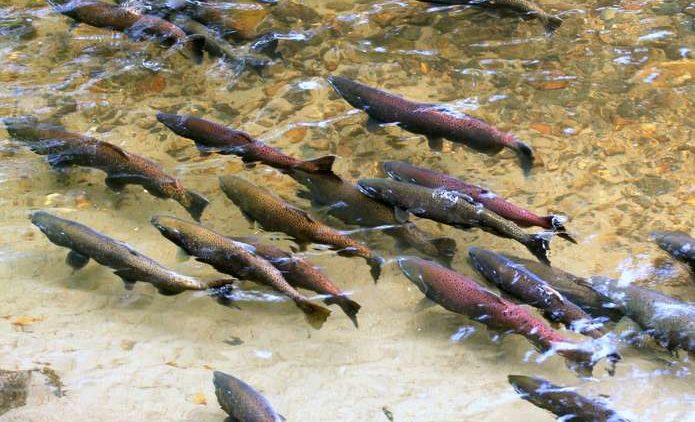
For example, the Fraser River estuary helps filter and regulate water, supports commercial and Indigenous fisheries, acts as a buffer against storms and flooding, and provides critical habitat for Chinook salmon that feed southern resident orcas. But those contributions only matter in decision making if they shape decisions from the earliest stages.
Calculating them after a project is already approved is an exercise in math — tallying costs we failed to consider earlier, rather than meaningful stewardship of natural assets.
Conservation works in a specific order: first avoid impacts, then minimize them, restore where possible, and, only as a last resort, compensate for the loss by protecting or restoring nature somewhere else.
The discussion paper points in the opposite direction. It would make it easier to skip past the early steps and jump to the last one. But nature is not interchangeable. Restoration can help, however some places and ecosystems are irreplaceable once lost.
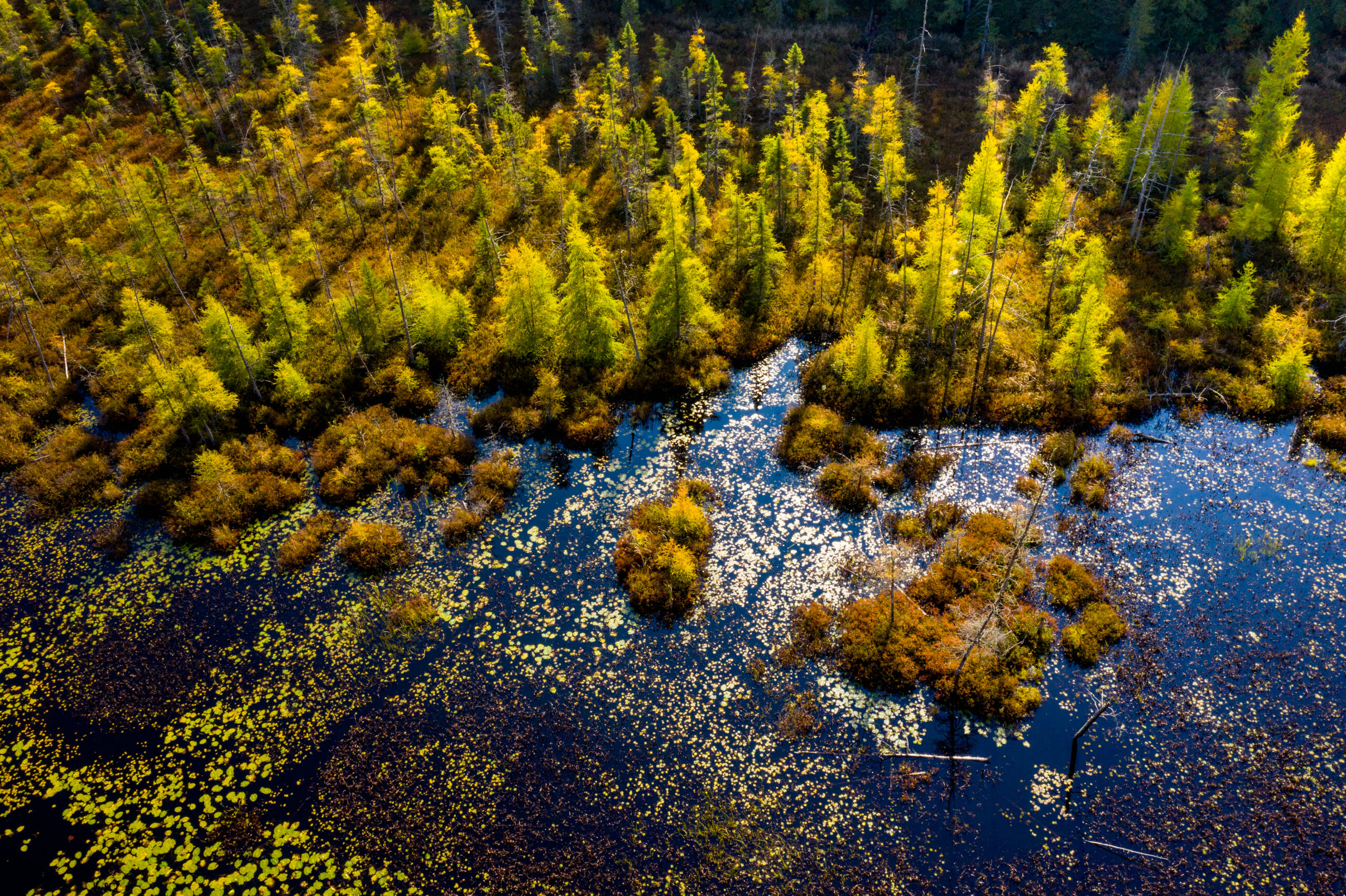
Faster project decisions can still require that cumulative effects on nature and wildlife be considered and the mitigation hierarchy applied before decisions are made. Speed cannot come at the cost of the rules meant to make those decisions sound.
Healthy rivers, wetlands, forests and oceans are the infrastructure that underpins Canada’s economy. They filter water, buffer storms, prevent floods, reduce wildfires, feed people, provide habitat for wildlife and store carbon at scale.
We cannot protect biodiversity by building tools to measure nature’s contribution to the economy while simultaneously building the means to bypass them. The southern resident killer whales are one test of this, but they won’t be the last. The question is whether Canada will let a faster approvals process decide which species pass that test — and which do not.