© Jeremy Koreski

Nature and Climate Grant Program

By supporting projects that directly restore viable habitat for biodiversity and capture and store carbon, we are helping wildlife thrive and fighting climate change at the same time.


Fighting biodiversity loss and climate change

Canada is facing the dual crises of biodiversity loss and climate breakdown. Climate change is one of the key drivers of habitat loss and the decline of species at risk, while the damage and destruction of nature is a major source of greenhouse gas emissions. The protection, restoration and management of nature can provide up to 30 per cent of the global greenhouse gas mitigation efforts required to keep the average global temperature increase below 2°C. In Canada alone, we have identified 3.9 million hectares that, if restored, would help curb biodiversity loss and climate change.

Nature-based climate solutions use the unique powers of nature to both capture and store carbon, a major greenhouse gas, helping to safeguard species and make communities more resilient to climate change. WWF-Canada’s Nature and Climate Grant Program, helps local groups and Indigenous communities restore degraded lands and shorelines to improve habitats and capture carbon.

Aviva Canada is the presenting partner of the Nature and Climate Grant Program.

Success Stories from the NCGP | Kennebecasis Watershed Restoration Committee (KWRC)

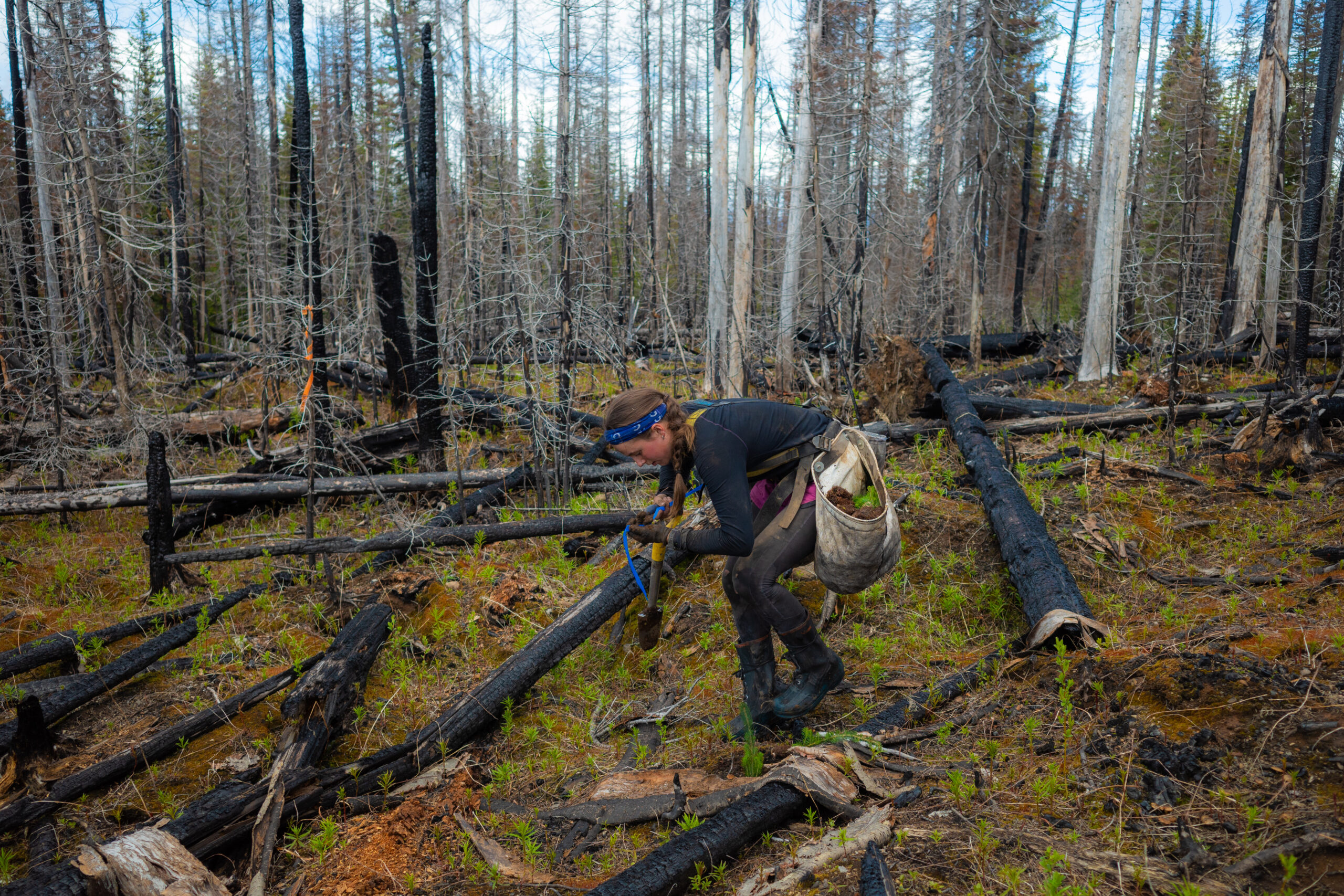
Tree planters reforesting fire-impacted land in Secwépemc territory. © New Parallel Studios / WWF-Canada Tree planters reforesting fire-impacted land in Secwépemc territory

Year 4: 2024-2025

Ongoing funding from Aviva Canada is allowing the program to build on its success and financially support Indigenous-led forest restoration and management.

NCGP’s year 4 grantee is the Secwepemcúl’ecw Restoration and Stewardship Society (SRSS), a collaboration of several Secwépemc communities that was formed in the aftermath of the devastating 2017 wildfire season in B.C. The fire blazed through 192,725 hectares of Secwépemc traditional territory over 75 days, destroyed vast areas of forest habitat and left the land vulnerable to soil erosion and landslides. The SRSS came together to promote a collective and collaborative approach to yecwemínem, or stewardship. Their goal is to recover from fire in a way that adheres to the Secwépemc values and laws. As SRSS’ website says, “It is our cultural responsibility to ensure we leave a legacy of regenerated lands, enriched and thriving forests and biodiversity, healthy and abundant wildlife, clean air and water for future generations.”

Guided by Indigenous knowledge and combined with scientific data, SRSS has been working to restore culturally important and at-risk species, and habitat for wildlife in fire-impacted areas while monitoring long-term progress. They are focused on restoring both trees and shrubs by planting a wide variety of native species and species that have adapted to the local ecology.

Progress report:

  • By the numbers: Since 2020, the SRSS has planted more than 1.1 million trees, restoring more than 677 hectares of forest ecosystems impacted by the wildfires. Their goal is to scale up to planting one million trees annually by 2026.
  • Interesting fact: Member communities of the SRSS have been trained to monitor how their efforts have helped sequester carbon and are currently working to increase their nursery capacity and implement a native seed collection program.
  • Learn more about SRSS and Indigenous-led forest restoration.

Leadership in action: Inspiring the Canadian business community

The Nature and Climate Grant Program supports the on-the-ground work of our grantees. But it doesn’t end there. As part of WWF-Canada’s strong partnership with Aviva Canada, we are working together to engage Canada’s business community to take action in support of biodiversity and nature-based climate solutions.

Two women and two men sitting on a stage, next to a projection that says Action Plan Business and Biodiversity: Your company’s path toward nature positivity. Presented in partnership with Aviva Canada.Kathrin Majic, SVP Development, WWF-Canada, moderating a session at GLOBE Forum 2024 in Vancouver on business and biodiversity with speakers Paul Fletcher, Chief corporate affairs officer at Aviva Canada, Emma Race, Senior director, Sustainability & Social Impact at Loblaw Companies Ltd., and Daniel O’Brien, Partner, Sustainable strategy and transformation, PwC Canada. © Laurence C. Desrosiers / WWF-Canada
© Laurence C. Desrosiers / WWF-Canada

In 2022, WWF-Canada CEO Megan Leslie and former Aviva Canada CEO Jason Storah wrote an op-ed in The Financial Post making the case for why businesses must account for — and improve — its impact on the natural world, and echoed these sentiments in a session at the December 2022 COP15 UN Biodiversity Conference in Montreal, (the Kunming-Montreal Global Biodiversity Framework (GBF) signed at COP15 explicitly calls on businesses and financial institutions to disclose their negative impacts on biodiversity and take aggressive action to mitigate those impacts).

In 2024, we released an Action Plan with Aviva Canada entitled Business and Biodiversity: Your Company’s Path Towards Nature Positivity, which is aimed at the Canadian business community. The guide is filled with concrete ideas for how businesses can act to help halt and reverse nature loss and contribute to a more sustainable global economy. We followed up at the GLOBE Forum in Vancouver, where WWF-Canada and Aviva Canada co-sponsored the Restoring and Protecting Nature track. We held a session where we discussed the importance of Indigenous-led conservation with Angela Kane, CEO of Secwepemcúl’ecw Restoration and Stewardship Society, and another one where we brought the Action Plan to life to equip delegates with practical changes they can make to move their organizations towards a more sustainable economy

On the heels of the GLOBE Forum, we published another op-ed, in the Toronto Star, signed by Kathrin Majic, WWF-Canada’s Senior Vice-President of Development, on nature as an increasingly vital strategic corporate imperative, and how the Canadian business community can act to seize the opportunity arising.

Through the Nature and Climate Grant Program, we demonstrate how positive change can take place when businesses invest in nature.

Year 2 and 3: 2022-2024

The program built on the success of its first year and offered multi-year grants to projects led by local groups and Indigenous Peoples (including three returning groups from year one). This work took place over a two-year timeline, from 2022 through 2024, and laid the foundation for meaningful, long-term change.

By July 2024, our grantees had:

  • Restored more than 702 hectares of habitats on wetland, grassland, shoreline, agricultural and former industrial sites;
  • Planted 299,968 native trees and 33,531 shrubs;
  • Improved the habitats for at least 57 local populations of species at risk.

Together, these efforts benefitted more than 283,665 Canadians.

Learn more about these incredible groups and how they restored ecosystems to achieve wildlife and climate goals.

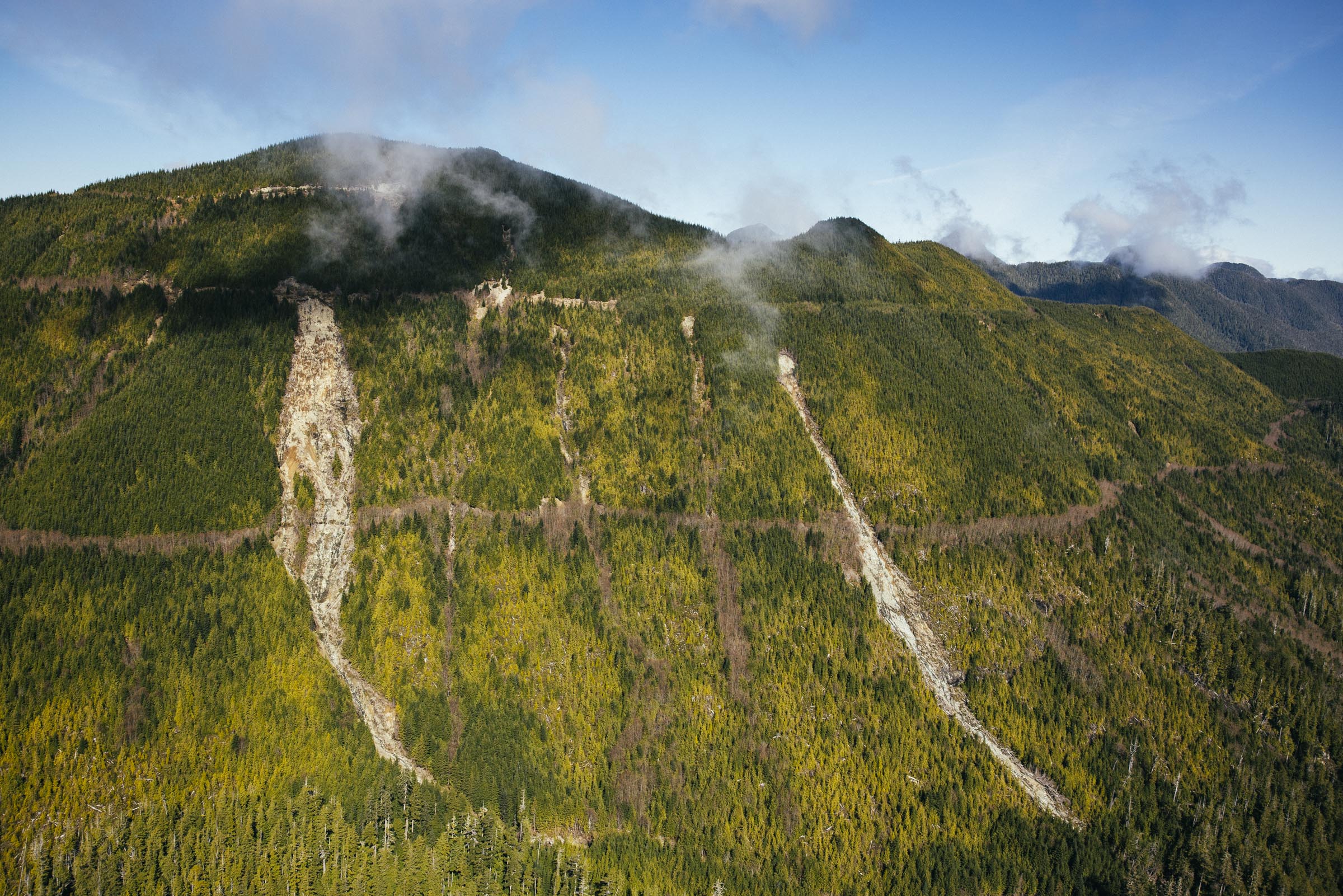
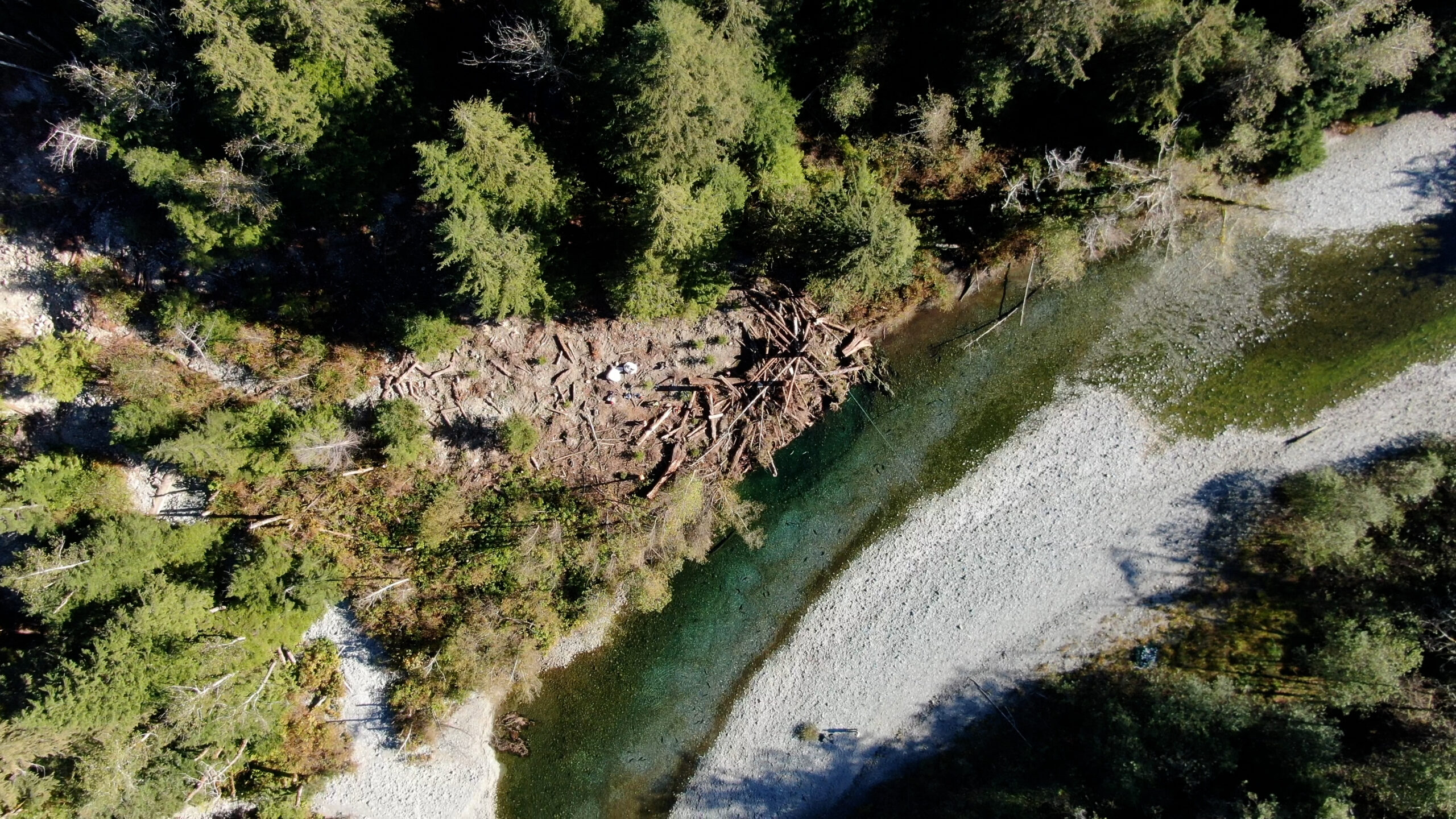
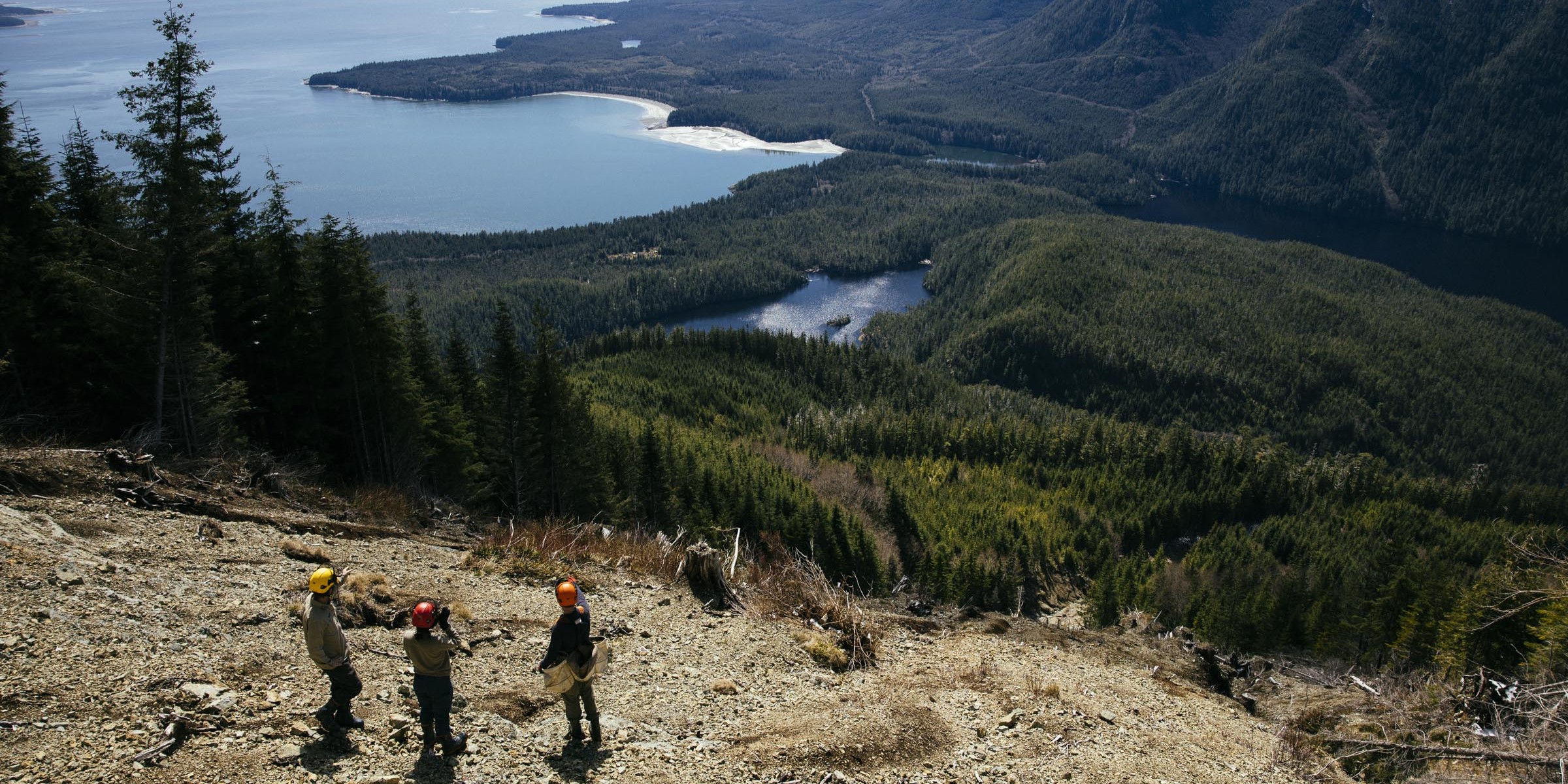
© Jeremy Koreski An aerial photo of the landslide-damaged slopes of Hesquiaht, near Tofino, B.C.

The Clayoquot Climate Resilience and Watershed Restoration Project, led by the Redd Fish Restoration Society in partnership with the ƛaʔuukʷiʔatḥ (Tla-o-qui-aht) and hiškʷiiʔatḥ (Hesquiaht) Nations, worked to restore ecosystem resilience, rebuild wildlife populations and mitigate climate change in watersheds on two damaged sites on the west coast of Vancouver Island, B.C. The project’s goal is to build a better future for the communities that depend on these watersheds, which are also affected by high-intensity weather and events such as landslides.

Progress report:

  • By the numbers: By 2023, the Nature and Climate Grant Program allowed Redd Fish to plant 24,171 native conifers and willow stakes across the restoration site — strengthening a landscape damaged by landslides and protecting an important salmon habitat.
  • Fun fact: In 2022, Redd Fish installed a log jam structure — comprising 92 logs and five stumps — in Tranquil Creek, which proved popular for spawning adult salmon and rearing juveniles seeking refuge in an otherwise shallow and wide segment of the river.
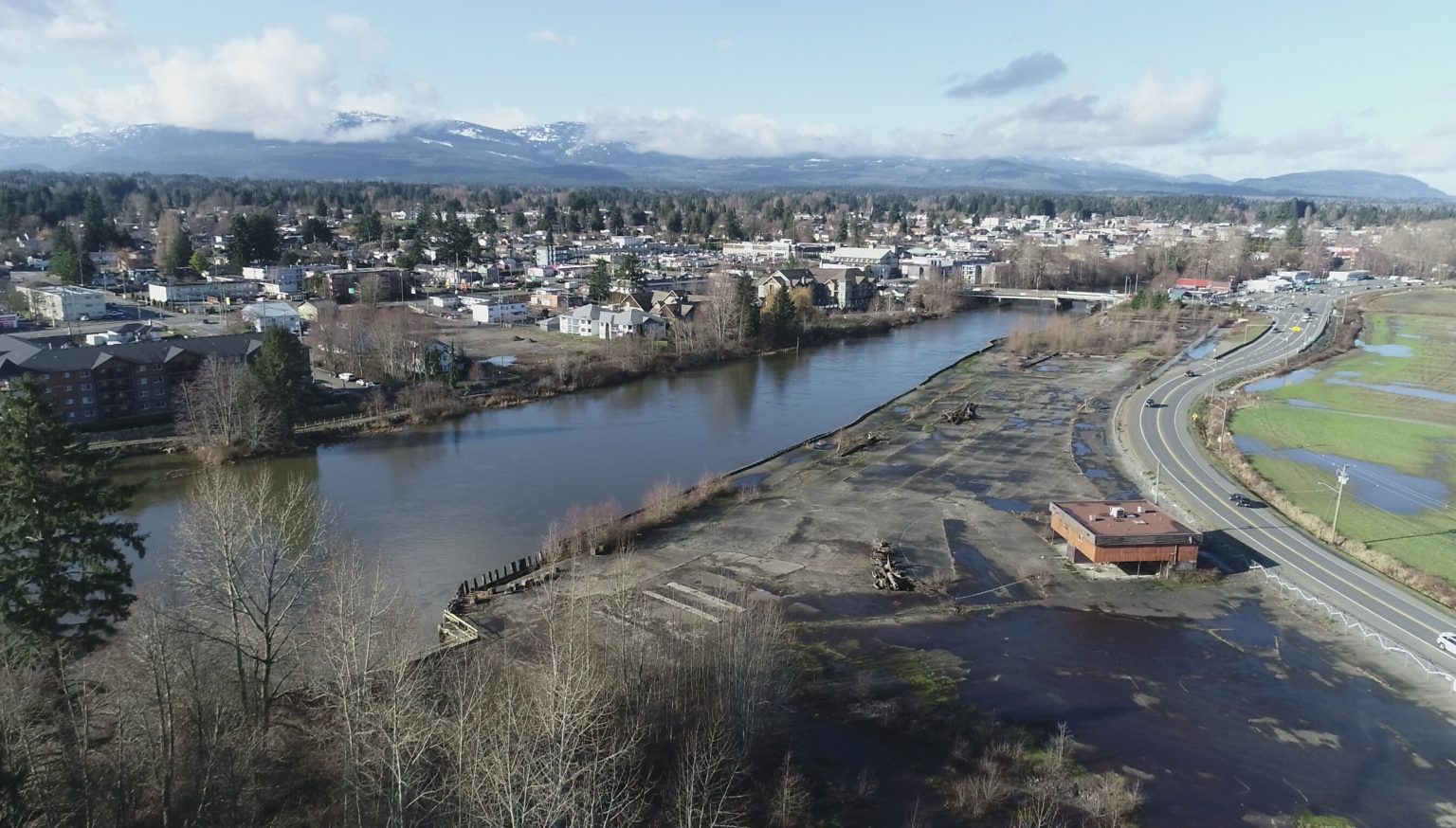
© Rick Wards An aerial photo of a river near a former industrial site, with houses and mountains in the background in Courtenay, B.C.

Kus-kus-sum, a partnership between Project Watershed, the K’ómoks First Nation and the City of Courtenay, was a participant in the Nature and Climate Grant Program since 2021. It aimed to restore tidal marshes and riparian forest on a former sawmill site in the heart of the Comox Valley, on the east coast of Vancouver Island, B.C. Their work helped restore natural biodiversity to benefit wildlife and maintain fish stocks, mitigate climate change impact (via flood attenuation, sea level rise adaptation and carbon sequestration) and restore cultural and traditional uses of the site by the K’ómoks First Nation, on whose unceded territory the land sits.

Progress report:

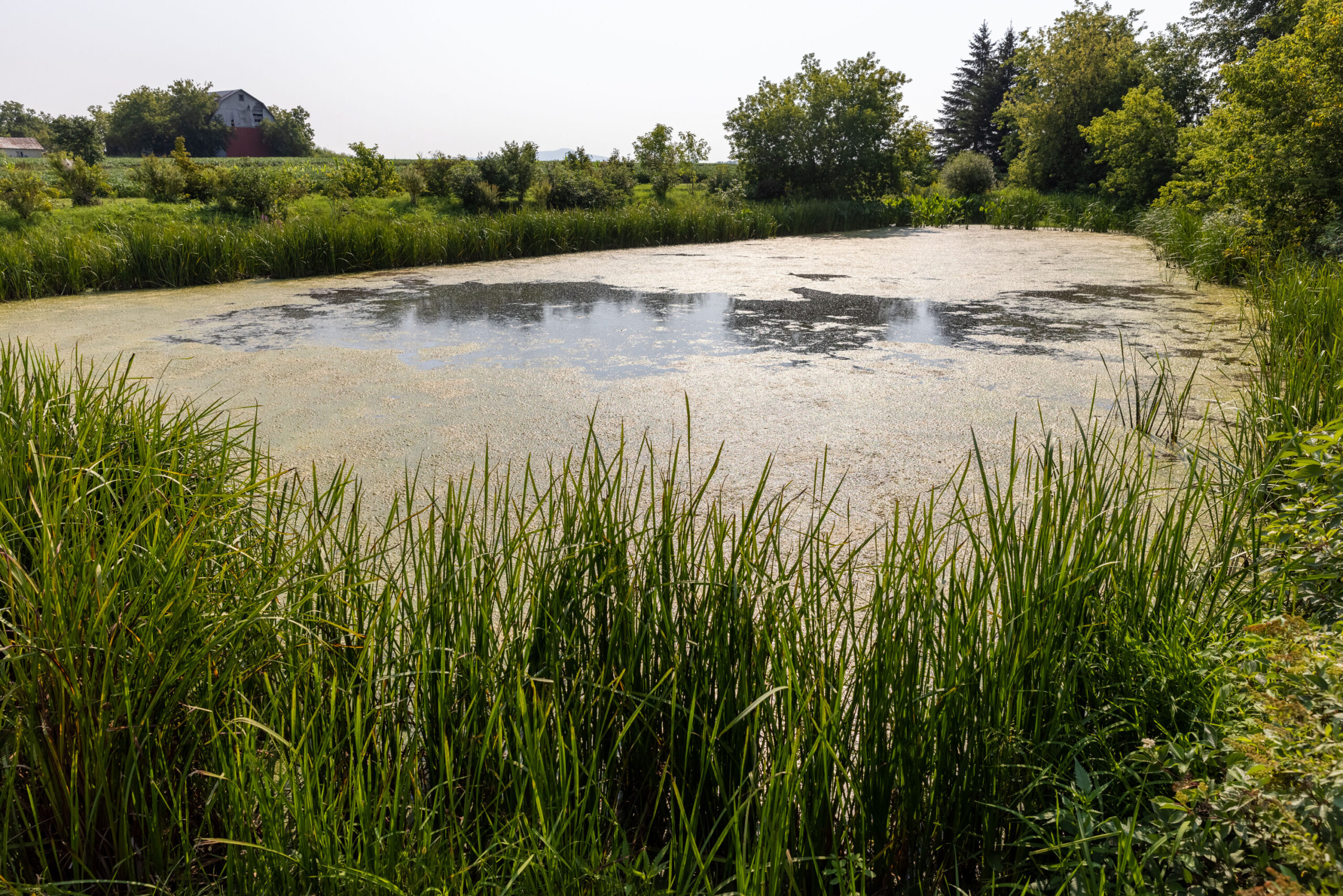
© ALUS A wetland on agricultural land in Ontario

ALUS, an innovative community-developed and farmer-delivered program that restores, enhances and maintains ecosystem services on agricultural lands, was also part of the Nature and Climate Grant Program since 2021. ALUS worked collaboratively with farmers and community partners to create, enhance, conserve and manage on-the-ground habitat projects. Their project aimed to integrate native habitats such as grasslands, trees and wetlands into marginal and environmentally sensitive areas of farmland in the counties of Norfolk, Elgin and Lambton in Ontario and the regions of Montérégie and Outaouais in Quebec.

Progress report:

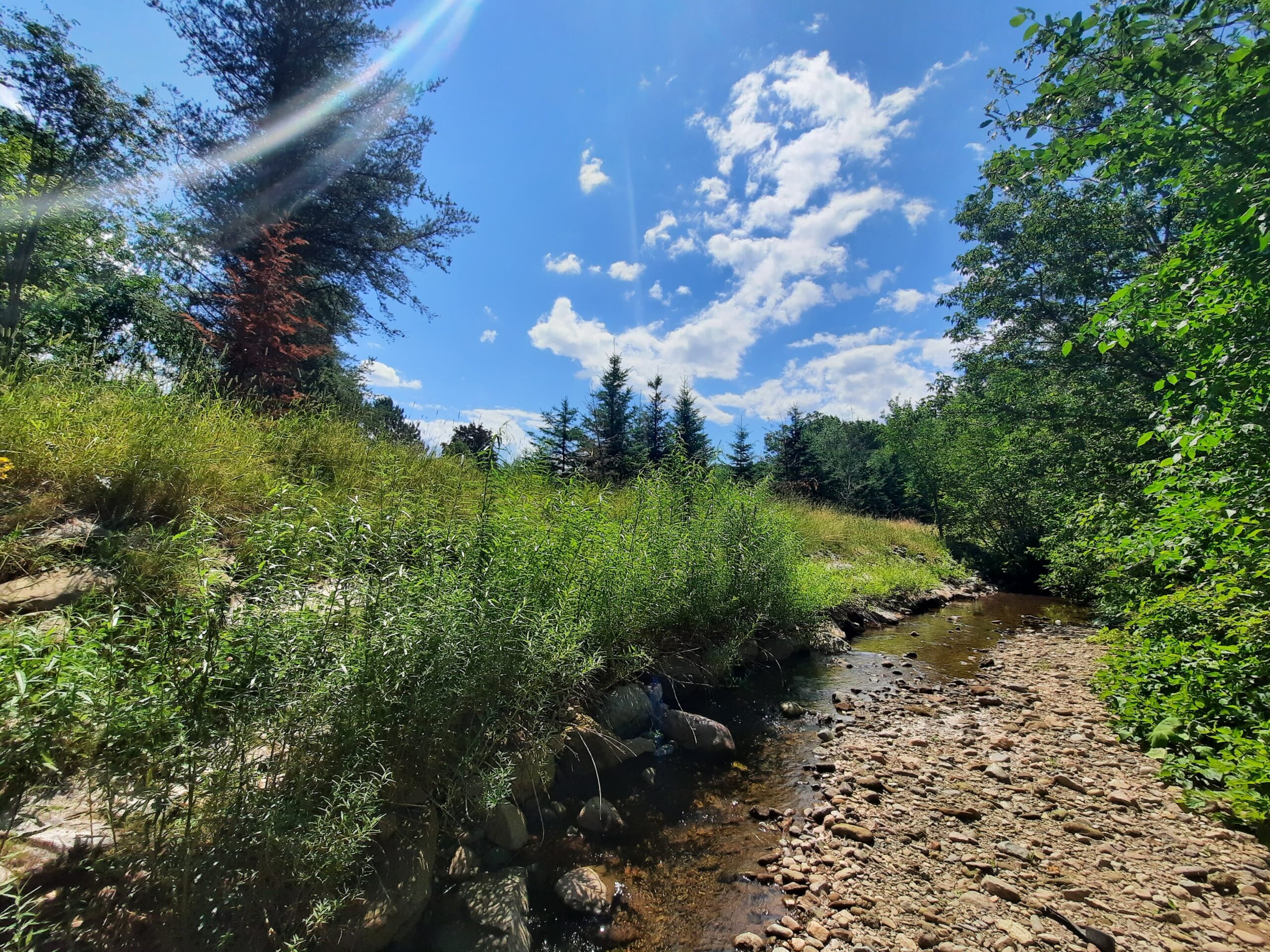
© Kennebecasis Watershed Restoration Committee Native shrubs on the restored banks of a stream near Sussex, N.B.

With the Carbon Capture Collective project, the Kennebecasis Watershed Restoration Committee (KWRC) and their partners, the Hammond River Angling Association (HRAA) and Belleisle Watershed Coalition (BWC), worked to improve site diversity and increase carbon sequestration by creating baseline carbon calculations on soils at degraded riparian areas in Sussex, NB. This project aimed to increase tree species, floodplain functions and overall ability to sequester carbon through improved tree growth and soil health. The partners worked with the Agriculture Alliance of New Brunswick to complete the carbon monitoring process and engage students and volunteers for tree planting efforts.

Progress report:

  • By the numbers: From 2022 to 2024, staff and volunteers from KWRC, HRAA and BWC planted 6,733 native shrubs, whose sturdy roots sequester carbon and reduce flooding, and whose dense branches provide valuable habitat for mammals, insects and birds. The project helped protect and enhance the habitats of 10 species at risk, including the Atlantic salmon, the monarch butterfly and the Canada warbler.
  • Learn more: Watch how the KWRC is using native plants to bolster biodiversity and combat climate change.
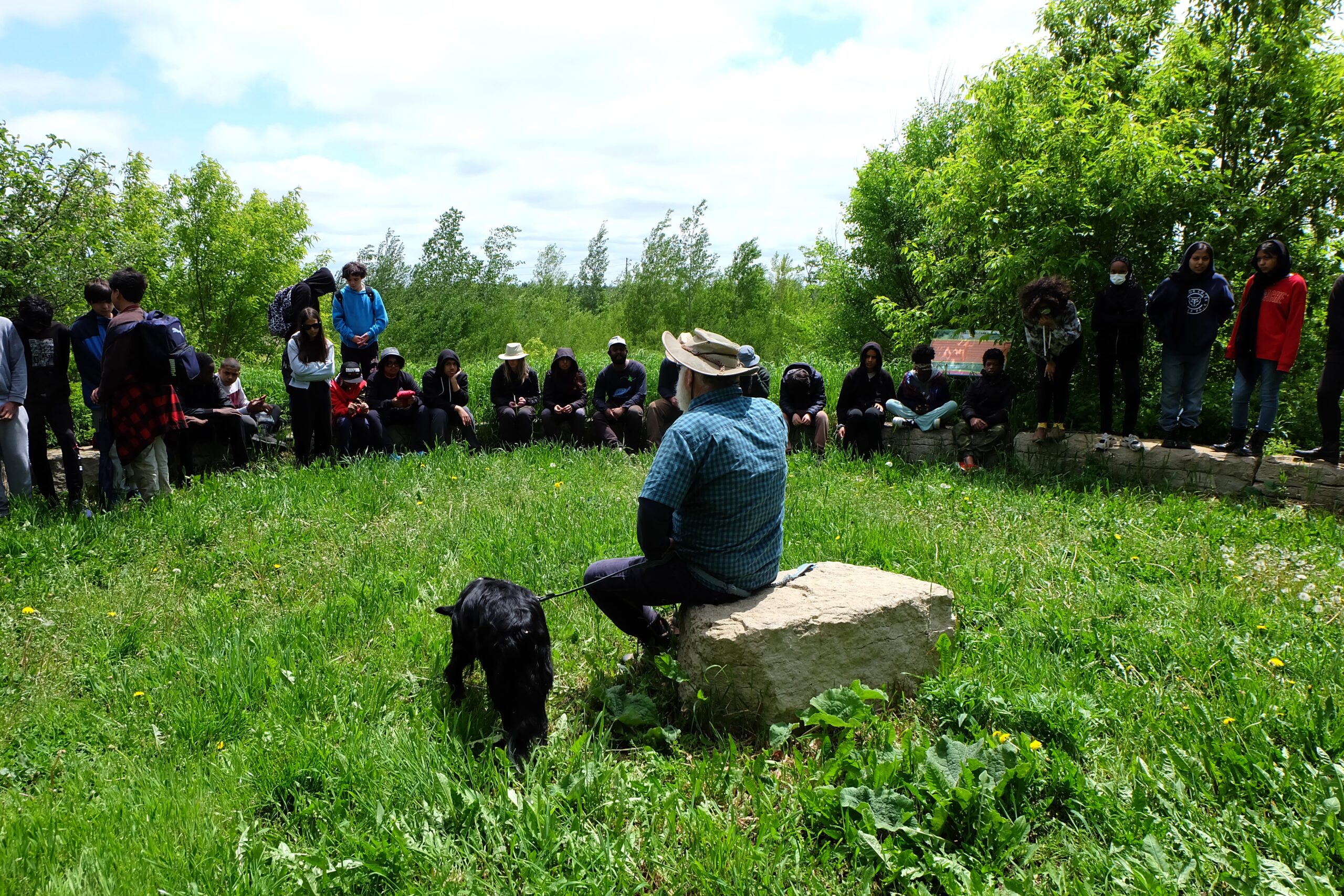
© Deborah Aarts / WWF-Canada An adult person and a dog seen from behind, with a half circle of adolescents volunteers in Markham, Ont.

The Friends of the Rouge Watershed (FRW) project aimed to mobilize 4,000 youth and community volunteers in Toronto to plant 20,000 native trees and 8,000 native wildflowers and shrubs to contribute to the restoration of riparian forest wetland habitat (or swamp), upland forest habitat and wildflower meadow habitat on municipal parklands in the Rouge River Watershed near Rouge National Urban Park. It helped improve overall biodiversity and habitat for dozens of species at risk and fight climate change and flooding by absorbing significant amounts of carbon and millions of litres of water over two years.

Progress report:

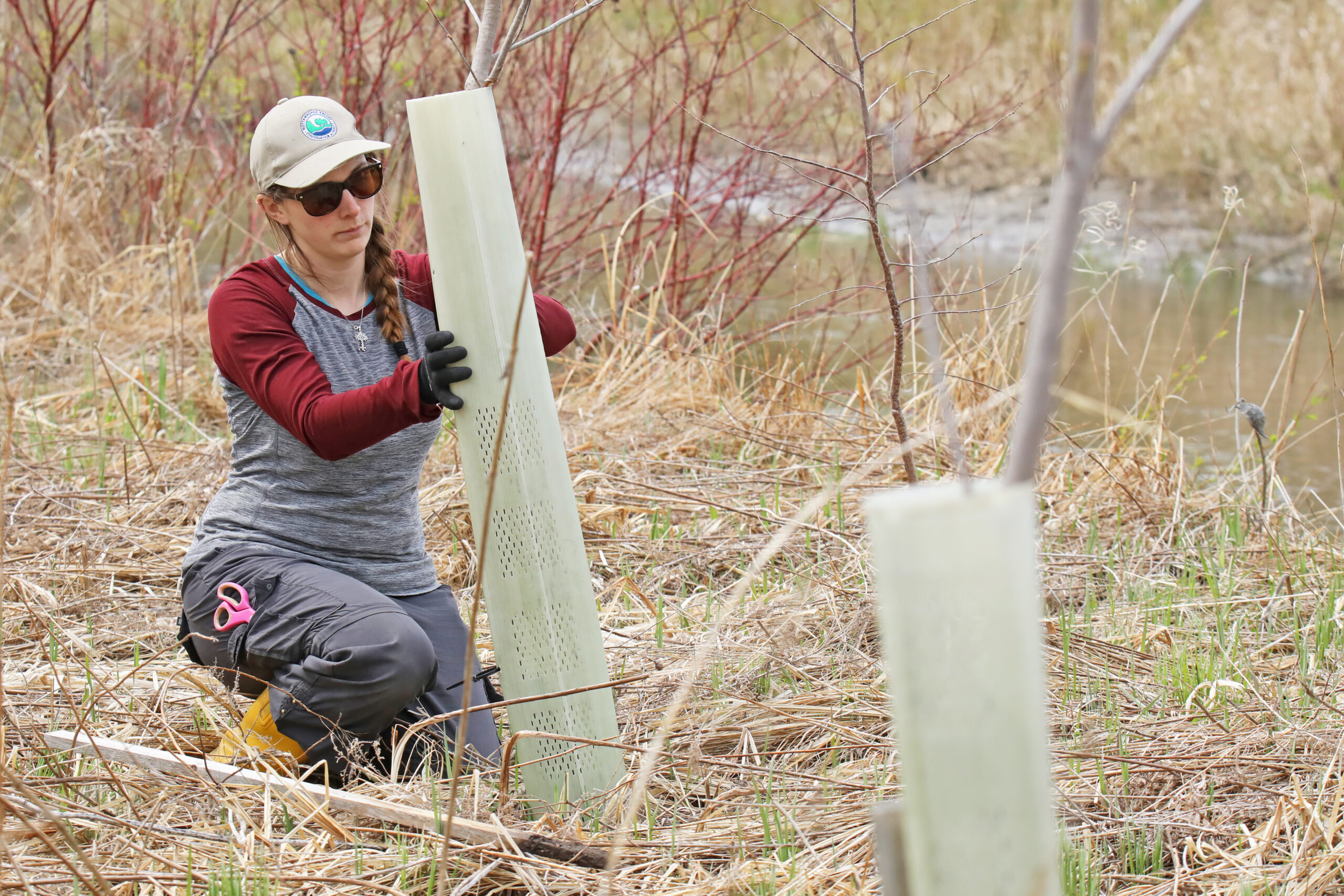
© Kevin Lamb A volunteer installs a white robust protection around a young native tree near the Minesing Wetlands in Ontario

The Nottawasaga Valley Conservation Authority (NVCA) was a Nature and Climate Grant participant since 2021. The project engaged landowners, farmers and volunteers, and aimed to “Take a Load Off” watersheds north of Toronto by restoring natural infrastructures, improving habitat for biodiversity and enhancing ecosystem’s ability to sequester carbon. The NVCA also worked to reduce flooding by increasing infiltration rate, creating floodplain capacity and protecting and increasing wetlands. Activities included wetland, river, forest and native grassland habitat restoration, and farm practices to create carbon-rich healthy soils.

Progress report:

  • By the numbers: In two years, the Nature and Climate Grant Program helped NVCA restore, protect and enhance 330 hectares of degraded forest, grassland, wetland and river habitats. This work included eight hectares of restoration in the Minesing Wetlands, a critical habitat for species like the endangered cerulean warbler and wood turtle.
  • Learn more: Watch how NVCA’s work helped restore a major watershed near Barrie, ON.

Site spotlight: Protecting salmon habitats on Vancouver Island

Hiłsyaqƛis, also known as Tranquil Creek, is a picturesque waterway winding northeast of Tofino on Vancouver Island. Years of industrial logging and extreme weather have damaged this ecosystem, causing wild salmon populations to plummet. Jessica Hutchinson, executive director and ecologist at Redd Fish Restoration Society, explains how the Nature and Climate Grant Program is helping the organization to bring salmon back.

“Holding pools are deeper sheltered areas in rivers where salmon wait to migrate upstream, find a mate or seek cover from predation. A few years ago, we identified a lack of pool habitat as a limiting factor to how many salmon the river can support. So, we decided to recreate a holding pool in the river.

© Ross Reid

“We worked with a team of engineers and fluvial geomorphologists to identify a suitable area and prepare a design that would have longevity and function well as a habitat. Using helicopters and barges and trucks, we brought in logs and roots traditionally native to the area — that was the most time-consuming and challenging part.

“After we finished construction, a drought dried up a section of the river just metres from our pool. Fish physically couldn’t migrate further upstream, so our holding pool became a significantly important hotspot for all five species of returning salmon because it was the only accessible one. We saw some really intense use right away, and our new pool is also preventing erosion and creating a more complex, nutrient-rich habitat. It has been a very rewarding project.”

Year 1: 2021-2022

During the 2021-2022 season — NCGP’s inaugural season — seven grantees collectively restored over 160 hectares of wetlands, grasslands, shorelines, agricultural areas and former industrial sites.

From the salt marshes of the Wolastoq (Saint John River) valley, New Brunswick, to the shores of Vancouver Island, B.C., to the farmlands of Quebec and Ontario, around 4,000 people planted nearly 90,000 trees and shrubs, which will sequester carbon as they grow and benefit dozens of species at risk.

These projects also made communities more resilient to the impacts of climate change, such as flooding, directly benefitting over 100,000 people.

Year one grantees:

  • ALUS Canada Engaging farmers and ranchers in nature restoration in Chatham-Kent, Ont. and Outaouais, Que.
  • Credit Valley Conservation Hungry Hollow sustainable neighbourhood Action Plan in Halton Hills and Georgetown, Ont.
  • Ducks Unlimited Canada Maintaining Saint John River floodplain wetlands and measuring carbon accumulation at coastal wetlands, N.B.
  • Hammond River Angling Association Cutting hedge technology: Using shrubs to sequester carbon and restore Palmer Brook, N.B.
  • Nottawasaga Valley Conservation Authority Take a load off: Restoring habitat and water quality in the Nottawasaga Valley, Ont.
  • Comox Valley Project Watershed Society Kus-kus-sum: Restoration of key habitat to re-establish ecosystem services and build coastal resiliency, B.C.
  • SeaChange Society: Saanich Peninsula blue carbon recovery project, B.C.