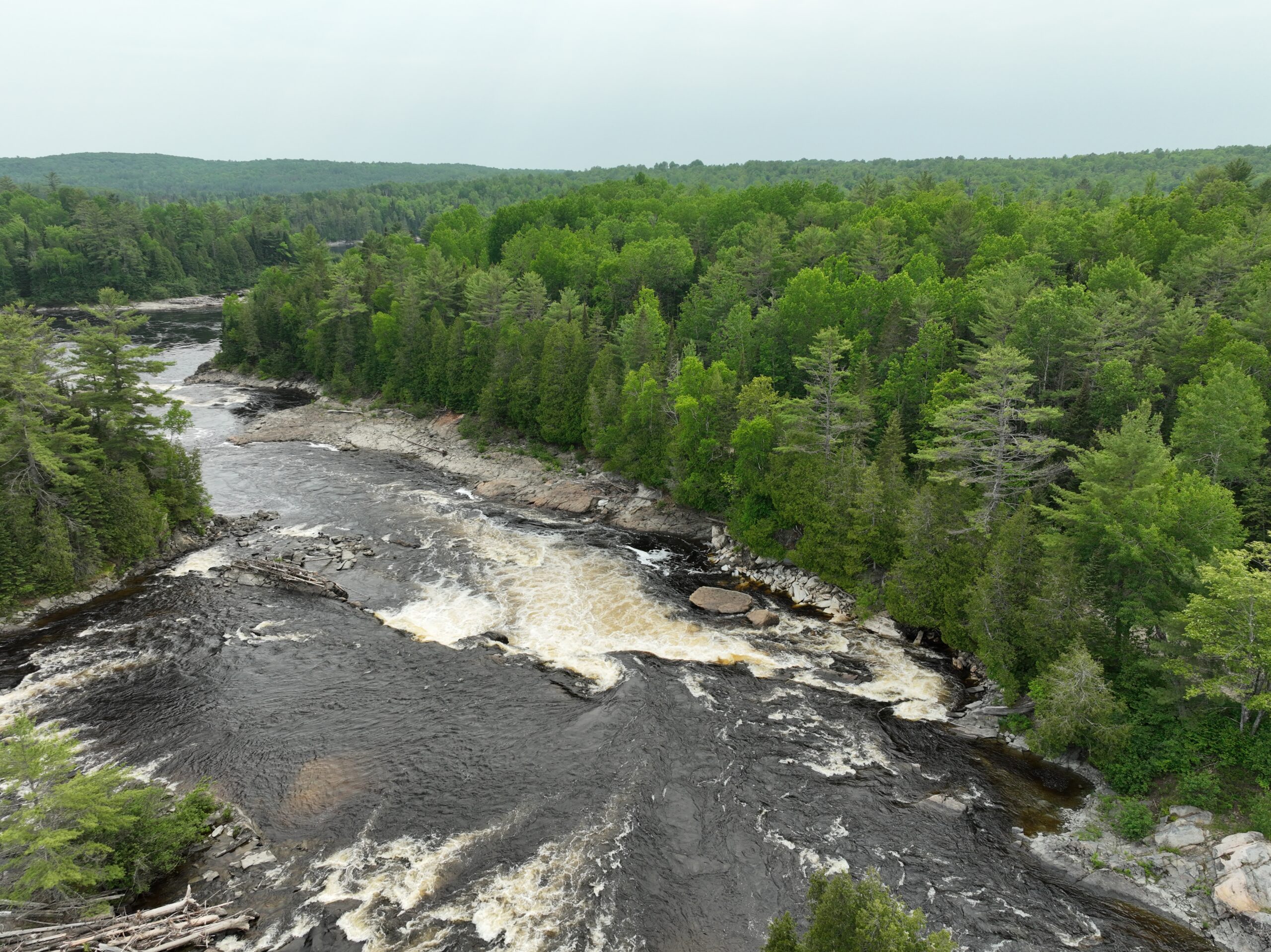
© Nagadjitòdjig Akì – KZA Guardians.jpg

IPCA Support Program

WWF-Canada’s Indigenous Protected and Conserved Area (IPCA) Support Program assists First Nations, Inuit and Métis communities and organizations as they consider, establish or manage IPCAs in their territories.

Indigenous Protected and Conserved Areas (IPCAs) are land, water and ice areas where Indigenous communities play a primary role in governance and stewardship, guided by their own laws and knowledge systems. They are sometimes also referred to as Tribal Parks, Salmon Parks, Inuit Protected Areas, APCAs (aires protégées et de conservation autochtone), etc.

Studies show that lands managed by Indigenous Peoples boast higher levels of biodiversity, reflecting thousands of years of stewardship experience. However, protected areas were historically established without involving Indigenous communities. This has often come at a high cost for those communities, as access to traditional territories is restricted, causing cultural and economic harm.

IPCAs, on the other hand, elevate Indigenous rights and responsibilities, support the revitalization of traditional practices, and strengthen local economies. When carbon-rich ecosystems are protected within IPCAs, they help keep carbon locked in nature, contributing to Canada’s efforts to reduce greenhouse gases.

Engaging with and supporting Indigenous communities interested in creating IPCAs is a step towards reconciliation and an equitable, effective and rights-driven way to safeguard habitat, reverse wildlife loss and reduce climate change.

The IPCA Support Program is supported in part by the Barrett Family Foundation.

What WWF-Canada is doing

WWF-Canada recognizes that exploring, establishing and maintaining IPCAs requires a wide range of supports and resources.

This is why WWF-Canada’s IPCA Support Program provides opportunities for funding, knowledge exchange, skills development as well as providing policy and technical research to assist Indigenous communities and organizations choosing to pursue this work.

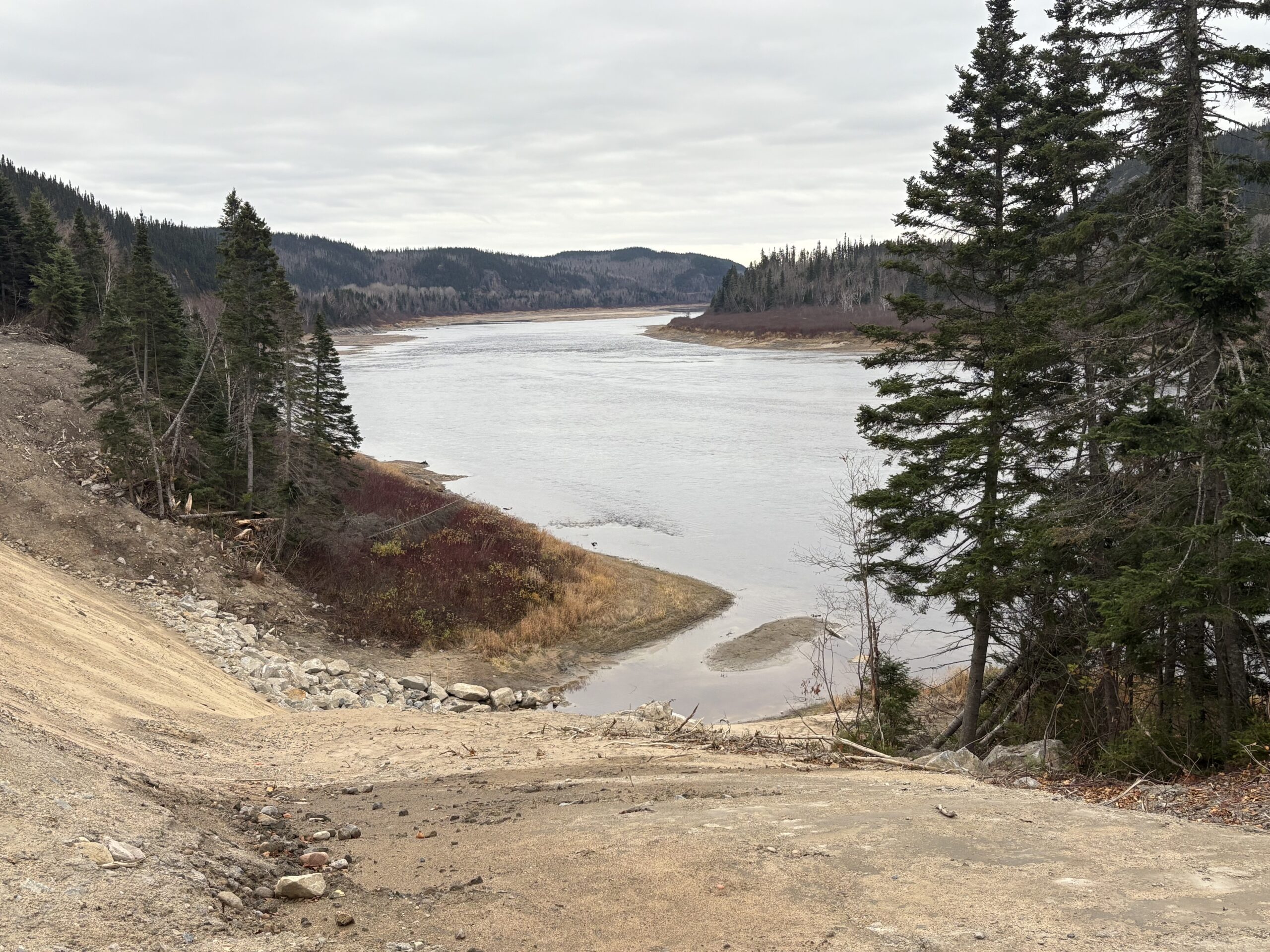
© Innu Takuaikan Uashat mak Mani-Utenam

IPCA Support Fund

Established in 2022, the IPCA Support Fund provides funding for up to three years to support Indigenous communities and organizations to consider or establish IPCAs:

  • Grants of $50,000 to $100,000 per year
  • One to three years of funding per recipient
  • Total funding envelope of approximately $500,000 per year

The IPCA Support Fund is fully allocated for 2026 and 2027. For any questions, or if you’d like to receive updates, please email [email protected]

Eligibility

The fund is open to all First Nation, Inuit and Métis communities, organizations and rightsholders within Canada. Projects may include non-Indigenous partners but must be Indigenous-led.

Eligible activities

The fund supports a wide range of activities, including:

  • Community discussions about interest in or approaches to creating an IPCA.
  • Exploring how to increase connectivity among IPCAs and with other conservation areas.
  • Early-stage community engagement and land-use planning to assist with the delineation of an IPCA.
  • Knowledge-exchange opportunities across generations, among Indigenous communities, and between Indigenous Knowledge Holders and Western scientists, a practice known as “Two-Eyed Seeing” or knowledge weaving.
  • Securing resources to support long-term IPCA stewardship and monitoring based on Indigenous-led priorities and knowledge.
  • Exploring community-based social, economic and environmental opportunities for and by Indigenous communities to sustain stewardship efforts.
  • Other priorities as identified by First Nation, Inuit and Métis communities that support the intention of the IPCA Support Fund.

Fund recipients

Since the IPCA Support Fund’s creation in 2022, WWF-Canada has supported ten First Nations or First Nation organizations across Canada in their IPCA initiatives. Recipients include:

  • Kitigan Zibi Anishinābeg
  • Miawpukek First Nation
  • Innu Takuaikan Uashat mak Mani-Utenam (ITUM)
  • Whispering Pines Clinton Indian Band
  • Cook’s Ferry Indian Band
  • Dene Tha’ First Nation
  • Nuxalk Nation
  • Caldwell First Nation

Recipients applied their funding across a wide range of activities driven by community priorities, including identification and mapping of IPCA sites, meetings and interviews with elders and knowledge holders, digitization of previously collected Traditional Knowledge, field and wildlife surveys, land-use studies and knowledge exchanges.
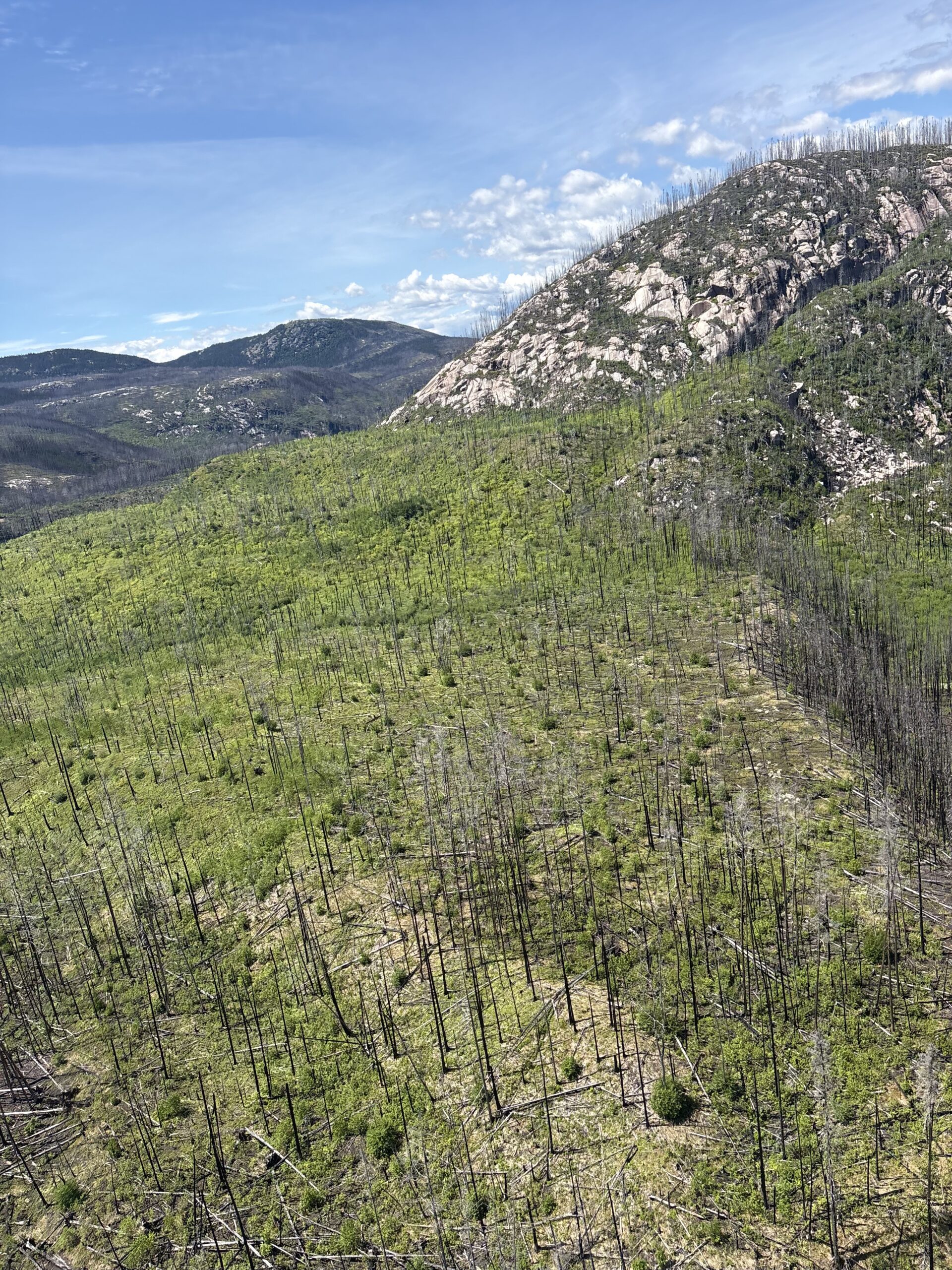
© Innu Takuaikan Uashat mak Mani-Utenam

Additional support for IPCAs

Beyond financial support, WWF-Canada also supports other stewardship activities by Indigenous community partners, including restoration, ecosystem monitoring and industry stressors related to IPCA development.