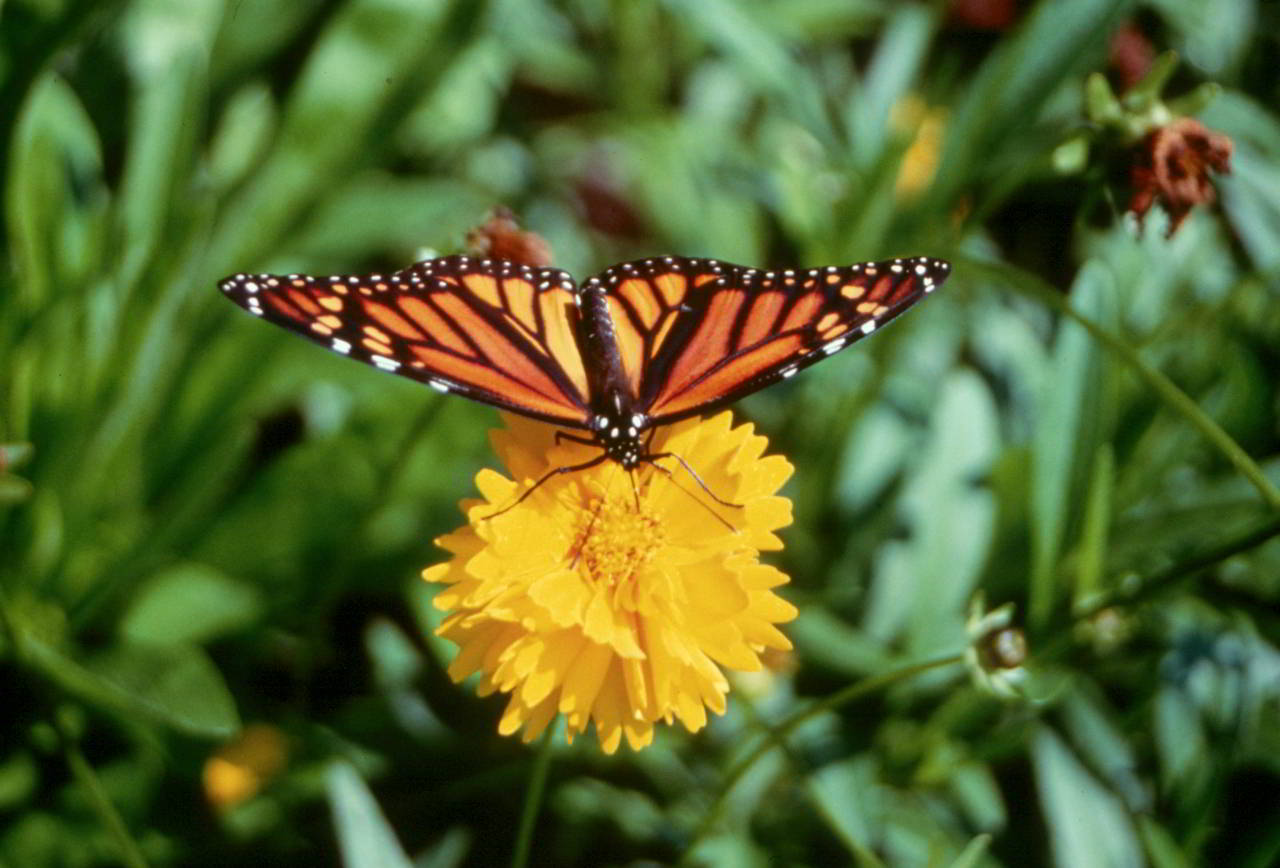
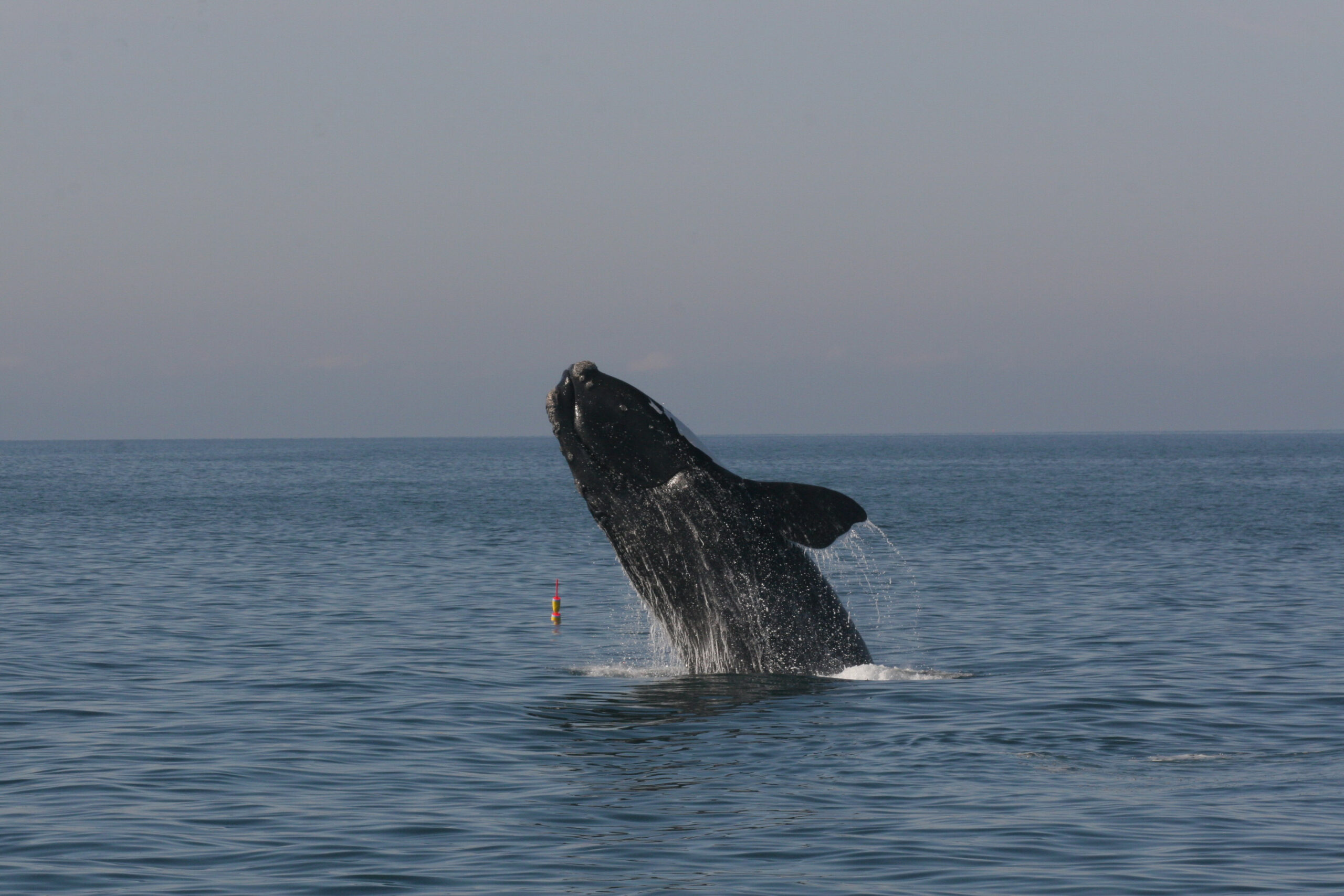
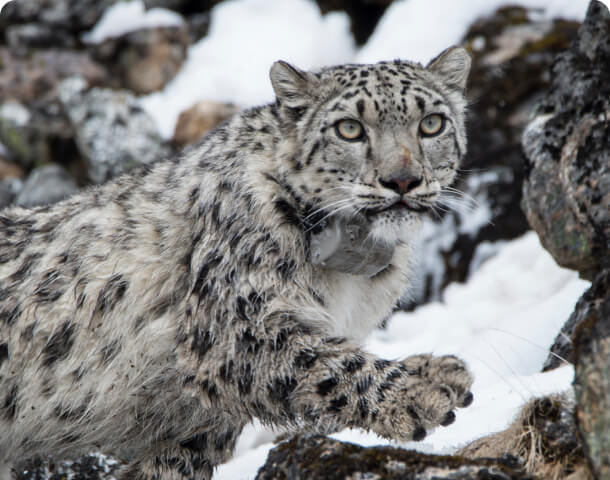
Species are threatened by multiple, compounding pressures. At a broad level, the main threats are:
WILDLIFE
Every day, WWF-Canada works to safeguard a growing number of at-risk species, to reverse biodiversity loss.
Every day, WWF-Canada works to safeguard a growing number of at-risk species, to reverse biodiversity loss.
Canada is home to about 80,000 species, many of which face numerous threats to their survival. Our most recent Living Planet Report Canada found that populations of at-risk species have declined 59% on average since 1970. We are committed to a different approach to conservation: One that effectively addresses multiple threats to biodiversity by applying the best science available and respecting Indigenous knowledge.
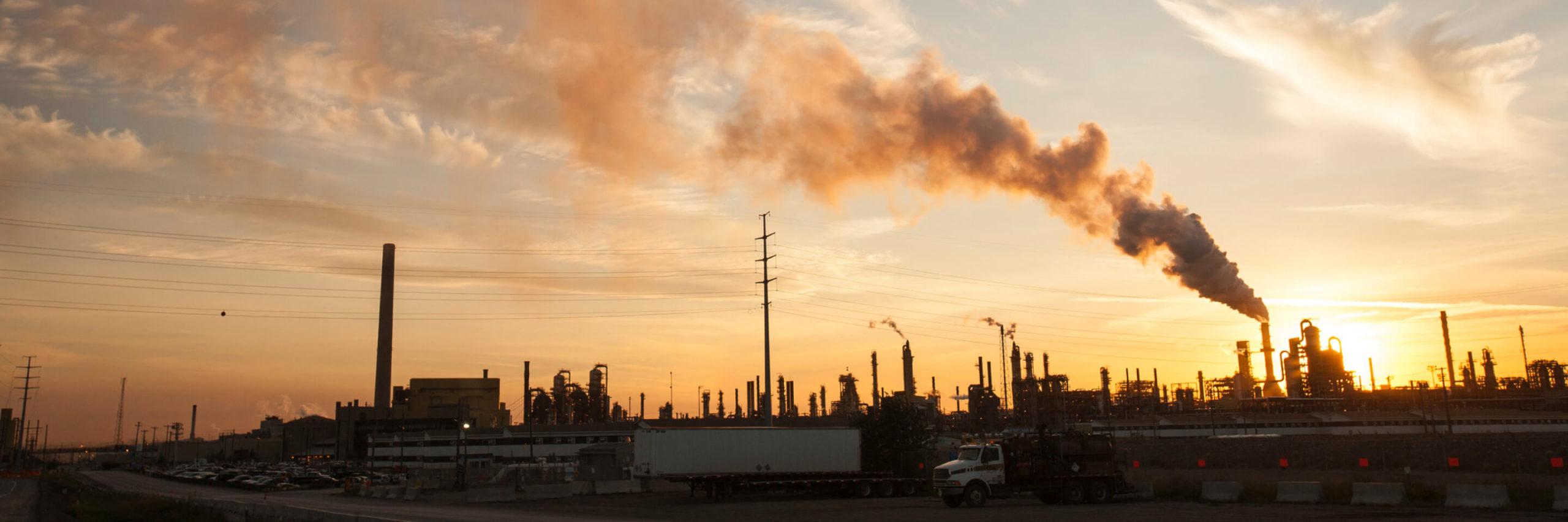
Species are threatened by multiple, compounding pressures. At a broad level, the main threats are:

Ecosystems can be exposed to many types of pollutants. From agricultural and industrial runoff to microplastics, contaminants can harm or kill plants and wildlife.

In Canada, the rate of warming has increased to nearly double the global average. A rapidly changing climate can make it more difficult for species to find food or migrate.

Habitat loss is the greatest threat to species in Canada and globally. Protecting and restoring natural habitats is one of the most effective ways to help wildlife.

Introduced species compete with native species for space, food and other resources. Some even prey on native species.

Over-exploitation of wildlife can be direct, such as unsustainable hunting, harvesting and poaching, or indirect, including bycatch.
In Canada, over 600 plant and animal species at risk are currently protected under the federal Species at Risk Act (SARA) and more than 150 additional species are under consideration to be added to the list.
A wildlife species that no longer exists.
A wildlife species that no longer exists in the wild in Canada, but exists elsewhere.
A wildlife species facing imminent extirpation or extinction.
A wildlife species that is likely to become endangered if nothing is done to reverse the factors leading to its extirpation or extinction.
A wildlife species that may become threatened or endangered because of a combination of biological characteristics and identified threats.
A wildlife species that has been evaluated and found to be not at risk of extinction given the current circumstances.
A category that applies when the available information is insufficient (a) to resolve a wildlife species’ eligibility for assessment or (b) to permit an assessment of the wildlife species’ risk of extinction.
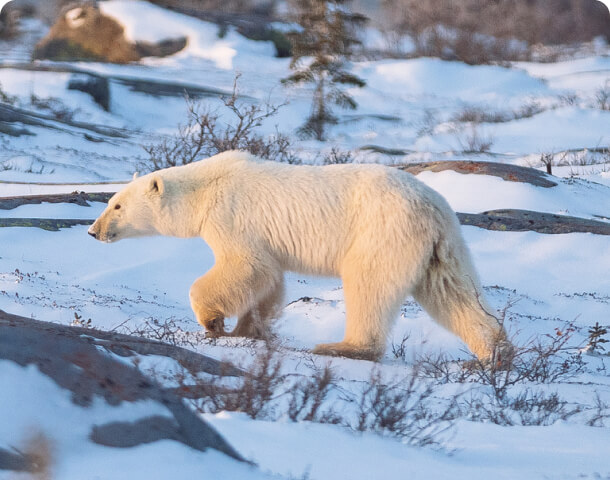
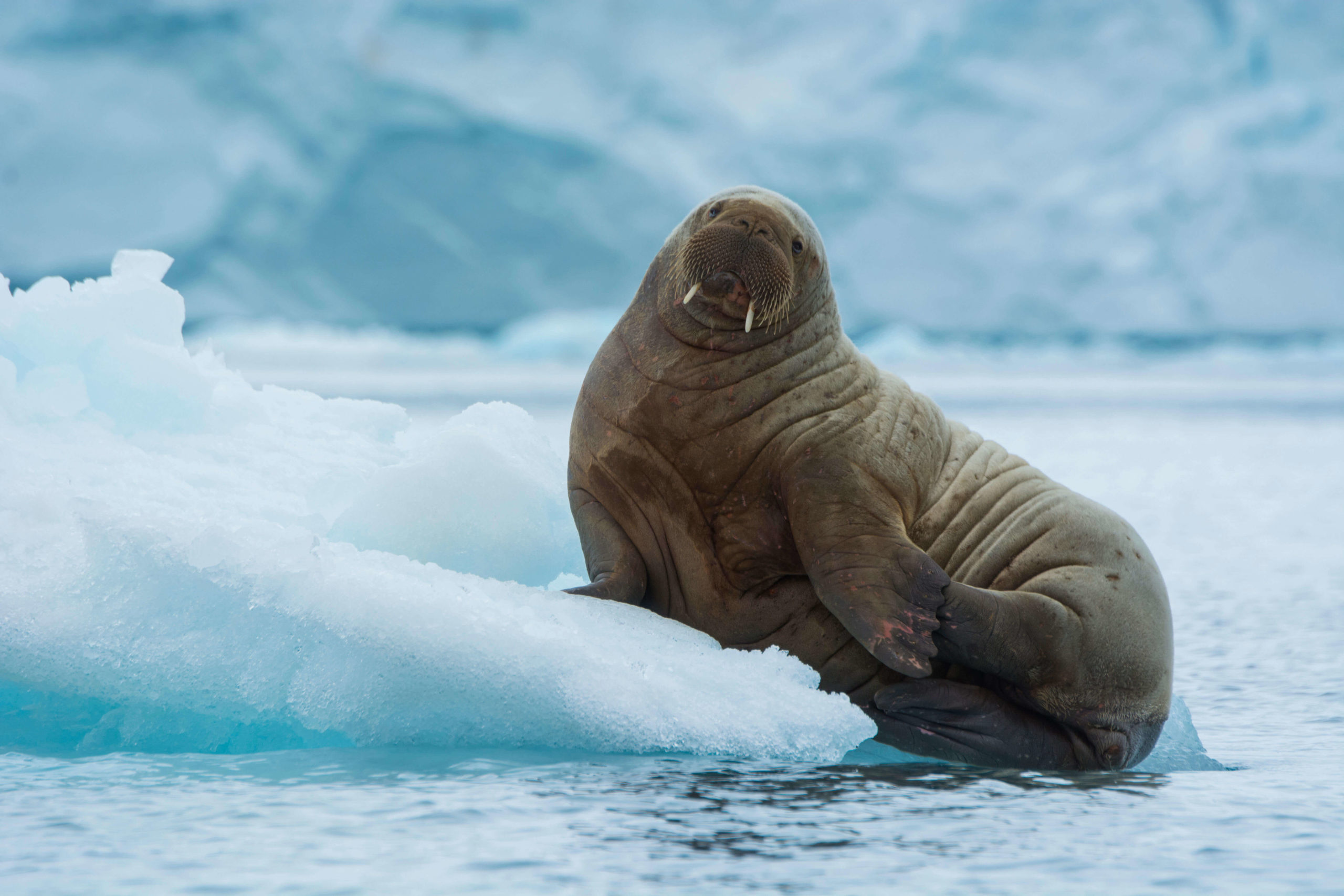
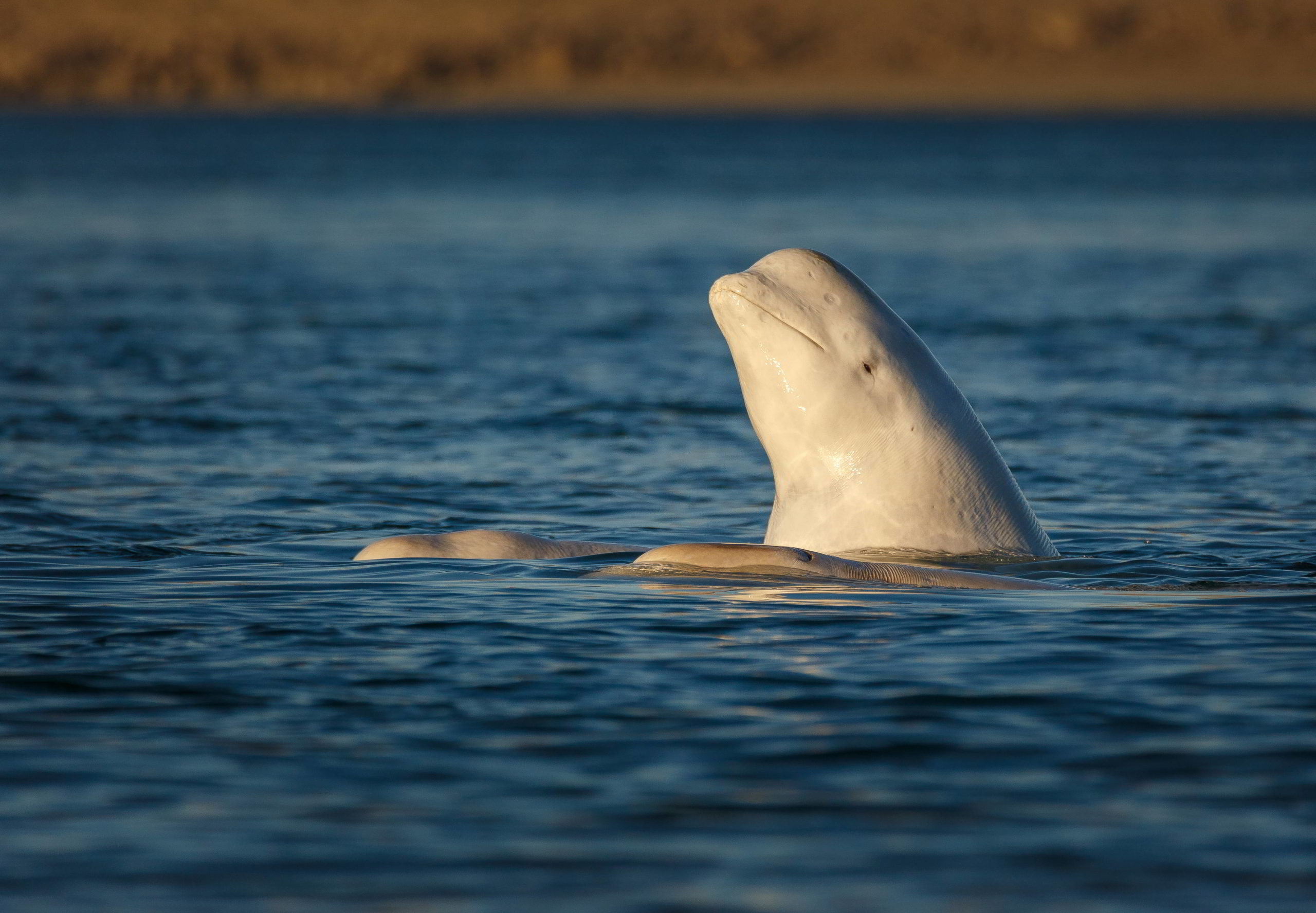
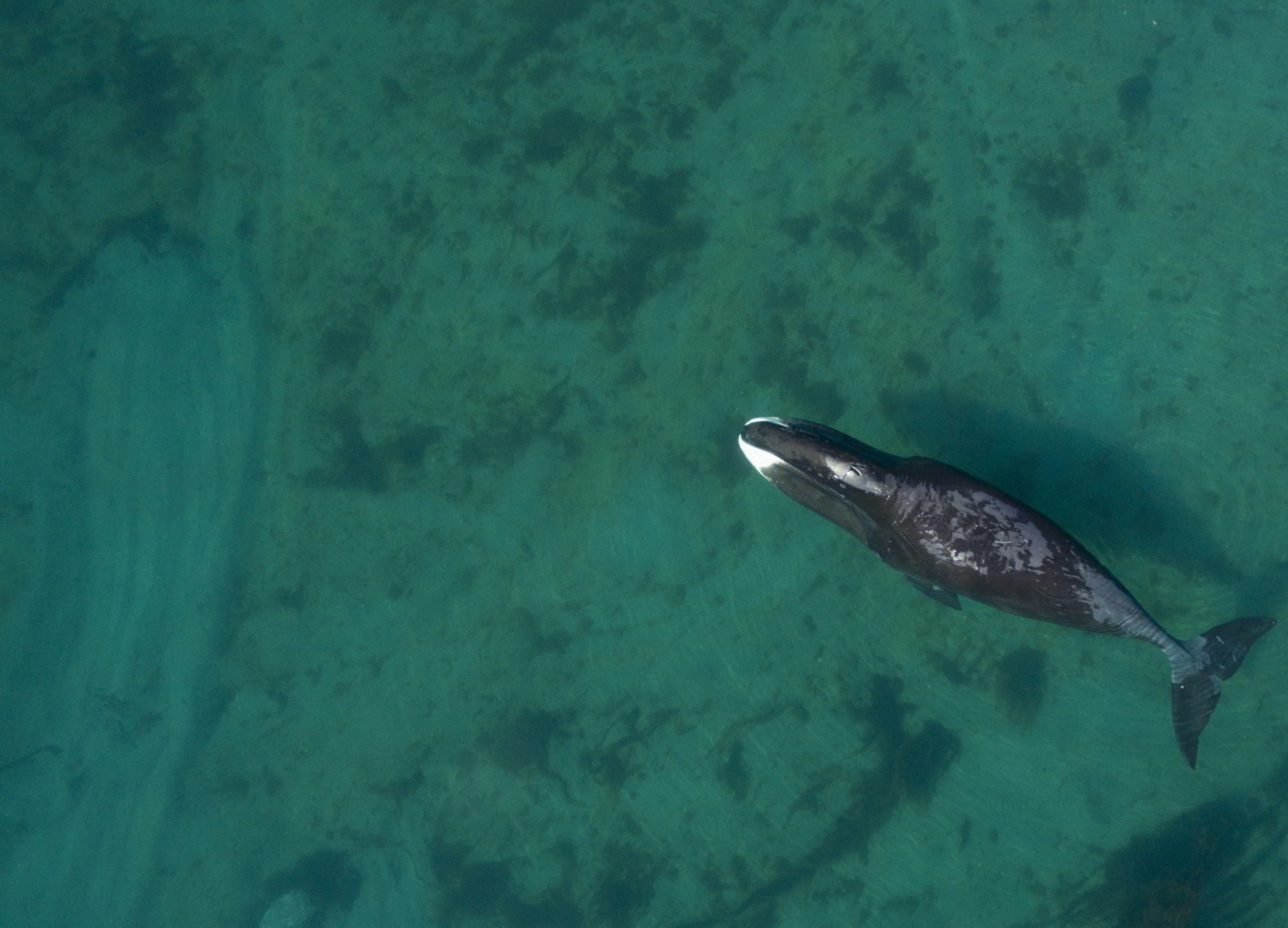
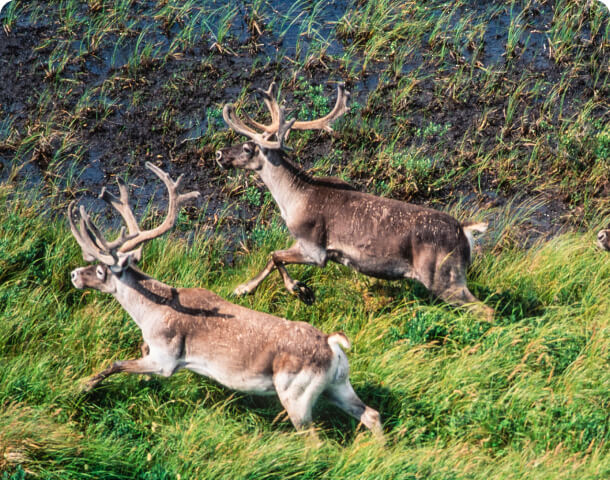
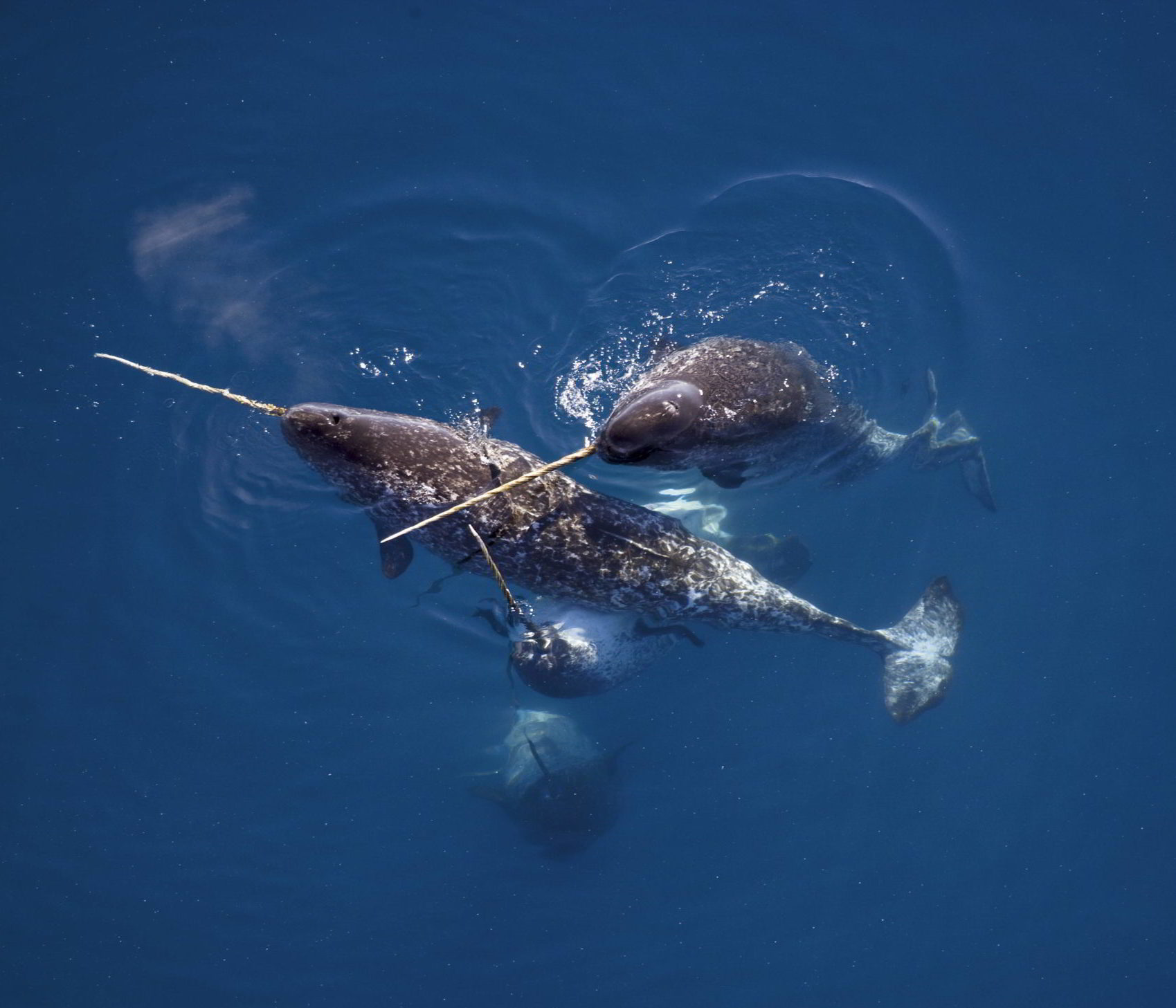
WWF works to conserve species at risk, protect and restore threatened habitats and address climate change. Drawing on scientific and Indigenous knowledge, we work to preserve the diversity and abundance of life in Canada and around the world. We find long-term solutions that benefit both nature and people. Through initiatives like our Arctic Species Conservation Fund, we support research on the polar bear, barren-ground caribou, walrus, narwhal, bowhead whale and beluga whale. The more we know about these species, the better we can protect them.
WWF-Canada’s Nature and Climate Grant Program helps communities and Indigenous organizations restore degraded lands and shorelines — , because when ecosystems are in good health, wildlife has a better chance of thriving. We also encourage groups and individuals to restore habitat, monitor species at risk, protect biodiversity and generate solutions to the conservation challenges facing their communities through our Go Wild Community Grants.
As the number of species at risk of extinction in Canada continues to grow, we are taking a new approach to species recovery. By implementing a new, rapid decision-making tool in the Wolostoq/Saint John River watershed in New Brunswick, we have identified the conservation actions that will have the greatest impact on the largest number of species, taking costs, benefits and feasibilities into consideration. And we have already begun to put them into action.
The fate of wildlife in Canada is in our hands. WWF-Canada’s Living Planet Report shows that wildlife is on a troubling decline. It’s time to come together and turn things around.
Help protect threatened species and their habitats.