
What underwater heat waves mean for the Great Barrier Reef
Australia is feeling the brunt of climate change. From more frequent and severe droughts and bushfires to cyclones and floods, climate change is impacting the country’s people, ecosystems and economy in profound ways.
Not even the magnificent Great Barrier Reef is immune. In fact, this natural wonder and its network of marine sanctuaries are at the very forefront of climate change.
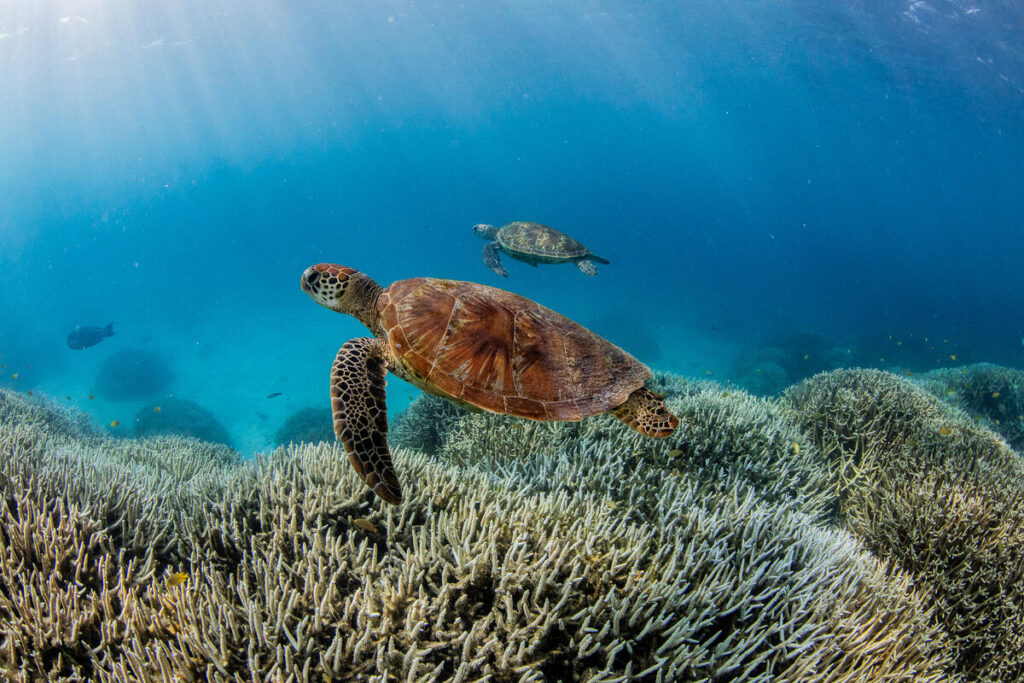
When underwater heatwaves hit, the impacts on the Reef can be devastating. Coral bleaching turns these verdant and vibrant underwater forests a ghostly white, during a transformation as graphic as it is heartbreaking.
What is coral bleaching, and what causes it?
More than 600 species of coral live on the Great Barrier Reef, creating the colour and beauty for which this World Heritage Area is prized.
Like trees, coral acts as food and habitat for millions of other creatures that call the Reef home.
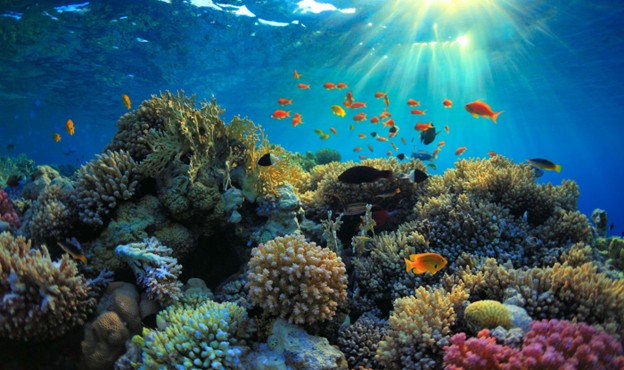
Coral is actually made up of colonies of very small creatures known as polyps, which are closely related to jellyfish. In one of the marine kingdom’s many splendid relationships, the polyps allow beneficial algae called zooxanthellae to live within their tissues. In return for the safe home, the algae provide the building blocks for the coral’s outer limestone skeleton, as well as its vibrant colour.
The last decade was the hottest in recorded history, and, since 1910, the surface temperature of seas surrounding Australia has increased by over 1°C.
Warmer water temperatures, especially when they persist for eight weeks or more, are catastrophic for corals. It causes them to expel their resident zooxanthellae, and the corals begin to die.
A series of underwater heatwaves in recent years has accelerated this devastating process, leaving the corals colourless (bleached) and the polyps vulnerable to disease and starvation. Coral mortality has increased with each subsequent underwater heatwave.
The deadly toll
Underwater heatwaves caused by rising temperatures threaten marine ecosystems around the world. Over the past 40 years, about half of all coral reefs are estimated to have been lost. Much of the living coral reef in the Great Barrier Reef Marine Park has now been damaged. In some sections, up to 90 per cent of corals have been affected.
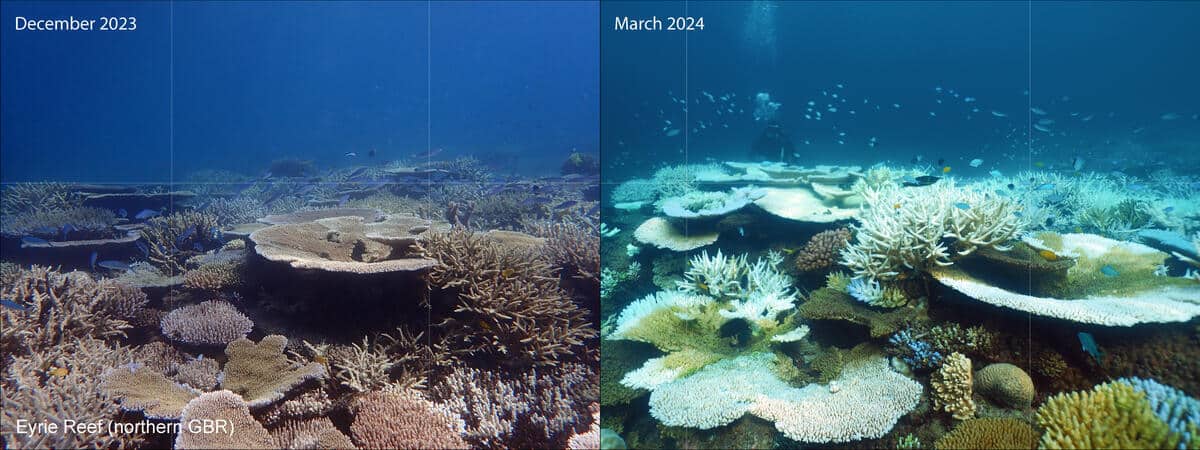
The last five years have been particularly brutal, with the Great Barrier Reef suffering widespread coral bleaching in 2016, 2017, 2020, 2022, 2024 and again in 2025.
In the summer of 2016, the Reef experienced its worst coral bleaching ever, with an area roughly 1,100 kilometres long affected. A year later, a second severe bleaching occurred. Early research indicates that almost half of all coral in the 345,000-square-kilometre Great Barrier Reef Marine Park may have died in these two events. But the worst was yet to come.
In 2020, the Reef experienced its most widespread bleaching on record. Around 2,300 kilometres of coastal reefs were severely impacted, from the Torres Strait in the north, down to the Reef’s southern boundary. This third mass bleaching event in five years impacted parts of the southern Reef for the first time.
The bleaching event of 2022, which occurred during a La Nina weather system, when the weather is typically cooler, cloudier and wetter, heralded a worrying new trend. In 2024, following the hottest year on record, almost half of the Great Barrier Reef experienced record levels of heat stress that caused extensive bleaching, making it one of the most severe and widespread instances of this phenomenon. Prolonged heat stress triggered a sixth mass bleaching event in 2025.
What’s clear is that the very existence of the largest living structure on the planet is threatened. And along with it, the delicate web of marine life that depends on the Reef, including fish and turtles.
What can we do?
As climate change continues to heat our planet, coral bleaching is expected to become more severe and more frequent.
Should global temperatures rise between 1.5 and 2°C above pre-industrial levels, the frequency of underwater heat waves will increase.
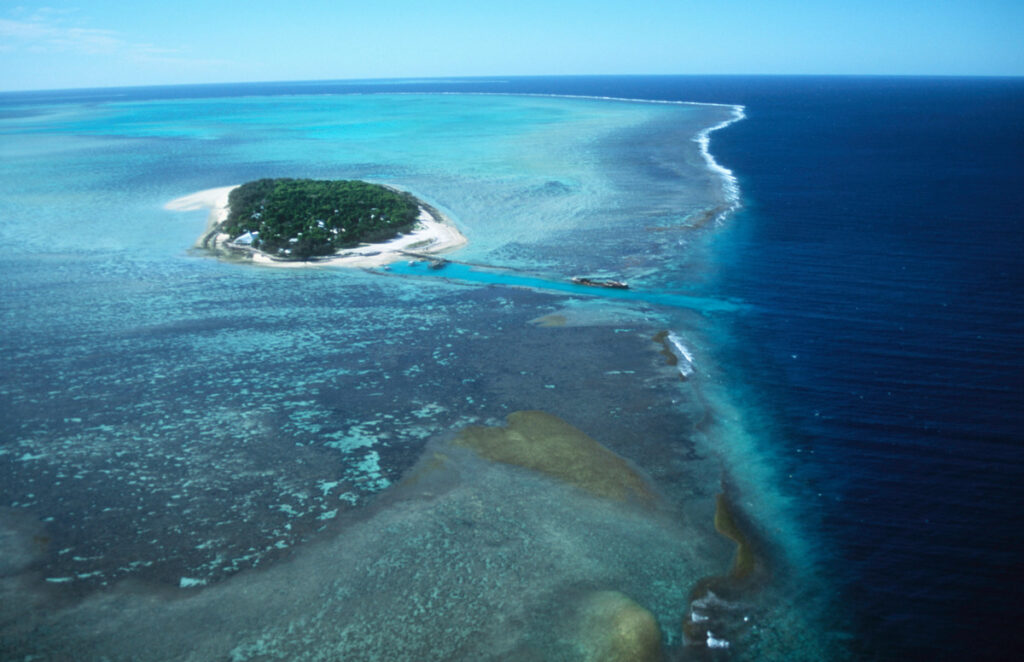
If the planet should warm by 2°C, heatwaves will rise four times this, and we will lose the Great Barrier Reef altogether.
But there is hope. The good news is that bleached coral is not dead coral. Stressed coral can recover if water temperatures cool down in time and the coral is not subject to repeated underwater heatwaves.
There is hope for our planet and for our Reef if Australia acts now to limit global temperatures to 1.5°C.
Australia can do this, right now, by transitioning its economy away from coal and gas. In driving down greenhouse gas emissions, Australia can provide economic opportunities with significant environmental returns all while protecting the Reef from further temperature rises. Given time, the Great Barrier Reef can recover.
An earlier version of this article was published by WWF Australia.
Learn more about how WWF is working to protect the Great Barrier Reef. Or, watch and listen to the first episode of WWF-Canada’s podcast, Good Nature, featuring Andy Ridley, CEO of Citizens of the Reef (and Earth Hour co-founder) about how citizen science is advancing reef resilience.