To protect our maple syrup fix, we need to fix our maple forests
The unmistakable smell of maple syrup holds a special place in Canadian homes, memories and culture. For many of you, it’s the scent of family breakfasts, cottage mornings or sugar shacks deep in the woods. For me, it’s the scent of childhood.
I grew up in Quebec, in a region surrounded by maple forests. Each spring, I’d spend weekends at our family’s sugar shack and wander beneath those towering trees, sun shining, snow melting and the air filled with the sweet smell of boiling sap water.
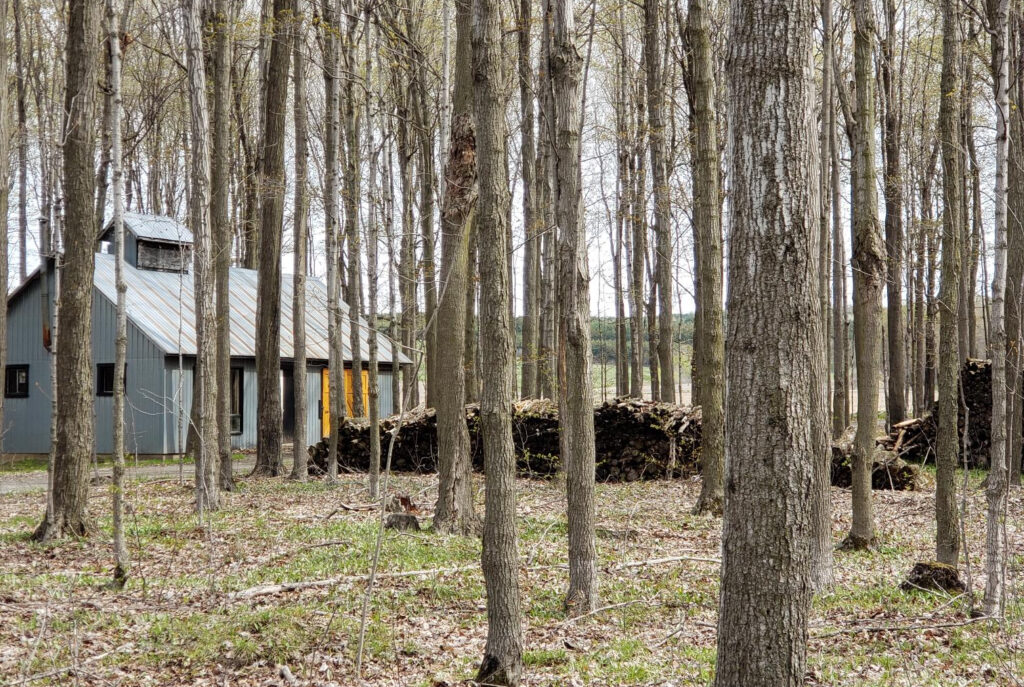
But lately, it worries me to see just how much the Canadian maple forests I loved as a child have changed. The remarkable birdsong symphony that used to accompany every walk has been replaced by silence. This realization led me to take a closer look at the maple forest ecosystem.
Over decades, many of these maple forests have been degraded to maximize short-term syrup production. Non-maple tree species have been removed and the forest understory, a vital layer of plants and shrubs that shelter wildlife and feed the soil, has been stripped away.
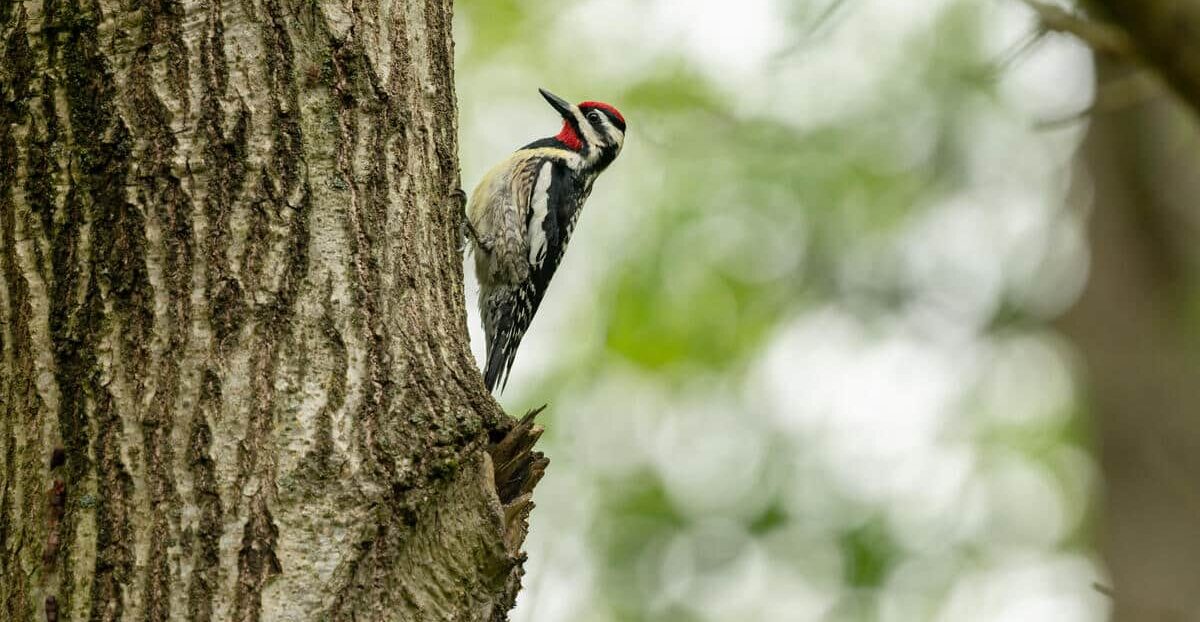
What’s left are oversimplified forests that no longer offer a suitable habitat for endangered animals like the wood thrush and the tri-coloured bat. Researchers estimate that most of our sugarbushes are now monocultures, where 95 per cent of the forest is the same species — sugar or red maple.
Diversity gives a maple forest its strength. Without it, these ecosystems grow weaker — less able to support wildlife, store carbon or withstand the effects of climate change.
It’s hard to imagine a Canada without vast maple forests, the wildlife they harbour, and the syrup they produce. But that future is possible, if we don’t act.
With the help of supporters, we can make maple forests healthier, more diverse and more resilient — for wildlife, local communities and our climate by ensure these vital partnerships and programs can continue to make a difference:
• WWF-Canada’s Maple Initiative is uniting those who know maple forests best: sugar bush owners, maple syrup producers, forest engineers, academic experts and environmental organizations to collaborate on solutions that benefit both wildlife conservation and maple syrup production.
• A how-to restoration program is being developed for landowners. It will offer training on assessing forest health, and guidance on forest management practices, such as which non-maple native species to plant.
• A bird study is being conducted across several maple forests because birds are one of the best ways to measure forest health. The study will help us learn how different management practices might influence the presence of these species.
All these maple forest conservation efforts are part of a larger plan that we call Regenerate Canada. It’s WWF-Canada’s ambitious, 10-year roadmap to reverse wildlife loss and fight climate change.
By helping us strengthen maple forests, you’re expanding habitats for species at risk, lowering the impacts of industry on nature and reducing the amount of carbon in the atmosphere. You’re also shaping the bigger picture for nature and people: getting our future back on track.
Let me paint a clear picture of what happens when a maple forest loses its diversity and becomes a monoculture.
First off, these forests become far less resilient. They’re harder hit by climate-related weather impacts, such as receiving less snow, erratic temperature fluctuations, superstorms and an increase of invasive species. Making these climate matters worse, monoculture forests sequester less carbon.
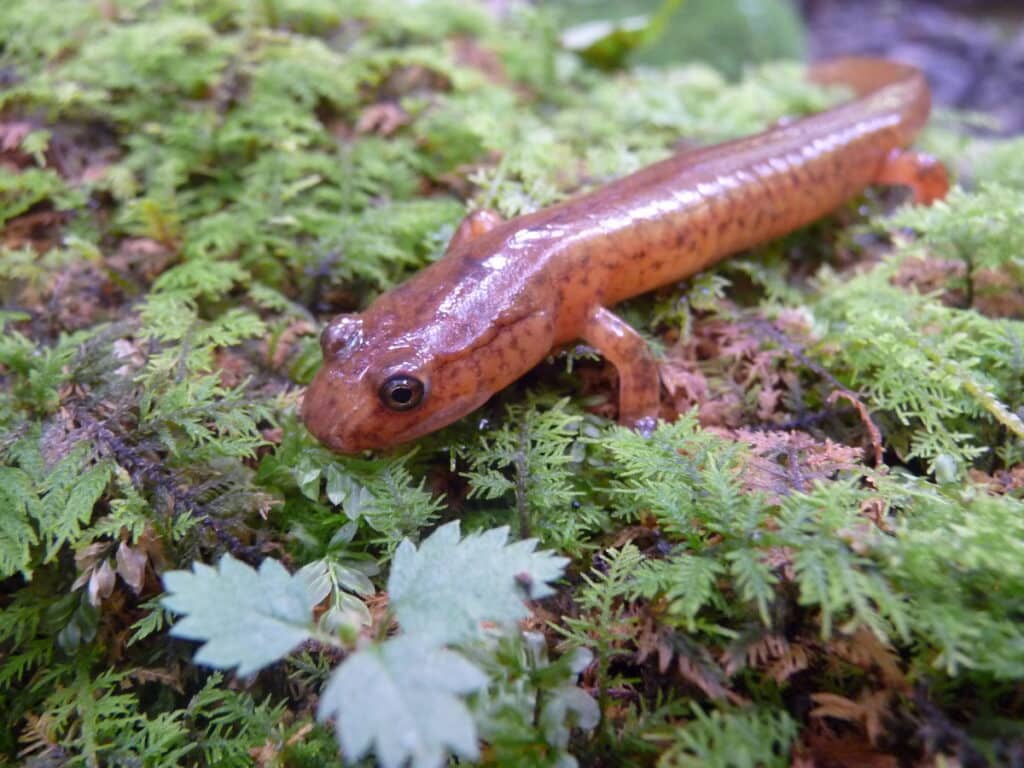
Secondly, without a mix of trees and plants, maple forests can no longer provide the rich, varied habitat that wildlife needs. Threatened species like the wood thrush and spring salamander lose their homes and struggle to survive.
And finally, with fewer trees and less shade, wind and sunlight reach the forest floor more easily, drying out the soil. That dry soil can’t support the tiny insects that form the base of the food chain. When animals like the ovenbird lose their primary food source, it creates a chain reaction which can ultimately lead to their decline. Dry, depleted soil also weakens the trees themselves. It disrupts the way they absorb water, grow and produce sap.
That’s right: the very practices used to boost maple syrup production today are actually harming its long-term future. In fact, it’s estimated that by 2040, maple syrup production in southern Quebec will no longer be profitable. And by 2060, it may not be possible at all.
While most of my work is focused on Quebec, maple forests face similar threats in southern Ontario and New Brunswick. Those regions, where the human footprint is highest, also represent the greatest potential for restoration. That’s why, to truly halt and reverse wildlife loss and fight climate change, we need to prioritize our efforts across southern Canada.
There’s a reason the maple leaf is the lone symbol on our flag. It represents the strength, resilience and abundance of our country. We can’t let the real forests behind that symbol fade away.
Until March 19, 2026, your donations are matched* in support of WWF-Canada’s Regenerate Canada initiatives. Your gift will help us bring back the diversity these forests need to thrive, shelter wildlife, fight climate change, and sustain the communities that depend on the maple industry. And next time you open a can of maple syrup, I hope you’ll think of the forests and wildlife you’ve helped protect.
*Solar Club™ has agreed to match all one-time donations to this campaign gifted on or before March 19, 2026, dollar for dollar up to a total of $30,000, in support of Regenerate Canada initiatives.