Protecting Pikialasorsuaq: Inuit leadership and an Arctic Ocean oasis in the Last Ice Area
By Victoria Qutuuq Bushman, Inuit Circumpolar Council (Greenland)
Inuit have thrived in the Arctic since time immemorial, developing holistic, intimate knowledge of our lands, waters, ice, animals and ecosystems over generations. Living across national borders, Inuit have identified Pikialasorsuaq — in the southern reaches of the Last Ice Area — as an important region that deserves special care.
As marine management advisor Victoria Qutuuq Buschman writes, recent community workshops show why Inuit knowledge, rights and leadership must remain at the heart of decisions about Pikialasorsuaq and the broader Last Ice Area.

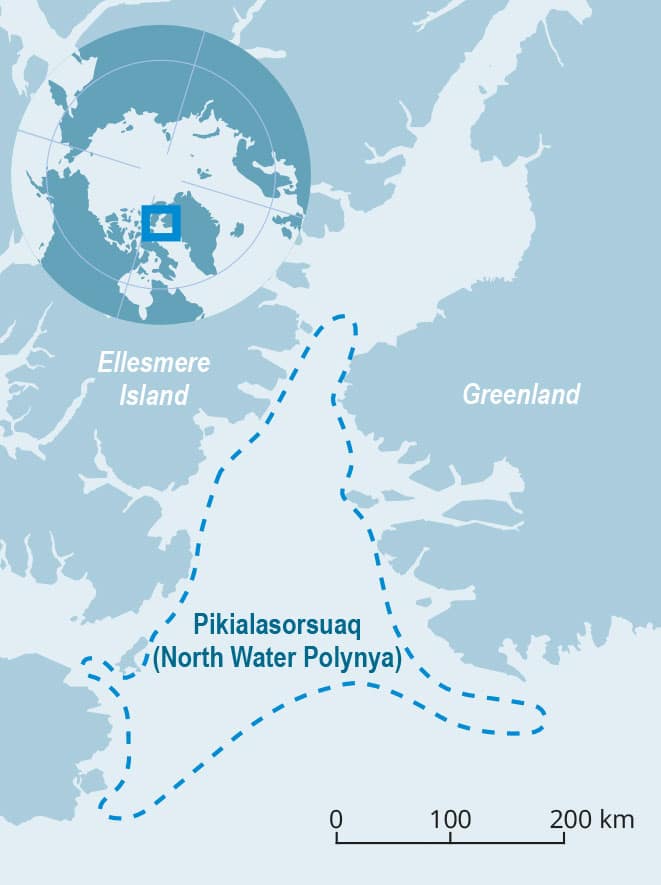
The Inuit Circumpolar Council (ICC) first began organizing and leading discussions with Inuit hunters, fishers and other knowledge holders on shared concerns and aspirations for Pikialasorsuaq (called Sarvarjuaq by Inuit in Nunavut and known as the North Water Polynya in English) back in 2013. The focus has always been on safeguarding it for Inuit interests and future generations.
The Pikialasorsuaq Commission was eventually established, and its work has produced three primary recommendations: to establish a management regime and authority led by Inuit; to identify a protected area and management zone that reflects the connections between communities, their natural resources and the polynya; and to establish a free travel zone across national borders for Inuit.
Inuit voices at the heart
From 2024 to 2025, ICC Kalaallit Nunaat (Greenland) hosted a series of co-developed workshops with Inuit hunters and fishers in five communities connected to Pikialasorsuaq.
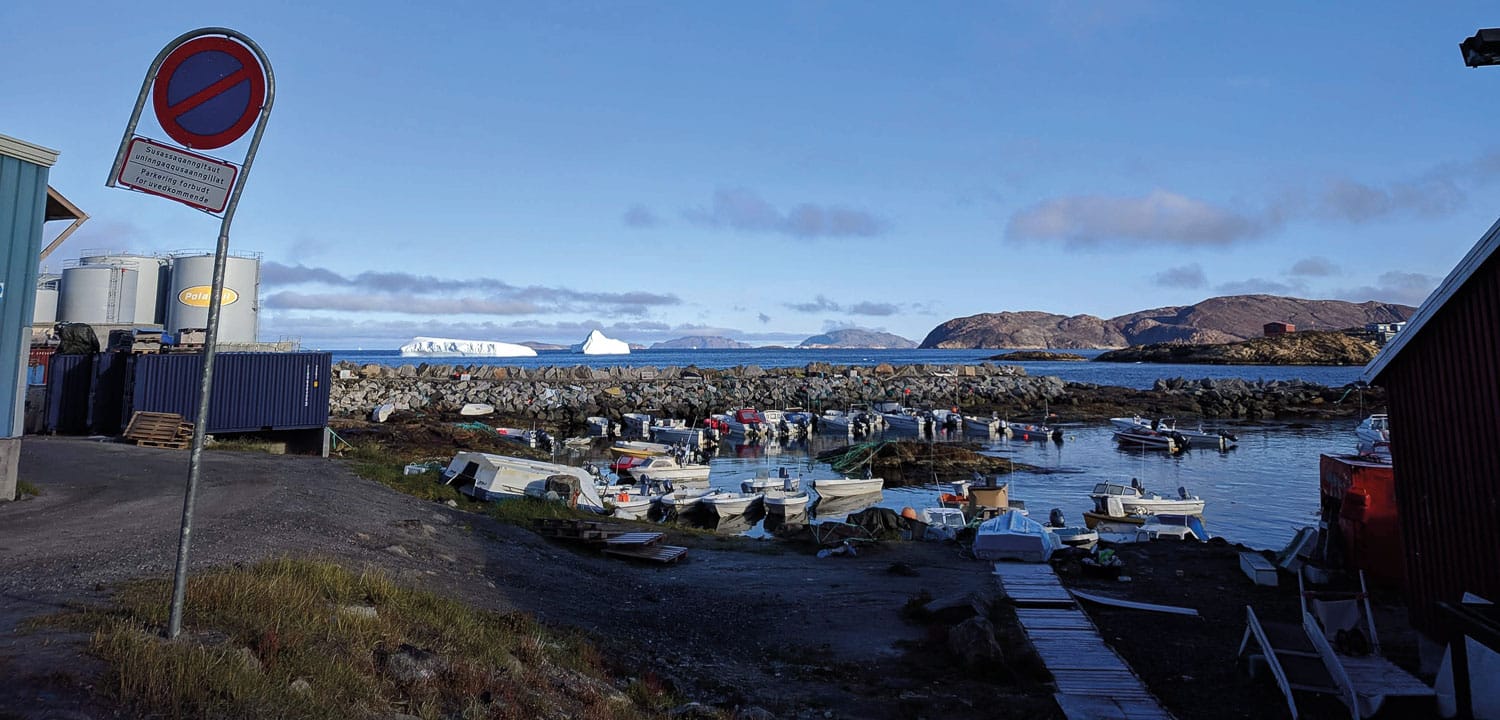
These five workshops — which took place in the northern Greenland communities of Qaanaaq, Hiorapaluk (Siorapaluk), Haviggivik (Savissivik), Upernavik and Kullorsuaq — responded to continued interest among community members in ensuring that Inuit voices are at the heart of the area’s design, establishment and development.
Working with 42 hunters and fishers from these communities, we learned about how they use marine areas as well as about their individual and community-wide economies and the ecosystems and biodiversity that are found between Kalaallit Nunaat (Greenland) and Nunavut (Canada).
Participants emphasized the recent effects of climate change, governance and globalization on marine mammals, birds and fish as well as changes in how Inuit use these species and sustain their livelihoods.
Protection for Inuit rights
The workshops yielded insights into five main topics: marine ecology, wildlife management, traditional economies, marine governance, and research governance as it relates to decision-making for Pikialasorsuaq, with possible implications throughout the Last Ice Area.
These key messages included a resounding call for the protection of Inuit rights, including the right to self-determination. They also highlighted the need to keep a close watch on changing climatic conditions, ecosystem function, changes in species populations across space and time, and interspecies relationships.
Ultimately, the workshops underlined the innate value and role of Pikialasorsuaq in sustaining and nourishing these communities physically, mentally, emotionally, spiritually and culturally.
As we begin to think more about the broader Last Ice Area and the Central Arctic Ocean, Inuit have much to share in terms of knowledge, cultural practices, management strategies and resource use. This knowledge should continue to shape debates around advancing Arctic biodiversity and conservation.
As we consider future ways forward, one message is crystal clear: Inuit homelands must remain in the hands of Inuit.
This article was originally published in the WWF Global Arctic Programme’s magazine, The Circle