Our top 10 fave Arctic fox facts
Arctic foxes are clever predators and intrepid travellers. While their populations remain stable globally, climate change is warming the Arctic at three times the global average, reshaping these frigid ecosystems in ways that could affect this fox’s future.
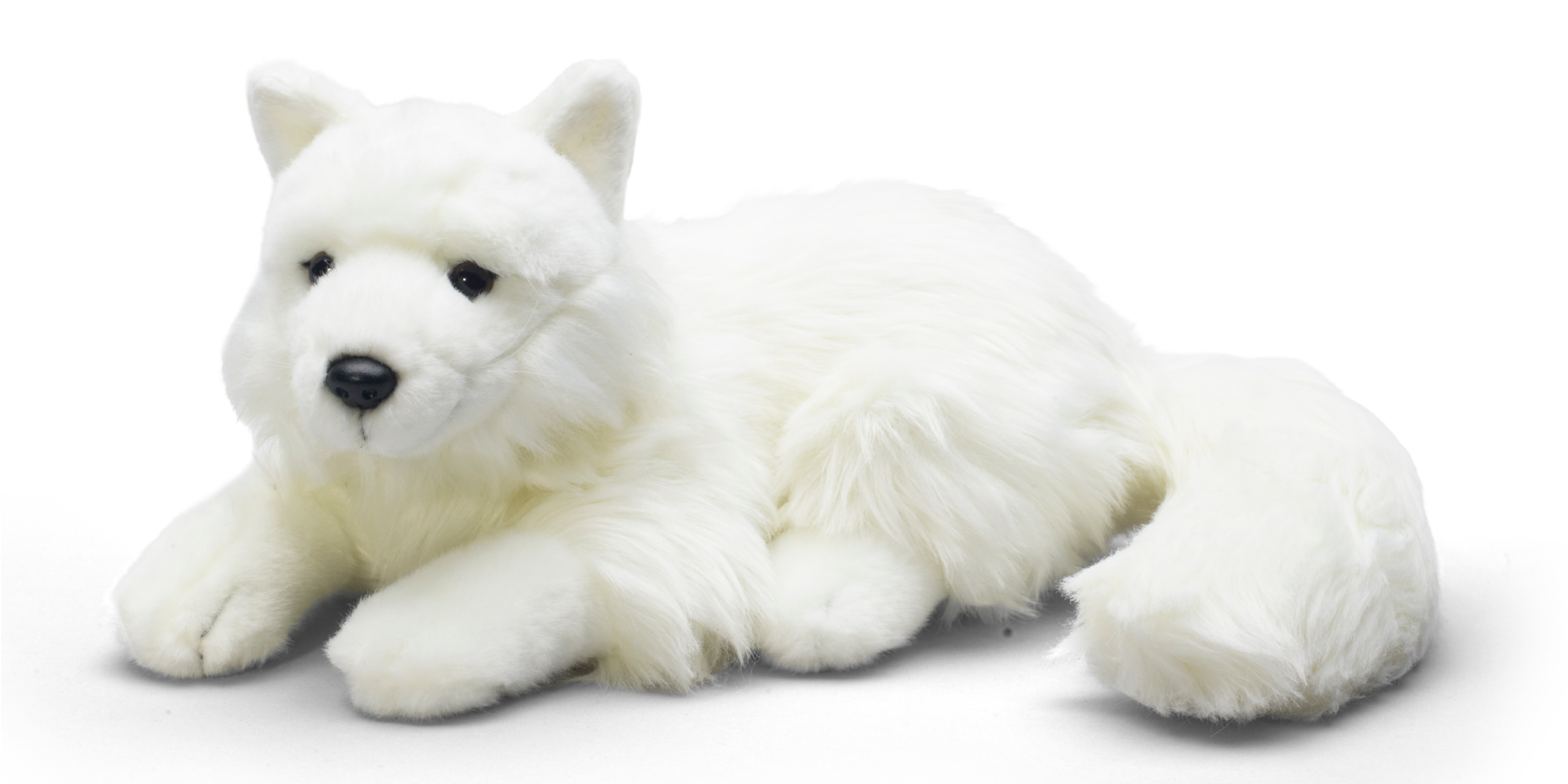
Here are 10 fascinating facts about this iconic and (mostly) white-coated cold-weather fox. If you’d like to help support the future of species like the Arctic fox, you can donate or symbolically adopt an adorable plush.
1. Arctic foxes live across the circumpolar Arctic
Arctic foxes can be found in the northernmost regions of North America, Europe and Asia, as well as Greenland and Iceland. Their habitat is predominantly terrestrial, though they’re also known to follow migrating prey across sea ice. Their huge geographic range is a testament to this species’ ability to adapt to all kinds of conditions, including those brought on by climate change.
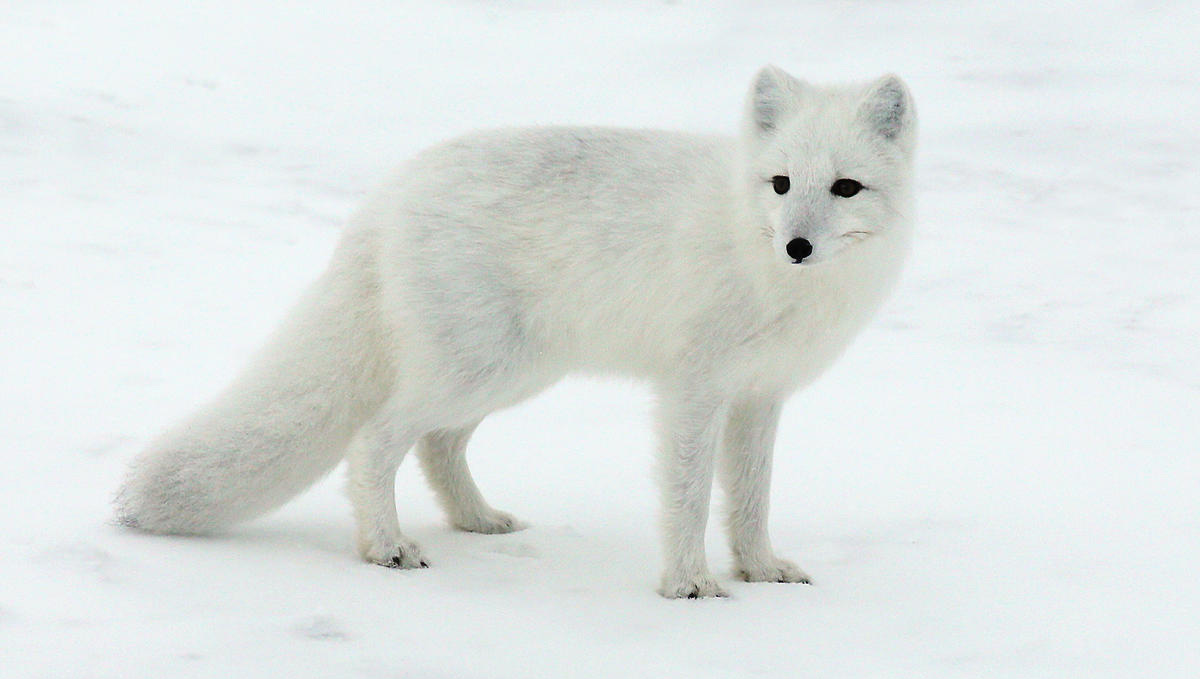
2. Arctic foxes change fur colour depending on the time of year
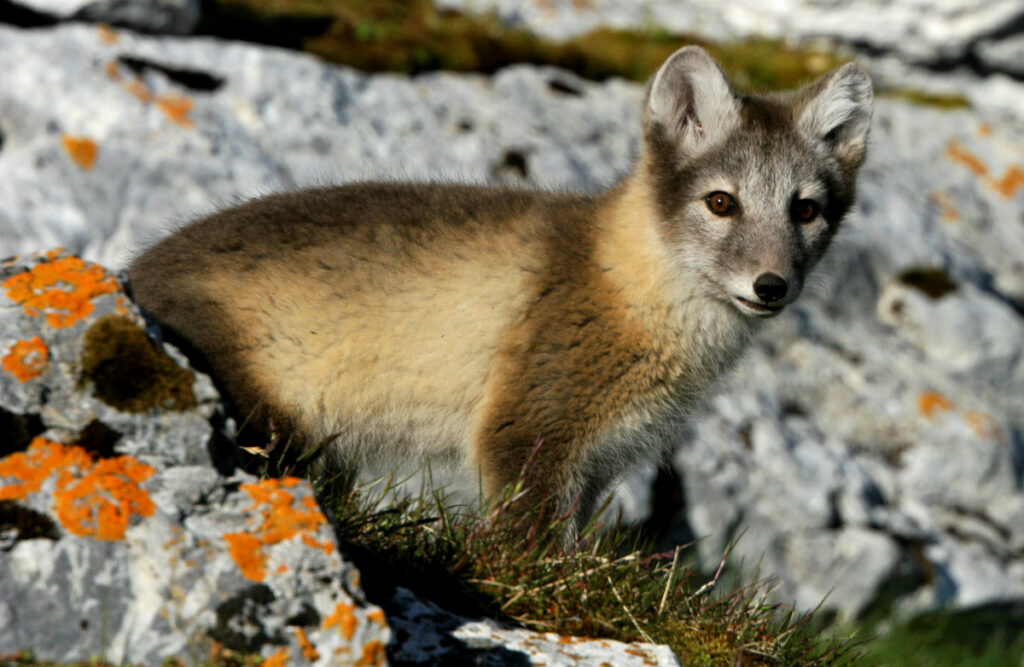
Different seasons create different climatic conditions and opportunities for the Arctic fox, so their fur colour changes to help blend with their surroundings. In the winter, their fur changes into the iconic thick white coat. But as summer arrives, Arctic foxes shed that coat for a shorter, thinner fur, which can range from dark and light grey to charcoal brown to bluish brown. Under their fur, Arctic foxes have a darker skin pigmentation, just like polar bears, which is better at absorbing and retaining heat, an evolutionary advantage in colder environments.
3. Arctic fox populations fluctuate in response to lemming numbers
Arctic foxes depend on lemmings as their main food source in inland areas, creating a tight-knit predator-prey relationship. Most fox population sizes go up or down in response to lemming population size, which can crash at regular intervals, increasing the vulnerability of the Arctic fox populations.
Global Arctic fox numbers remain stable. But regionally, such as in Manitoba, research suggests sharp declines in lemming populations are linked to rising temperatures and the degradation of snow and ice quality. This has experts concerned that corresponding slumps in Arctic fox numbers might indicate a longer-term problem.
4. Arctic foxes have a “green thumb”
Research in Manitoba also shows that Arctic fox dens can act as biodiversity hotspots. Their denning activities fertilize the tundra by leaving behind bones and carcasses from prey that decompose and enrich nutrient-poor soils. Their waste also adds nutrients, further helping to create lush green patches in the spring and summer months.
5. Arctic foxes are built for cold
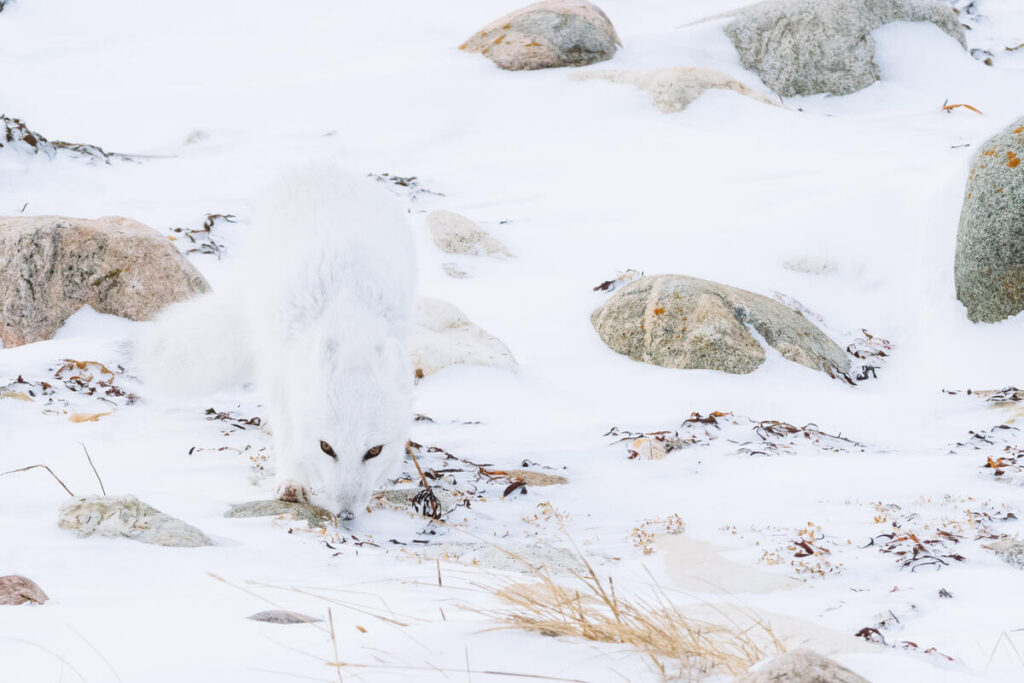
Well-suited to frigid environments, Arctic foxes are much smaller, stouter and more compact than other types, which reduces heat loss due to their lower total body surface area. The thickness of their fur increases during winter to help maintain a stable core body temperature, and they have fur tufts on their paws as barriers against snow and ice. When conditions get tough, or it’s time to have pups, their dens offer a place to warm up and rest, and foxes can even slow their heart rate and metabolism to conserve energy.
6. Arctic foxes snow-dive for dinner
Lemmings are an Arctic fox’s favourite prey, but they live in a complex network of tunnel systems buried deep within the snow, protecting them from aboveground predators. Arctic foxes carefully listen for lemmings moving or burrowing underneath the snow to pinpoint their location, then jump several feet in the air and nosedive into the snow to catch their prey.
7. Arctic foxes have short lifespans
The survival rate of adult Arctic foxes in the wild varies depending on the region, food availability and number of predators in the area, but they usually live for three or four years.
8. Arctic foxes like polar bear leftovers
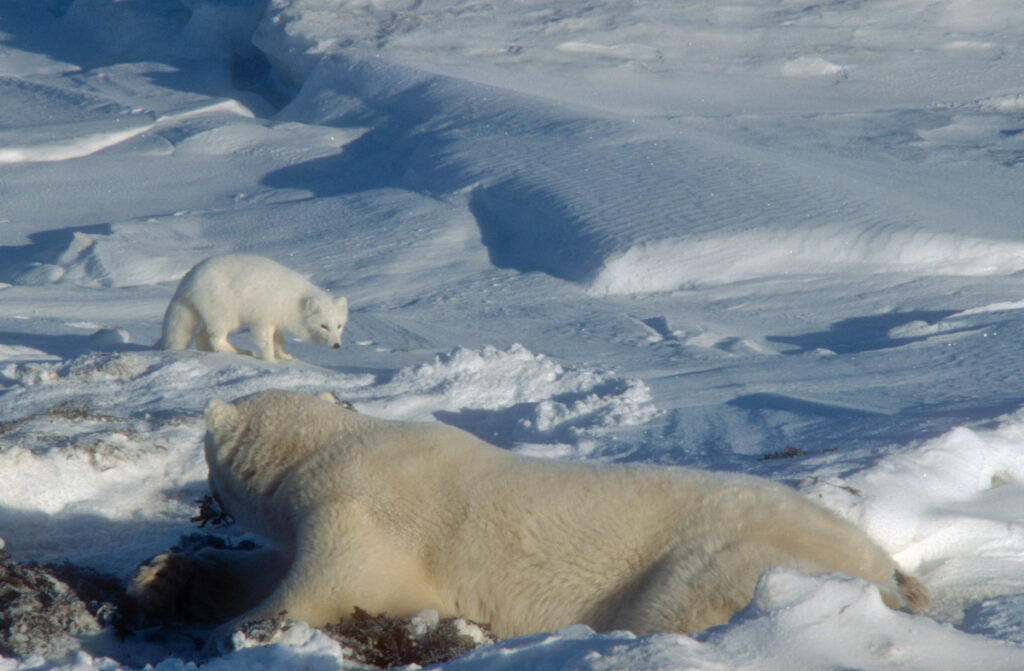
An Arctic fox has a varied diet, ranging from small mammals like lemmings and voles to seabirds, waterfowl, grouse and eggs to seaweed, berries and bugs. But when even that diversity of food sources is scarce, Arctic foxes will sometimes follow polar bears around to scavenge remaining scraps. Recent research in Hudson Bay showed that most Arctic fox “hotspots” overlap with those of polar bears, suggesting that their movements can significantly shape when and where foxes spend their time on sea ice.
9. This Arctic fox made one of her species’ longest (and fastest) migrations
On March 26, 2018, a young female Arctic fox set off from Svalbard, a Norwegian archipelago, and travelled 3,506 kilometres to arrive at Ellesmere Island, in northern Nunavut, on Canada Day. She averaged 46.3 kilometres for each of the 76 days, peaking at 155 kilometres while crossing the Greenland ice sheet, the fastest rate ever recorded for this species. This tracking data has helped researchers understand the importance of sea ice in helping Arctic foxes migrate to find food and new territory.
10. Arctic foxes are struggling against rising temperatures and less snow cover
The Canadian Arctic is warming three times as fast as the global average, increasingly reducing sea ice and snow cover. This can also reduce the edge that an Arctic fox’s white fur provides over its competitors and prey. This small fox species has also been losing ground to the larger red fox, whose range has been shifting northwards over recent decades due to climate change, prompting some Arctic fox ranges to move further north for food, shelter and space.
Click to symbolically adopt an Arctic fox plush or do a digital adoption. Both kits come with a personalized adoption certificate, educational poster with facts about the species and the conservation work that this gift makes possible, and a charitable tax receipt.