Northwest Territories’ native plants combine function, resilience and whimsy

The name “Northwest Territories” may show a lack of imagination by colonial mapmakers — especially considering the Inuktitut name was already Nunatsiaq — but with its staggering variety of landscapes, this 1.35-million-square-kilometre place that Inuit named “beautiful land” is anything but boring.
Spanning seven terrestrial ecozones, it contains Arctic mosses and lichens, colourful alpine flowers, stunted spruces along the treeline, bog plants springing from acidic soils, abundant boreal forest and berry shrubs galore.
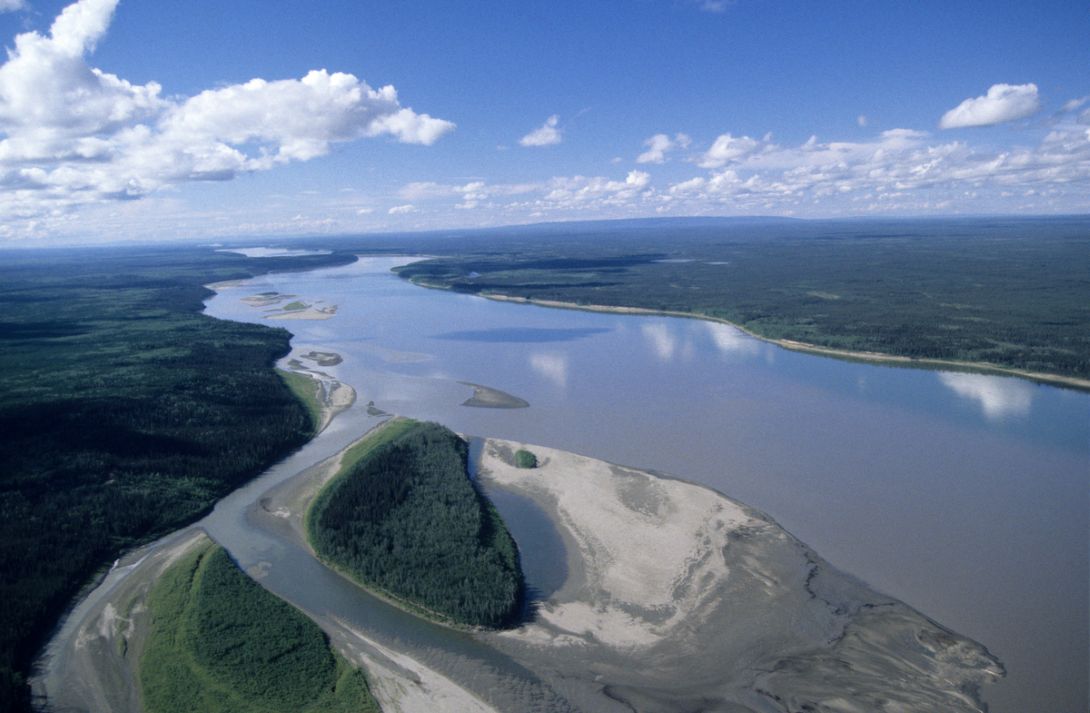
The extensive Taiga Plains ecoregion is centered on the mighty Mackenzie River (Dehcho in the Dene Zhatıé language and Kuukpak in Inuvialuktun) with two giant lakes along its eastern edge: Great Bear Lake is Canada’s third largest and Great Slave Lake is the deepest, going down even farther than the CN Tower goes up!
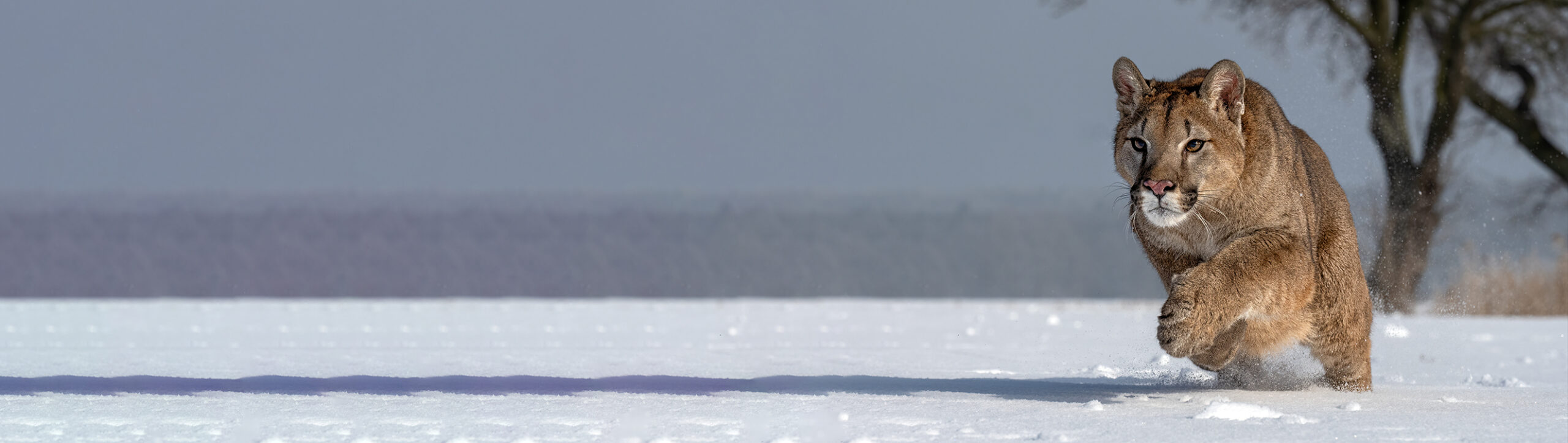
Northwest Territories’ host of habitats are home to barren-ground caribou, muskoxen, migratory waterfowl, moose, beavers, wood bison, Canada jays, common ravens, grizzly bears, collared pikas, mountain goats, and many other iconic wildlife species, all of which depend in some way on the native plants and trees at the foundation of the territory’s ecosystems.
Also relying on Northwest Territories’ plant life and other natural resources are the 45,000 or so people in its 33 communities.
Read on for a closer look at three of the hardy, useful and sometimes adorable plant species that help shape Northwest Territories’ ecosystems and culture.
Want to know what’s “growing on” in any other province or territory in Canada? Check out our blogs on native plants of Yukon, Nunavut, B.C., Alberta, Saskatchewan, Manitoba, Ontario, Quebec, New Brunswick, P.E.I., Nova Scotia and Newfoundland and Labrador.
White mountain avens
Northwest Territories’ floral emblem is the lovely mountain avens, depicted with white flowers. The enigmatic group of plants fitting this description has so far defied straightforward categorization by botanists because these plants all hybridize (mix genes) with each other. This makes it difficult to narrow down a single “species” of white mountain avens within the genus Dryas to represent the territory. Some of the scientific names currently used to describe plants in this group that are observed in the Northwest Territories include Dryas integrifolia, D. ajanensis, D. incisa, D. hookeriana and D. alaskensis (and, confusingly, many of these species have, at some point, also been called “Dryas octopetala”).
This eight to ten-petalled member of the rose family blooms in summer, with flowers that move to follow the sun’s path across the sky (known as heliotropism) as a way to capture light and warmth in a cold environment. After flowering, it produces seeds with feathery attachments that transport the seeds by wind. The plants spread to form mats or tufts up to about 20 centimetres tall, and, similar to beans, work with bacteria to transfer nitrogen from the air into the soil, enriching the soil and helping other plants grow.

Growing tips
Mountain avens plants are not widely commercially available, so are more readily enjoyed in nature. In Northwest Territories, they’re among the most abundant plants found in the Taiga Cordillera and Taiga Plains ecoregions growing at high elevations in well-drained rocky and sunny locations. In Canada, some of these species are also native to Yukon and B.C.
Wildlife benefits
Mountain avens flowers are pollinated by flies.
Tamarack
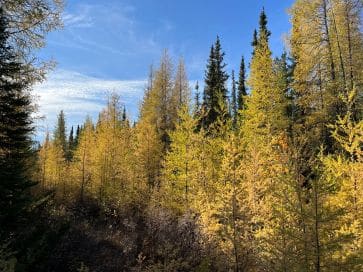
Tamarack, Larix laricina, became the territory’s tree emblem in 1999. Uniquely for conifers, its needles turn yellow and drop off in the fall, so it’s deciduous like maples, oaks, and other broad-leaved trees, not “evergreen.” Clusters of these soft needles give the branches a feathery appearance. Tamarack’s bark is grey or brown and scaly, and it produces light brown seed cones 1-2 centimetres long. It can grow 25 metres tall and live 150 years.
Tamarack’s wood is hard, flexible and long-lasting, and used to make a wide variety of items: poles, fence posts, railway ties, canoe paddles, snowshoes, toboggans, boats, drums, duck decoys and more. It is also burned to tan leather and smoke fish. Roots are used for crafts like baskets.
Bark and needles from this tree have been used in treatments for a host of ailments, from cuts, to frostbite, to upset stomachs.
Growing tips
Tamarack grows best in cool, damp places like bogs and prefers full sun. Thorough watering will help a new tree establish. This species is cold tolerant, and its roots stabilize the wet soil to help reduce erosion.
In Canada, tamarack is native to every province and territory. Within Northwest Territories, it grows in patches across wooded areas.
Wildlife benefits
Small mammals like mice and red squirrels and birds like red crossbills eat tamarack seeds. Porcupines eat the inner bark, which can kill the tree. They provide habitat for great gray owls as well as insects like larch needleworm, redlined conifer caterpillar and eastern larch beetle.
Bearberry
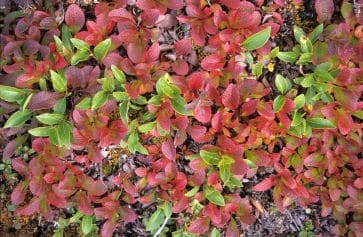
Bearberry is also known as Arctostaphylos uva-ursi or kinnikinnick. This woody shrub forms creeping mats up to 30 centimetres tall. Their leaves are leathery, small and oval with a shiny upper surface, and change colour from green to deep reddish-purple in autumn, decorating the landscape.
In spring, tiny pink and white flowers appear. With their translucent bases and vessel-like shape, they look like upside-down fairy-sized milk bottles.
After flowering, bearberry produces bright red berries, which remain on the plant through winter. Unlike blueberries or serviceberries, they are tough and bland, not sweet and juicy, but can be eaten in a pinch. Traditionally they are combined with other ingredients such as animal fat to make a more palatable dish.
Growing Tips
Bearberry makes an attractive ground cover in rocky or sandy substrates. They can be grown from cuttings or from seeds planted outside in fall, which germinate the second year after they are sown. This shrub prefers open spots in sandy, well drained, acidic soils and tolerates drought. Do not apply fertilizer.
Within Northwest Territories, bearberry grows across all seven ecozones among rocks, along riverbanks and on sand plains. This widespread boreal species is native to parts of every other province and territory in Canada as well.
Wildlife Uses
It’s no surprise, given the name, that bears eat this plant’s berries. Birds and small mammals dine on them as well. Bearberry leaves are essential caterpillar food for certain butterflies, including the hoary elfin, brown elfin and Freija fritillary. Its nectar attracts adult butterflies and bees.