LPRC 2025 species profile: North American beaver (Castor canadensis)
WWF-Canada’s 2025 Living Planet Report Canada (LPRC) shows the steepest average population decline of Canadian species yet — and one of the reasons is nature’s interconnectedness. Each species is part of a larger web, and when those links are broken, the impacts go beyond a single population. Read the full report for more species profiles.
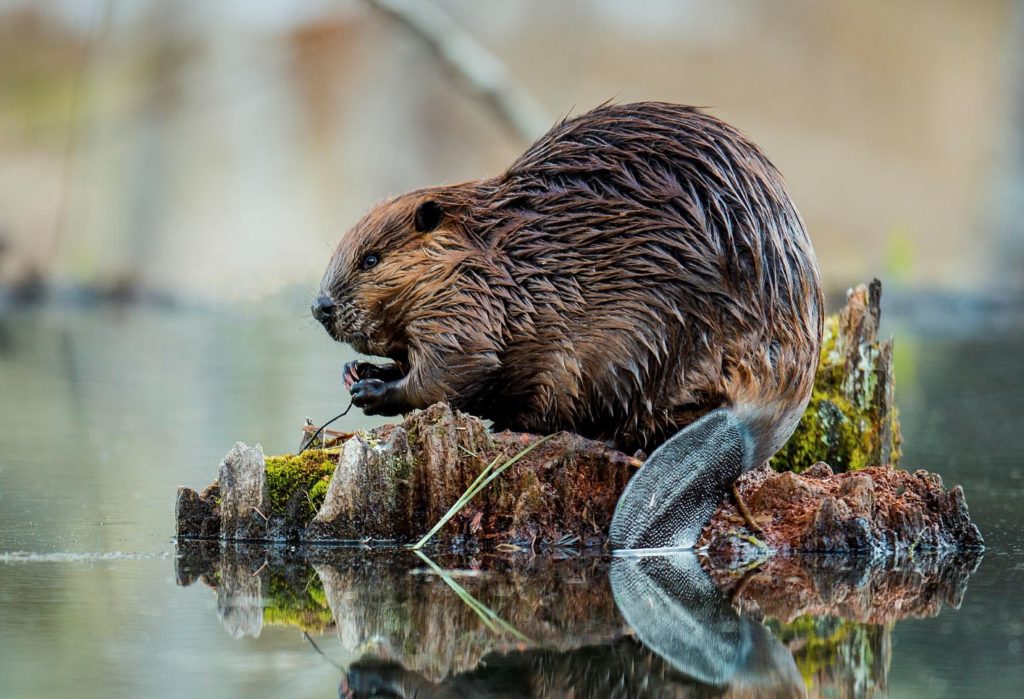
Beavers are Canada’s largest rodent, but their claim to fame is their role as ecosystem engineers. They have the ability to substantially alter their environments, particularly due to their dam-building activities.
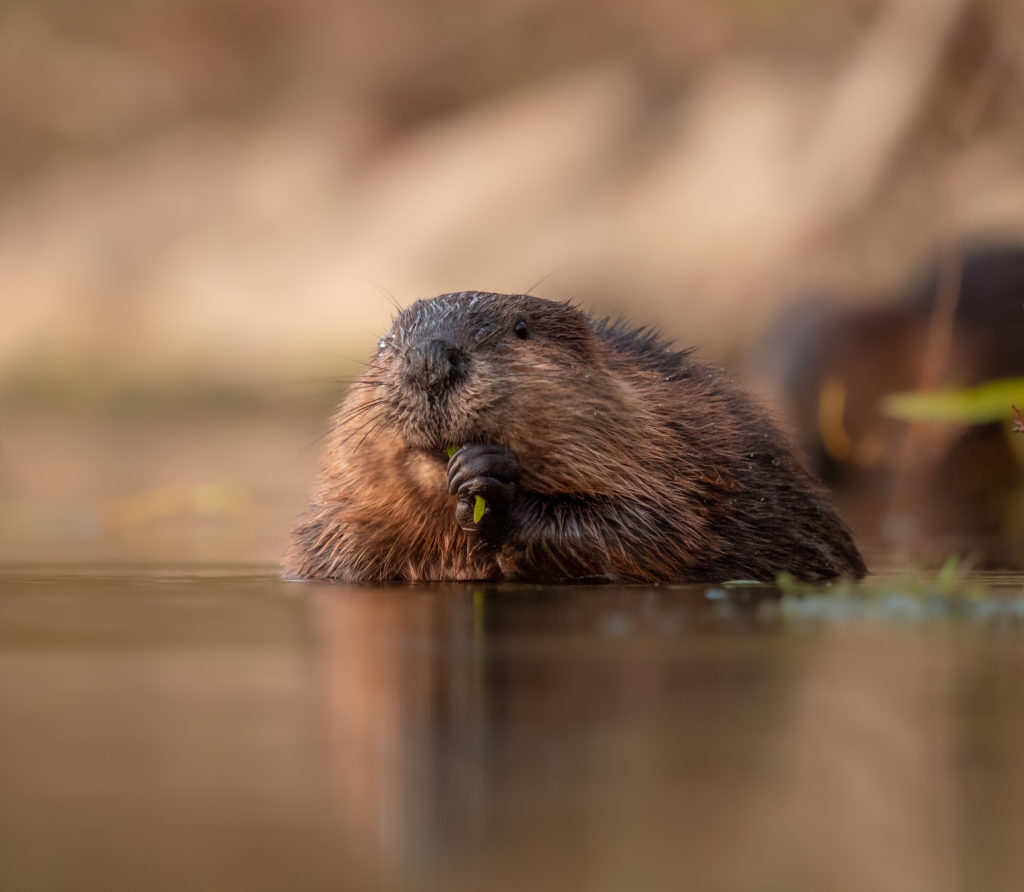
When constructing dams in streams and rivers, beavers slow the flow of water, creating ponds or wetlands that, on average, support more species-rich and biodiverse freshwater ecosystems. These habitat modifications can facilitate additional hydrological, geomorphological and ecological habitat alterations, including flood mitigation, carbon sequestration, climate resiliency and water quality improvement through enhanced filtration.
Although beavers themselves are considered keystone species (more specifically, keystone modifiers), their range expansion and influence has also been tied to other keystone species — compounding the ecological influence of particular fauna, which have disproportionately large impacts on ecosystems.
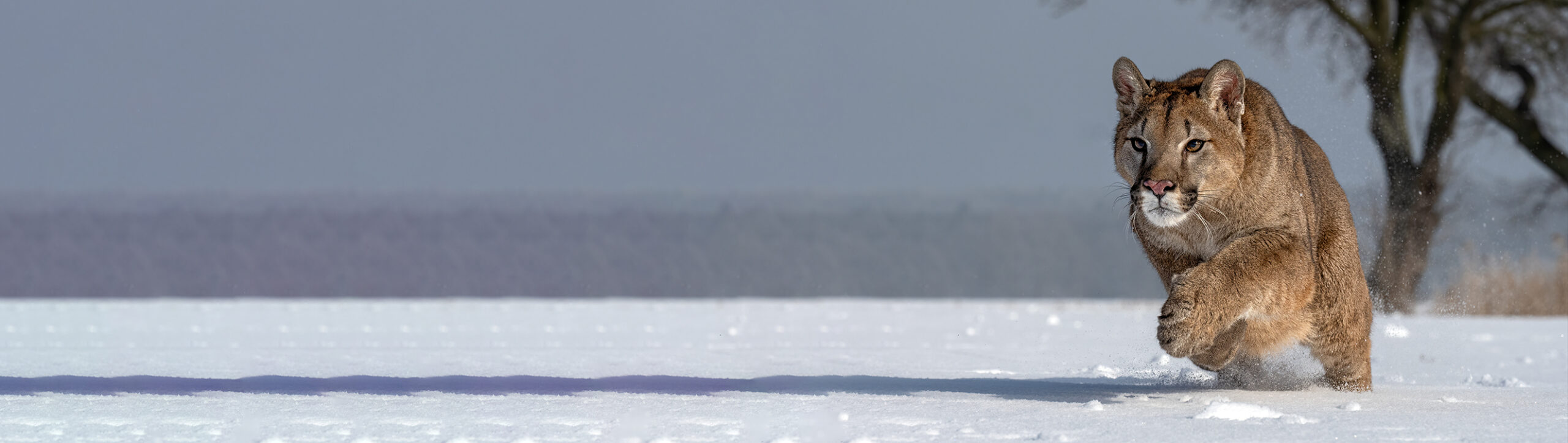
For instance, the decline of wolves led to overgrazing of vegetation by herbivores — their main prey. The resulting reduced riparian vegetation is associated with a destabilization of streambanks which reduces channel width, wood debris and the conditions necessary for beaver habitat.
Likewise, the existence or reintroduction of wolves positively correlates with riparian vegetation, stimulating beaver distribution that alter freshwater dynamics and facilitate more biodiverse landscapes.
The fur trade from the 17th to 19th centuries caused a dramatic decline in beaver populations, rendering the species nearly extinct.
Beavers have since rebounded, largely due to changes in management practices, hunting regulations and habitat protection, and are currently considered Secure in Canada.