Conservation science 4 Kids: Our new website empowers youth to explore and restore nature
Who helped nurture your love of nature? Maybe it was a family member taking you camping, a science teacher introducing a fascinating topic, or a TV host documenting dramatic wildlife scenes. If you still remember their influence today, then you know how formative these childhood experiences can be.
That’s why we created our new Living Planet Report Canada for Kids for, well, kids — but also for the grown-ups who want to light that same spark for the young people in their lives by sharing the wonders of nature and inspiring them to help take care of it.
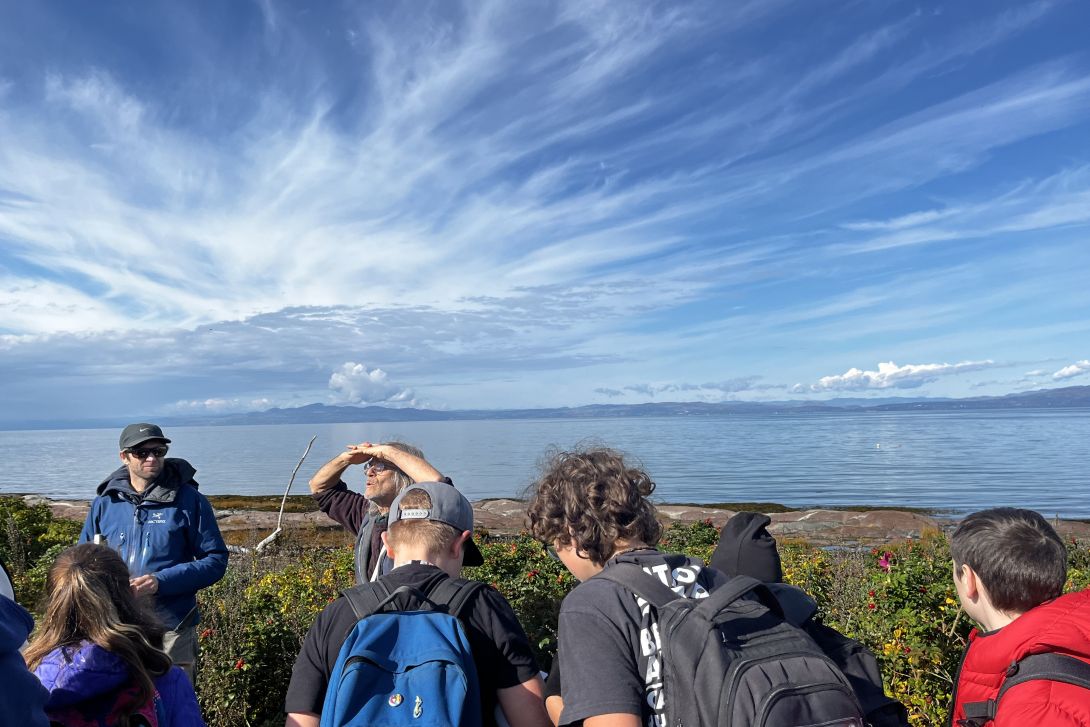
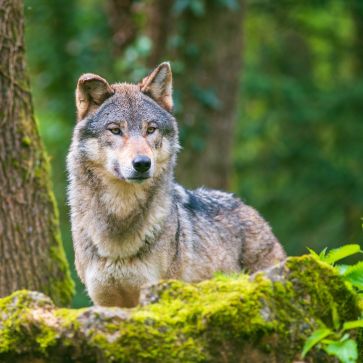
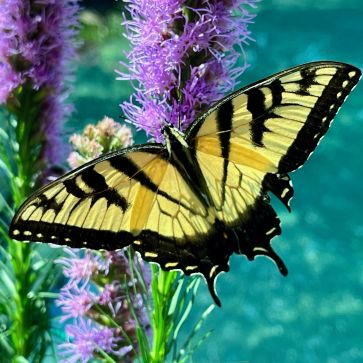
You can start by introducing them to our LPRC for Kids website, launching in time for Earth Day, so they can explore the stories of six Canadian wildlife species — from grey wolves and blue whales to swallowtails and sea otters — do fun quizzes, watch Q&A videos with WWF-Canada scientist Jessica Currie, and see examples of kids already taking action to help wildlife.
The research is drawn from the Living Planet Report Canada 2025, WWF-Canada’s flagship report on the state of the country’s vertebrate species, with its relevant, real-world science brought to life in ways that are engaging for young folks and focused on conservation solutions.
The Educational Resources section provides teachers, tutors, parents and guardians, and others with free, downloadable lesson plans that include indoor and outdoor hands-on activities such as drawing habitats, making mock news broadcasts about nature, collecting wildlife observations or playing food chain tag.
Relevant to grade 4, 5 and 6 curriculums across Canada, these lessons and activities help kids deepen their understanding of species and ecosystems while practicing skills needed to study and protect nature. They can also be adapted for older or younger children and used anywhere from traditional classrooms, home schools and youth groups to museums, camps and science centres.
We hope you’re as excited as us about bringing the Living Planet Report Canada to such an important audience: the future scientists, habitat stewards and environmental advocates who will be looking out for nature for decades to come.
Thank you for being part of their journey, and for using or sharing these resources with the kids, educators, and parents and guardians in your lives.
The Living Planet Report Canada for Kids is generously supported by The Barrett Family Foundation.