LPRC 2025: ‘Wildlife is very important for us up here, it’s our only garden,’ Abel Aqqaq, Taloyoak Umaruliririgut Association
Our 2025 Living Planet Report Canada (LPRC) used 5,099 population records for 910 species to track wildlife loss over time. But ecosystem health can’t be fully captured by a single knowledge system alone, so LPRC 2025 includes Indigenous perspectives from across the country.
Abel Aqqaq, lead guardian for the Taloyoak Umaruliririgut Association, has spent his entire life in the small hamlet of Taloyoak, Nunavut, the northernmost community on the Canadian mainland.
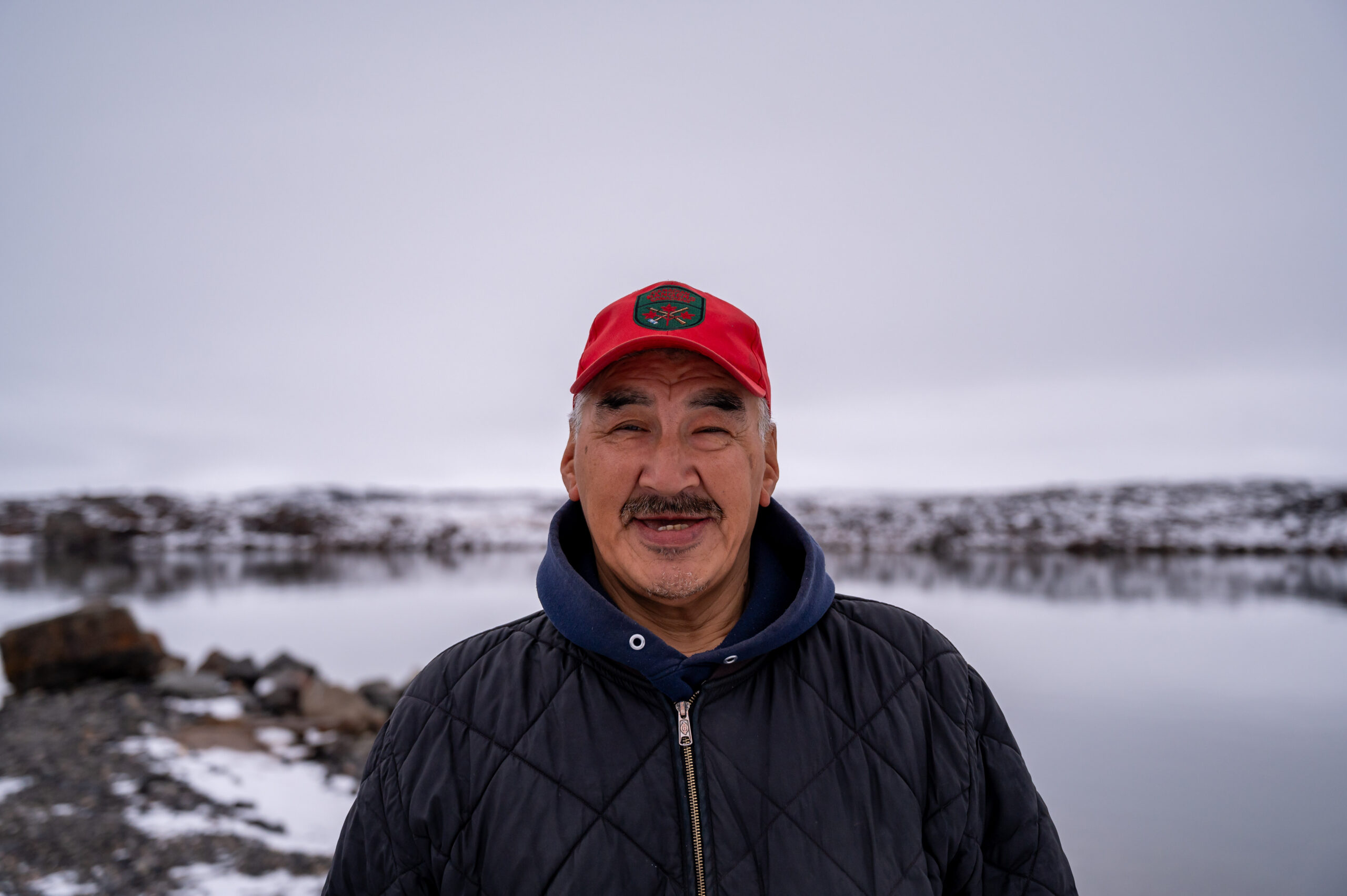
Nestled between the Gulf of Boothia and the M’Clintock Channel, Aqqaq grew up on the land with his father, where he learned to hunt seal and caribou and trap Arctic foxes. Now he’s working as the community’s lead Indigenous Guardian and with ArctiConnexion to ensure the preservation of his territory.
An Inuk man, Aqqaq’s knowledge of the land and the species that occupy it is vast. He has spent his entire life accumulating understandings about the relationships between the species in his region and how to respectfully coexist with them. The knowledge he’s inherited, Inuit Qaujimajatuqangit, has been passed down from generation to generation, and is built on thousands of people’s direct contact with the environment.
Here’s what Aqqaq told us about the changes he’s noticing in Taloyoak, wildlife migratory routes and why his community is prioritizing protection:
Growing up, when I was old enough to go out on the land, my dad would take me out hunting, and that’s where I learned my skills.
Back then, there was plenty of ring seals on the south side of the M’Clintock Channel but, over the years, the numbers have declined, and we don’t know the reason. On the land side, caribou was very hard to find; we’d have to go a long distance to look for them. But today, the number of caribou migrating through the community has increased, and we don’t have to travel as far.
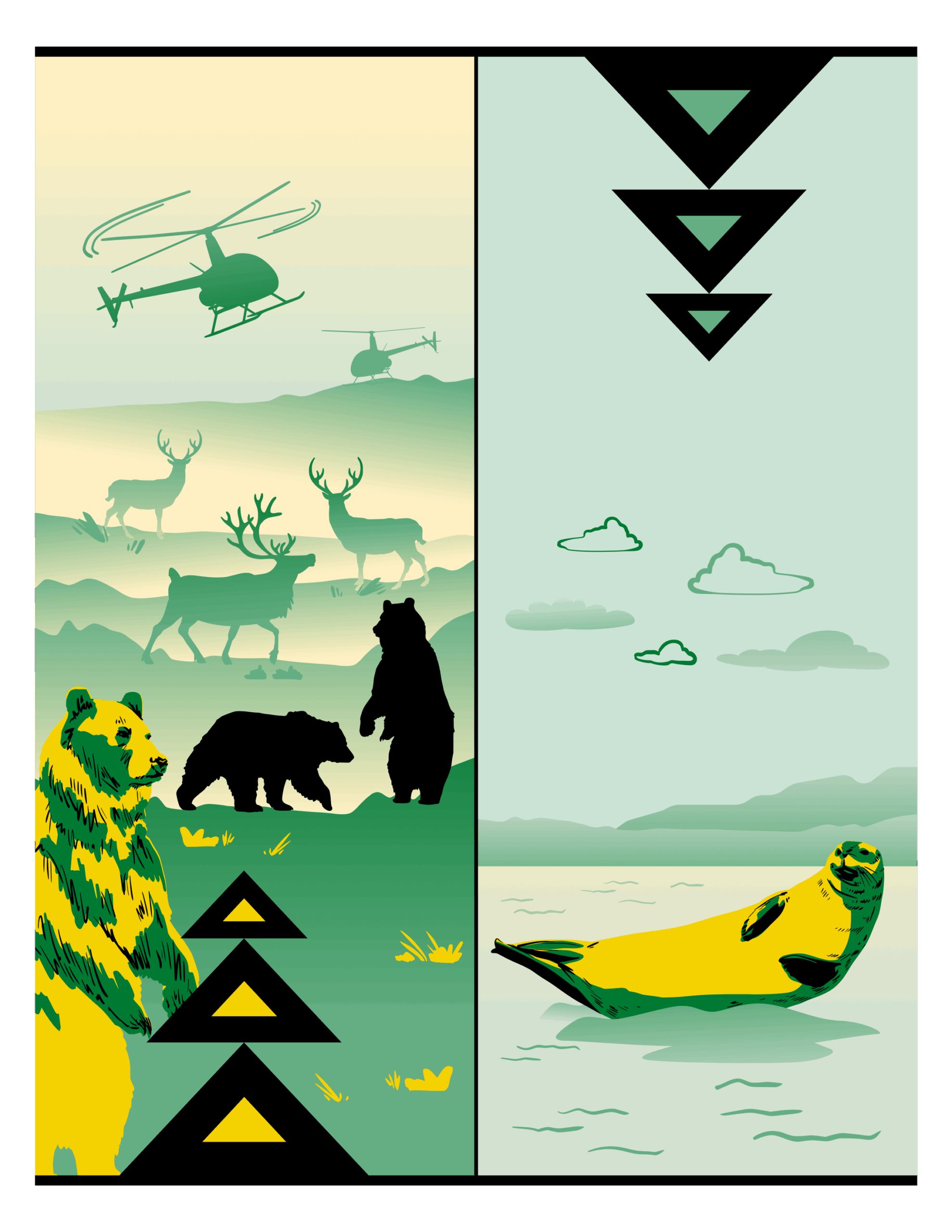
We never used to have brown bears up here, or see any tracks, but they’re slowly moving up north. We have more wolves up here, too, especially on the Gulf of Boothia, but our neighbouring communities, Gjoa Haven and Kugaaruk, tend to see a lot more of the wildlife.
So, there are some changes we’re seeing, but it’s still stable. What helps is we have a local radio station here and the Elders go on air talking about wildlife, especially during the migration of the caribou. Sometimes they say, “We have plenty of caribou today, respect the animal, just get what you need and don’t waste it. If you’re not going to eat it, or if you’re not going to share it, don’t get what you’re not going to use.” That knowledge has been passed on and it’s very strong.
For the changes in our species, it might be the mining that is going on farther south in Baker Lake or Rankin Inlet that’s bothering the animals, pushing them north, changing their migratory routes. We’re also seeing more helicopters flying low, people looking for minerals, so that might be part of it too.
Taloyoak has started environmental monitoring to keep an eye on species health
We do marine sampling, and last year we started using a hydrophone — we recorded ring seals, bearded seals, narwhals, beluga and, I think, a walrus, but we’re not too sure.
We also set cameras and have to change them every couple of weeks. We haven’t really looked into the footage yet, but eventually it will help the Hunters and Trappers Organization. Even without the cameras, as a hunter who grew up here, I know the numbers of caribou are healthy. It’s just the migrating route that has changed.
The community prioritizes wildlife for survival
Wildlife is very important for us up here, it’s our only garden. We don’t have vegetables growing in our community, so it’s very important that we take good care of what we have.
We need to take care of our wildlife, take care of our land, and that includes protecting it from mining. Taloyoak is very small and if somebody starts mining up here, our wildlife, migrating routes and calving grounds would be destroyed, just like that.
We don’t want any mining up here; we’ve seen what’s happening on the Baffin side where there’s a mine. It has done a lot of damage to the land, the wildlife has changed, and we don’t want that to happen here.
Our Living Planet Report Canada 2025 reveals the most severe average wildlife population declines to date. Explore what’s happening in habitats across the country — and how we can halt and reverse wildlife loss before it’s too late.