Earth Hour turns 20: How turning the lights off turned on a global movement
It’s been 20 years since a couple million Australians turned off their lights for the very first Earth Hour — and lit up a global movement that has continued to effect change ever since that hourglass ran out.
To celebrate this milestone, we’re looking back at some of the most exciting Earth Hour moments over the past two decades, including an upcoming surprise for WWF-Canada supporters at the end.
Started in Sydney
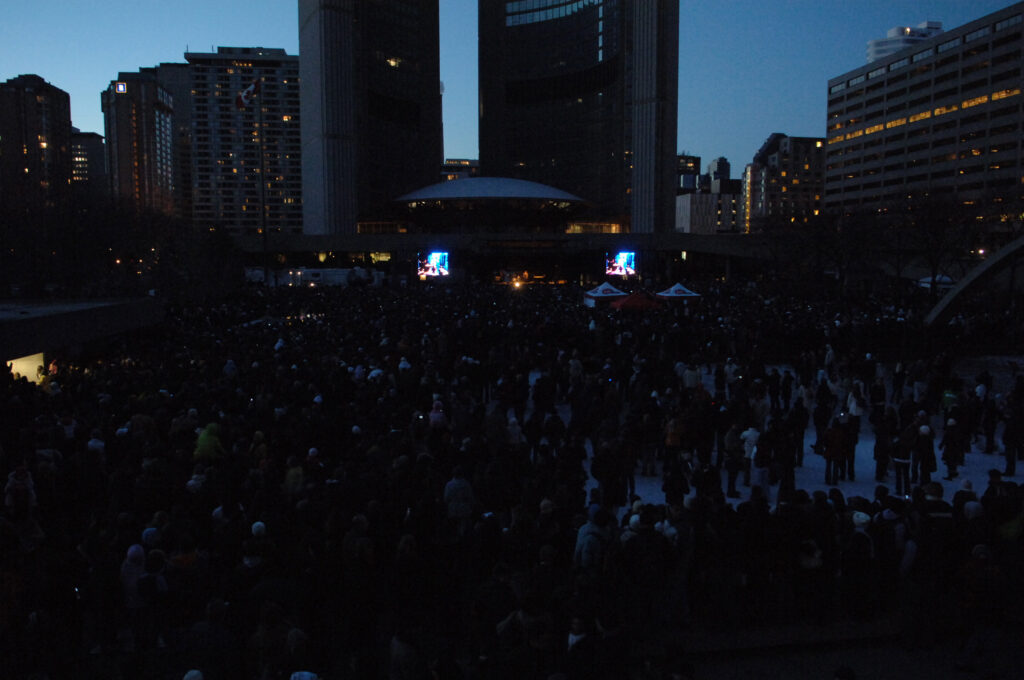
WWF-Australia planned the first Earth Hour in Sydney on March 31, 2007, and, when the clock struck 8:30 p.m., 2.2 million residents turned their lights off. Even world-famous landmarks like the Sydney Opera House and Harbour Bridge went dark while candlelit picnics bloomed across the Royal Botanical Garden.
Spread to Toronto
The City of Toronto was so inspired by the collective action they saw in Sydney that their office rang up the New South Wales city office the next day — probably the day after that, technically, given the time difference — and said they wanted to host the next Earth Hour the following month. Convinced to leave some additional time for planning, Toronto instead became the first to announce it was joining Earth Hour 2008, which eventually spread to 50 million people in 400 cities across 35 countries.
Globally viral
By 2009, Earth Hour became the world’s largest grassroots movement for the environment — a title it holds to this day — as it expanded to almost a billion participants in 2,800 cities. Two years after that, Earth Hour trounced its own record, reaching more than 1.8 billion people in 135 countries across all seven continents. (Yes, all seven: research stations turned off lights and electrical equipment, but not heat, to mark the hour.)
Wonders of the World unite
One of the event’s annual highlights has been to see major attractions taking part by going dark, from the Eiffel Tower and Great Pyramid of Giza to the Tokyo and Kyoto Towers in Japan to Toronto’s CN Tower (which WWF-Canada supporters have been climbing for nature since 1991). Even Las Vegas, the NASA-certified brightest place on Earth, has shut off its eponymous sign for an hour (because carbon emitted in Vegas does not stay in Vegas).
Off-Earth hour
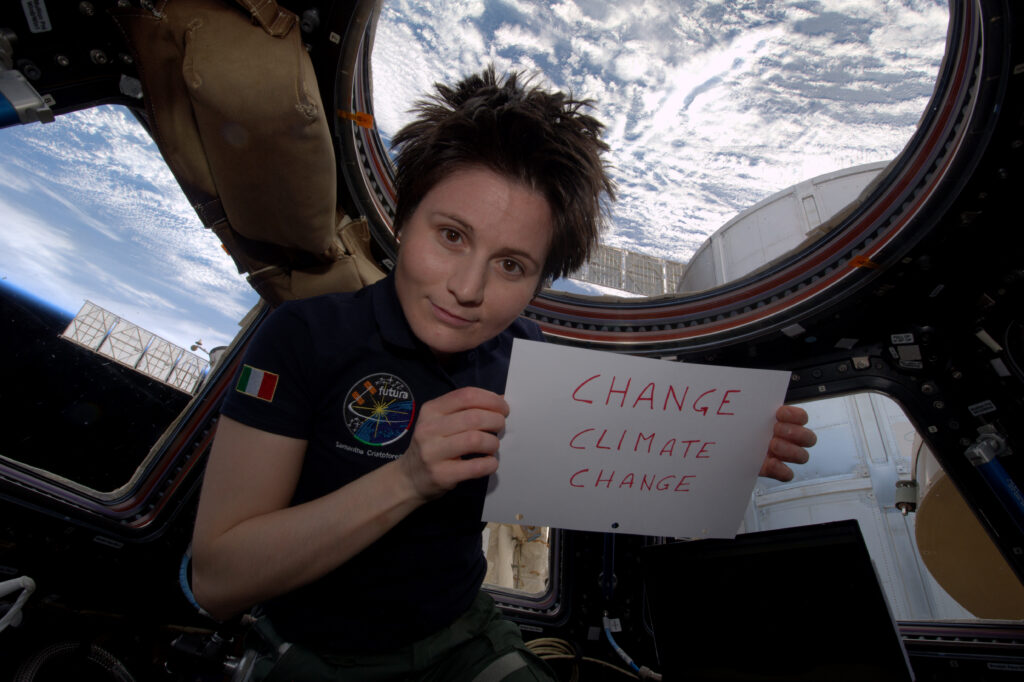
In 2015, Italian astronaut Samantha Cristoforetti became the first person to take part in Earth Hour while not actually on Earth, joining from the International Space Station with a sign reading “Change Climate Change.”
Spidey senses climate change
Spider-Man became the first superhero global ambassador for Earth Hour in 2014 because, listen bud: Who knows more about the need for renewable energy than a guy with radioactive blood?
Hello? Earth calling China
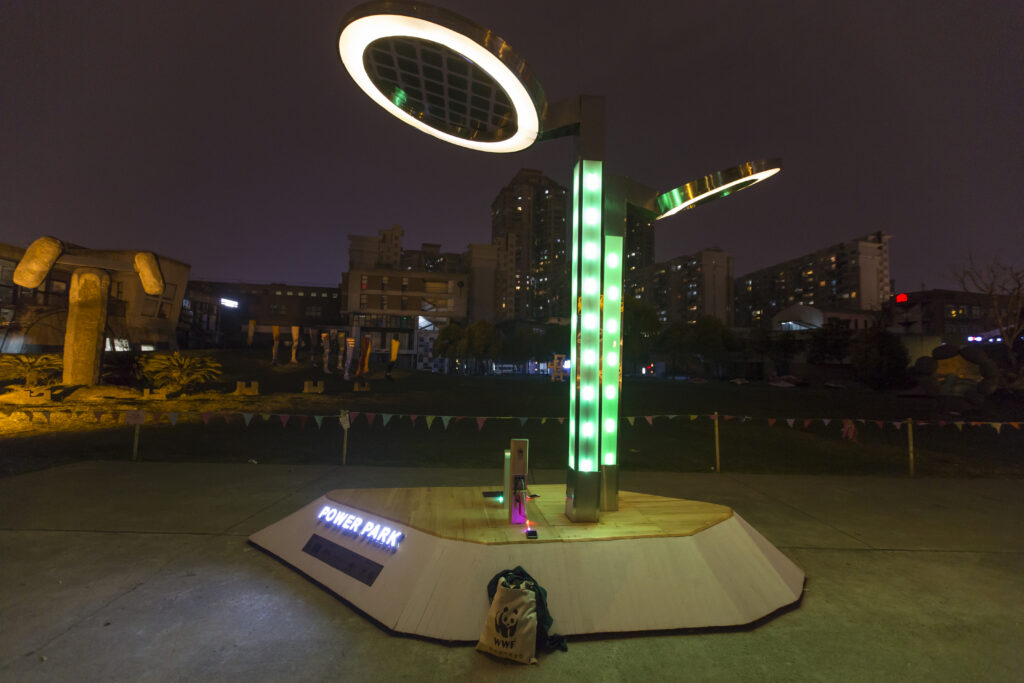
The city of Shanghai set up “solar trees” for Earth Hour, allowing residents to charge their mobile devices with renewable energy.
Tree hour
In 2013, WWF-Uganda used the event as an impetus to buy the world’s first Earth Hour Forest to help reduce the 6,000 hectares of deforestation that occurred there every month. Since then, the charity has protected more than 2,700 hectares.
Setting records
In 2018, Earth Hour broke records, with 188 countries and territories participating — including almost 18,000 landmarks.
Hope grows
For this year’s event, turn your lights off and our new video podcast on! The first episode of Good Nature with Megan Leslie features a conversation with Earth Hour co-founder Andy Ridley, who helped convinced the world to stop for an hour and think about the planet. Check it out starting March 26, and hear them talk about how to turn symbolic hours into lifetimes of action.