
How to count tigers in Nepal
Ever try to find your house cat when they don’t want to be found? I know, right? Needless to say, searching your various closets, drawers and basement nooks and crannies is still a whole lot easier than counting tigers in remote areas of Nepal. The latter involves long nights in camps, high-tech resources and expertise in statistical modelling.
To find out how experts find out how many tigers there are in Nepal, and why this is so vital for tiger conservation, we spoke to Rinjan Shrestha, WWF-Canada’s Asian big cat expert.
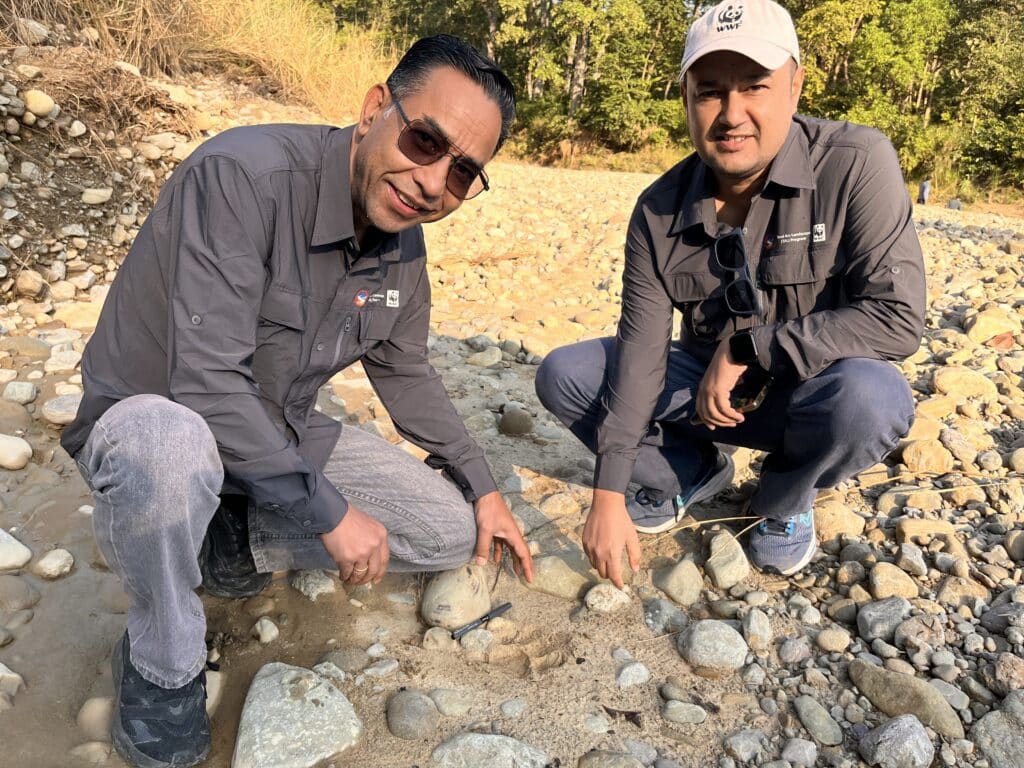
There’s a national tiger population survey currently underway in Nepal, and WWF-Canada is supporting this work. How often do population counts happen?
We have been doing this survey every four years since 2009. That makes this the fifth survey! The national tiger population survey is led by the Government of Nepal.
And what happens with this data once we have it?
The results serve as the backbone for the strategies we use in our tiger conservation work. We primarily use the tiger numbers to figure out if our conservation efforts are having an effect on tiger populations. The surveys also help identify tiger hotspots — where most of them are concentrated — and we focus on protecting those areas in the coming years.
It also shows us areas of low density, where tigers are scarce, and we can use that information to plan and build corridors that encourage tigers to disperse to those areas. Finally, it can also show us areas where there’s potential for human-tiger conflict, and then we can take proactive measures to prevent this conflict from happening.
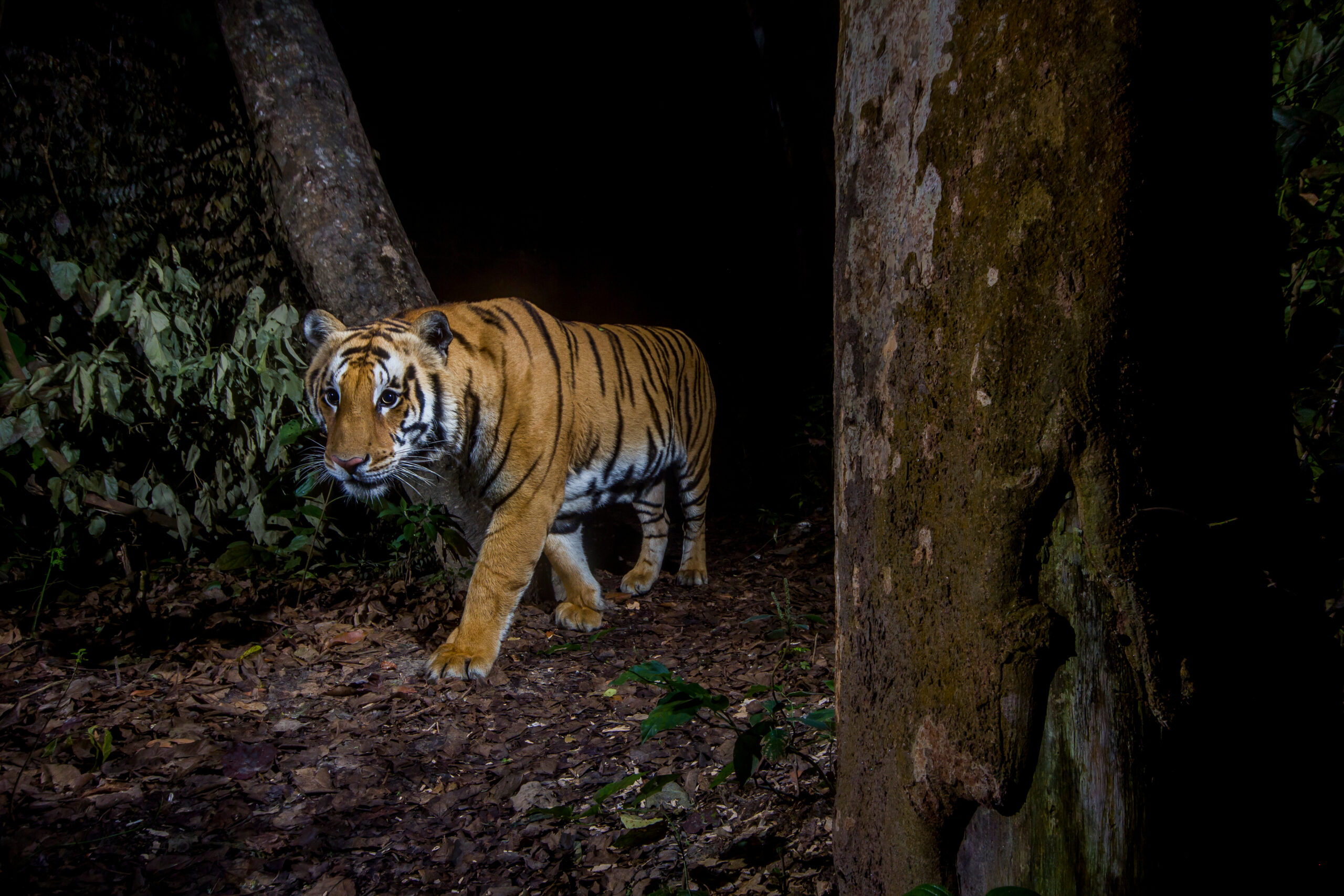
How long does it take to do a tiger count?
The survey covers the entire tiger range in Nepal, which spans 20,000 square kilometers and includes five protected areas. Normally, it takes about five to six months from about December to April to complete the survey. This includes training, orientation, field surveys, and we even do some data analysis in the field. There are about 300 or more individuals who participate, including scientists, volunteers, students, local communities, NGOs, government officials and, of course, WWF.
How do you do a tiger count? What do the field staff need to participate?
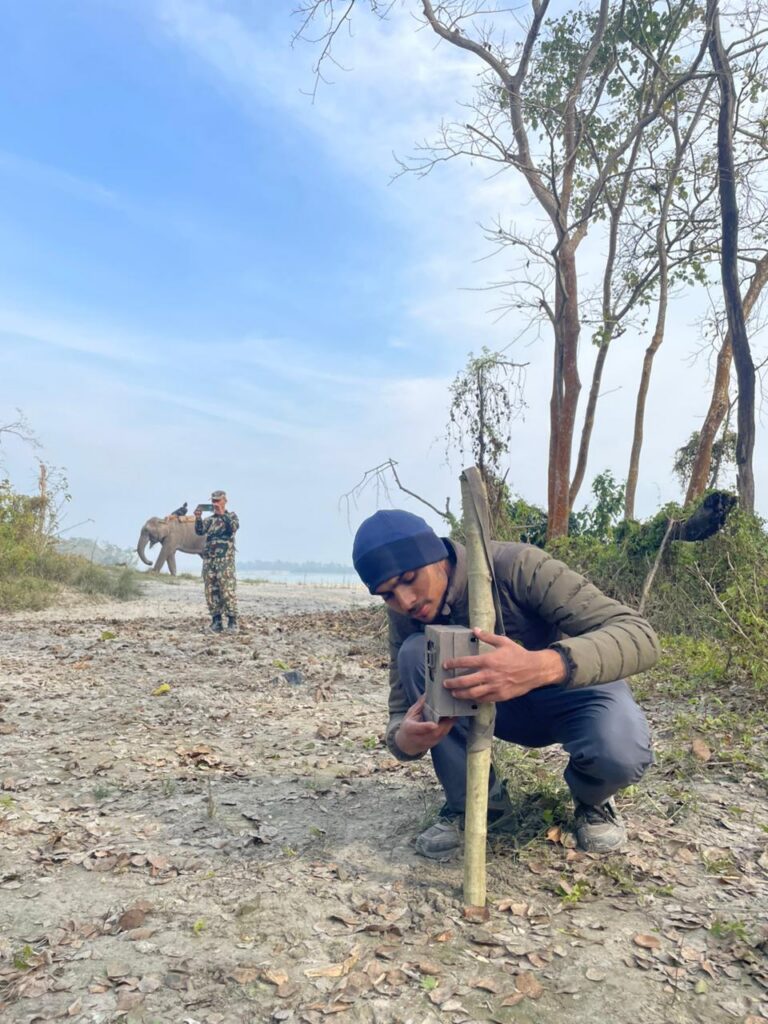
Counting tigers may sound simple, but you actually need lots of equipment to do this work. It is not like counting sheep. We primarily use camera traps to count the secretive animals, so we have to make sure we have automatic cameras, memory cards and batteries — lots and lots of batteries.
Of course, you also need field gear such as jackets, boots, binoculars, water bottles, flashlights and first aid kits. Some of the survey sites are often located in remote areas, so we bring tents, sleeping bags, mattresses and cooking essentials into the field. We usually work in groups of about 10, and each group carries their own supplies.
You also can’t just jump in and set up the cameras anywhere. We divide the entire survey area into grids of about four square kilometres. Within each grid, we put a pair of camera traps in thee areas where tigers are most likely to visit. These cameras are equipped with heat and motion sensors, which makes animals to take their selfies as they pass by. The team will set up the cameras, return to camp, and then check on them periodically, then move into the next set of grids because we don’t have enough cameras to cover the entire area at once.
What kinds of things are they checking for?
Sometimes cameras can be damaged or moved by elephants or monkeys, so the team makes sure they’re still recording data in that block. We often have to replace the batteries and change the memory cards. We usually do this for about 15 to 20 days before we switch locations.
When you’re looking at the footage, how do you know you’re not counting the same tiger more than once?
Once we collect all the images, we identify different individuals based on their stripe patterns. Much like our fingerprints, no two tigers will have same stripe patterns. We get a few trained people, including field technicians and biologists, to identify individual tigers and make sure they come up with the same numbers, so we can be sure. Certainly, there will be some tigers we have missed, so in order to arrive at a total population number, we need to know how many tigers were not detected by cameras, which we estimate through statistical modelling based on local scenarios.
Are camera traps the only way we can count tigers?
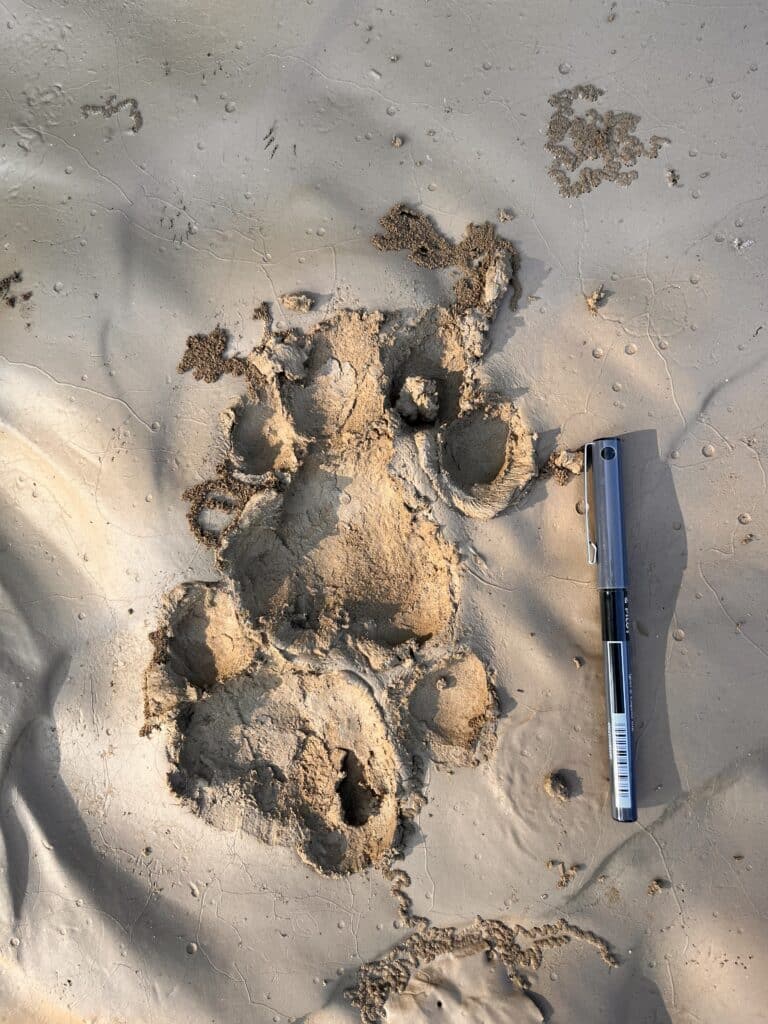
Great question! Cameras are one of the primary methods we use to count tigers, but we have other ways of keeping track of them too. We use a method called “occupancy survey,” which is a fancy way of saying “this is how much habitat tigers occupy.”
We figure that out by systematically looking for signs of tigers in our study areas. This could be something like a footprint, claw marks on a tree, even records of urination, scat and scrape marks on the ground.
We then feed this data into a statistical model that can calculate how much of a range is actually occupied by tigers. We cross-reference that with the data we get from camera traps to understand how many tigers are in a given area. We can also roughly estimate how many tigers are in a given area based on their prey numbers.
What’s your favourite part of doing the tiger population monitoring?
My favourite part of field work is interacting with local people and hearing their stories and, of course, the opportunity to observe these elusive big cats and other animals in their natural habitats while contributing to conservation science.