
Arctic Ocean louder and more varied than thought
New research is challenging long held assumptions about how quiet the Arctic Ocean really is. A study published in npj Acoustics analyzed nearly a decade of underwater recordings from Cambridge Bay, Nunavut. It found that the region’s soundscape is far more diverse — and more heavily influenced by human activity — than current monitoring methods pick up.
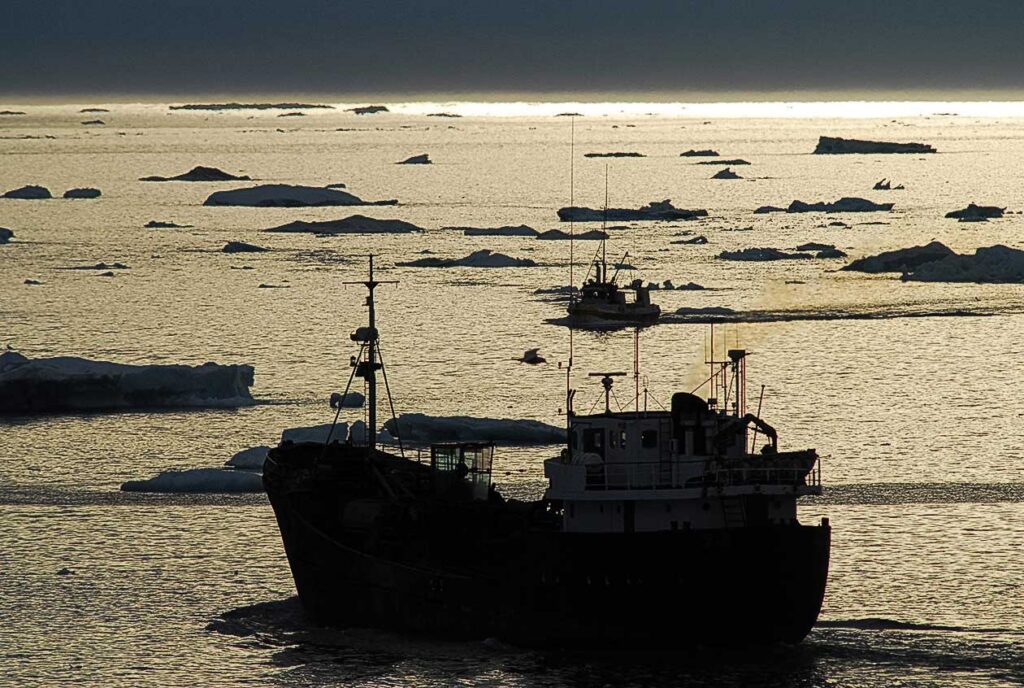
Existing guidelines for measuring underwater noise in other parts of the world focus on a narrow set of low frequency bands. But the research team found that ship noise extends well beyond those ranges.
In summer, vessel noise reaches into higher frequencies that overlap with the hearing ranges of some marine mammals, particularly species such as beluga and narwhal.
Winter recordings revealed something else: even when the ocean is frozen, snowmobiles, aircraft and community machinery contribute significant noise, creating a year round acoustic footprint.
The researchers also found that many sounds come from small or untracked vessels. This means satellite based ship tracking systems underestimate the impacts of human activity in Arctic waters.
The findings suggest that Arctic-specific noise guidelines are needed, given that existing guidance — largely developed for temperate regions — does not reflect the realities of a rapidly changing Arctic. As sea ice thins and shipping seasons lengthen, a broader approach to acoustic monitoring may be needed to protect marine life that relies on sound to communicate, navigate and survive.
This article originally ran in the WWF Global Arctic Programme’s magazine, The Circle