A milestone for the Central Arctic Ocean, a source of hope for global environmental governance?
Five years after entering into force, the Central Arctic Ocean Fisheries Agreement (CAOFA), remains a rare example of nations taking a proactive and precautionary approach to protect ecosystems before damage is done. But critical work remains.
Ahead of the Fifth Conference of the Parties taking place in Brussels, 16 – 18 June, WWF Global Arctic Programme reflects on the agreement.
With approximately 5000 inhabitants, Ilulissat may be a small coastal town on the western part of Greenland, but its role in establishing sustainable governance structures in the Arctic is significant.
In October 2018, Ilulissat was the venue for one of the most promising efforts to protect vulnerable Arctic ecosystems across national boundaries.
Ten Parties (Canada, China, Denmark on behalf of Greenland and the Faroe Islands, the European Union, Iceland, Japan, Norway, Russia, South Korea, and the United States) signed the Agreement to Prevent Unregulated High Seas Fisheries in the Central Arctic Ocean (CAOFA).
A 16-year pause
The agreement entered into force in June 2021, establishing a 16-year pause on commercial fishing. This creates a framework for science and Indigenous Knowledge-based management of the region.
It also critically recognize the role of Indigenous Peoples’ representatives alongside national governments in decision-making.
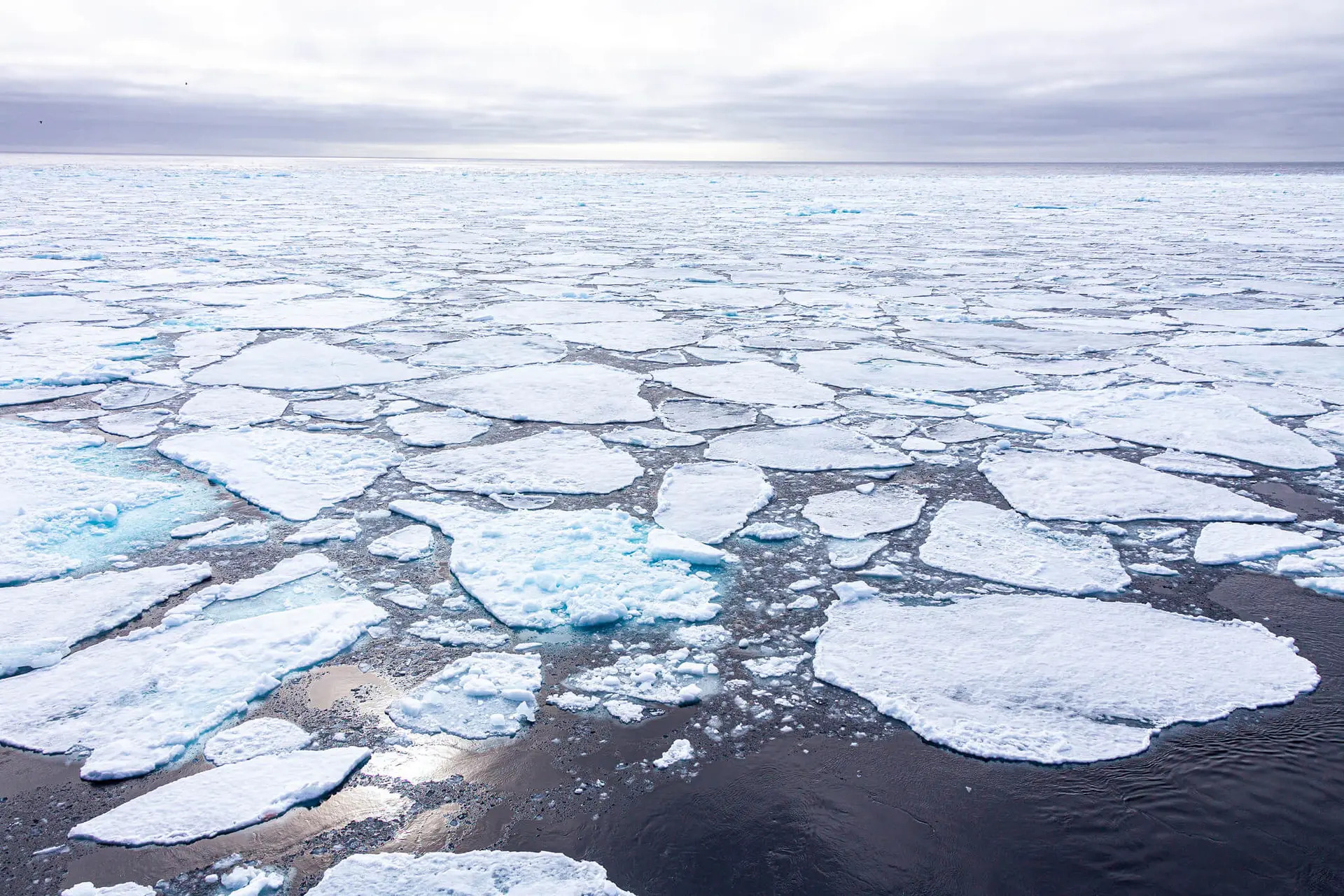
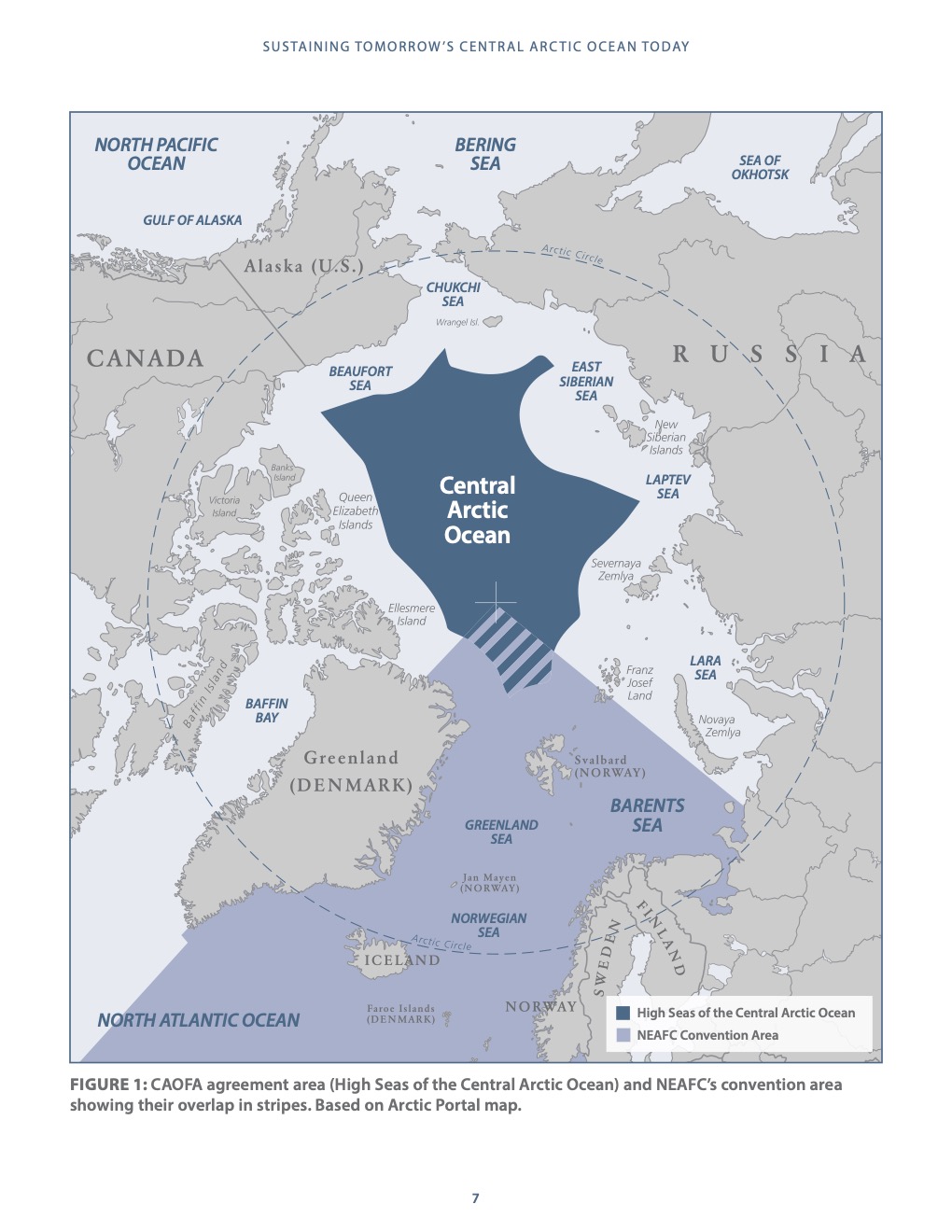
The Central Arctic Ocean (CAO) is home to vanishing, rare marine ecosystems. Climate change is the defining threat, driving unprecedented sea ice loss. This opens the CAO to shipping, fishing, and industrial activity for the first time in recorded history.
A functioning space for collaboration
CAOFA offers the opportunity to establish a framework for science and Indigenous Knowledge-based management. Critically, it recognizes the role of Indigenous Peoples’ representatives alongside national governments in decision-making.
At a time when geopolitical tensions are high, and multilateral instruments are questioned, CAOFA remains a functioning space for collaboration.
At CAOFA, Arctic and non-Arctic nations, Indigenous Peoples, and civil society meet, exchange knowledge, and work toward shared governance of an ocean facing emerging pressures in real time. That collaboration matters enormously because CAO supports food webs that sustain coastal communities far beyond its area.
How WWF has engaged in CAOFA
From the outset, WWF Global Arctic Programme (GAP) has seen CAOFA as more than a fisheries agreement. It is a rare example of nations acting to protect an ecosystem before damage is done. It takes a proactive, precautionary approach that stands in sharp contrast to the reactive governance that has characterized so much of international environmental law.
GAP has consistently advocated for the implementation of the agreement in such a way that weaves scientific research with Indigenous Knowledge and local knowledge. CAOFA should serve as a foundation for something larger; a coherent, integrated conservation regime for the Central Arctic Ocean.
As an observer to the Convention of the Parties since 2022, GAP has contributed recommendations and scientific input. It also offers ArcNet, a conservation framework that maps priority areas for conservation across the entire Arctic Ocean.
Celebrate, but don’t exaggerate
Amid a lack of progress on a range of global sustainability issues, CAOFA offers a glimmer of hope. However, critical work remains. Parties to the agreement have yet to agree on the conditions for exploratory fishing. This must be finalized before any fishing begins.
Equally important is the need to identify and protect Vulnerable Marine Ecosystems and sea ice habitats in the CAO before industrial activity creates irreversible impacts. Area-based management measures offer a suite of tools to address such important issues.
WWF’s position is clear: the precautionary principle that underpins CAOFA must continue to guide its implementation at every step.
Furthermore, the governance of the CAO today remains fragmented. It is spread across instruments that were not designed for the integrated pressures of a warming world. The June Conference of Parties in Brussels is an opportunity to build the foundation for a conservation regime equal to the CAO’s global significance.
The Arctic Ocean is a living system with deep ecological value significance, and the decisions made now will determine whether this system endures for generations. The health of this ocean is not just an Arctic concern, it is foundational to a functioning planet.
This analysis was written by:
Chelsea Boaler, Senior Specialist, Resilient Habitats for WWF-Canada
Matt Spencer, Polar Oceans Programme Manager for WWF-UK
Vanessa Dick, Senior Governance Lead, WWF Global Arctic Programme
Steve MacLean, Managing Director for WWF-US Arctic