
Unbe-leaf-able facts about leaf sheep, the cutest solar-powered slug in the sea
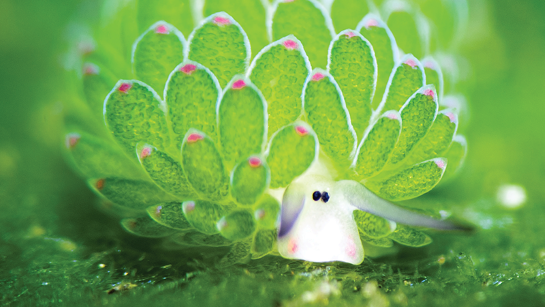
Discovered by a Japanese scientist near the heart-shaped island of Kuroshima in 1993, the leaf sheep has risen to internet fame on account of being a cartoonishly cute sea slug that eats sunlight.
Known officially as Costasiella kuroshimae — and, hilariously, as “Shaun the Sheep slug” — the leaf sheep is much more than its undeniable adorability. So, we dove into eight other reasons to join its fandom flock by symbolically adopting your own plush leaf sheep to help support habitat conservation.
1. Fashion forward
The leaf sheep is rocking accessories as useful as aesthetic. The leaf-like appendages called cerata that cover its body are green with pink, purple or white tips, helping it to hide amongst algae, while the antennae-like rhinophores on its head detect chemicals in the water to smell its way toward food. As larvae, these leaf “lambs” have shells which they shed as they grow up.
2. Adorably diminutive
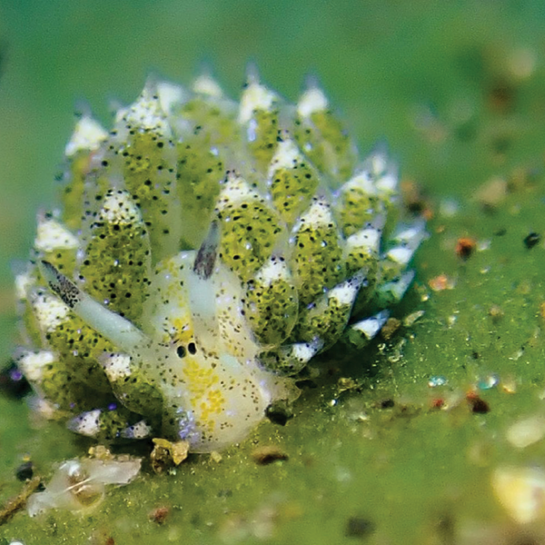
Measuring a mere eight millimetres or so in length, the leaf sheep is about the size of a green pea. Colonies of around 20 of these itty-bitty mini molluscs have been observed hanging out near each other on the same blade of algae.
3. Solar stealer
The leaf sheep has a toothed organ called a radula that can pierce algal cell walls to suck out sustenance, including chloroplasts which it then keeps inside its cerata for about 10 days. Why? Same reason as algae — to turn sunlight into food through photosynthesis. This behaviour is called kleptoplasty, or chloroplast stealing.
4. Team player
Like their land-based namesakes, leaf sheep are grazers. They help maintain ecosystem balance by munching on algae, which breaks down plant material, and release nutrients back into the water through their waste.
5. Paradise dweller
Leaf sheep have a specialized diet and live where algae in the genus Avrainvillea grow. This habitat is found in shallow, sunlit tropical and subtropical waters near coral reefs off the coast of countries including Japan, Indonesia, the Philippines, Papua New Guinea and Australia.
6. Flexible fertility
Leaf sheep are hermaphrodites, with each individual having both male and female reproductive organs, so any leaf sheep can mate with any other.
7. Exterior designer
After mating, the leaf sheep lays its egg mass in an appropriately cute spiral shape.
 8. Preciously precarious
We don’t have enough data on population sizes to confirm conservation status, but we do know leaf sheep face increasing threats from pollution, climate change, ocean acidification and other human impacts that affect their undersea habitat.
Adopt a leaf sheep
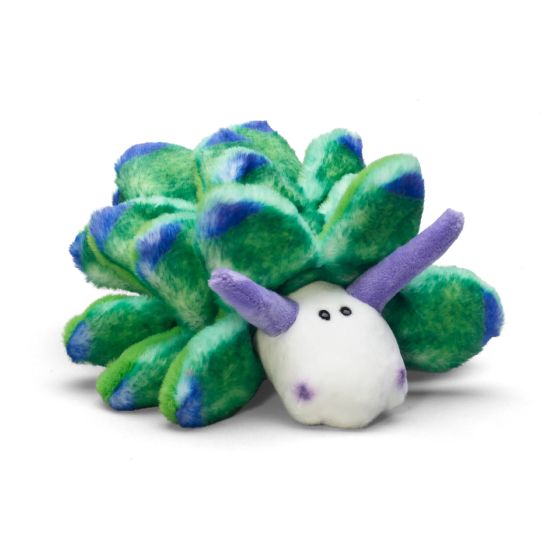
Your symbolic adoption, either a true-to-life leaf sheep plush kit or a digital gift, helps WWF protect nature around the globe, ensuring the long-term survival of species like the leaf sheep. Adopt a leaf sheep today.