For endangered orcas, Canada looks to manage symptoms while worsening the causes
Against the backdrop of B.C.’s Salish Sea, the federal government unveiled a $1.2-billion commitment to protect Canada’s oceans this week. Few places better illustrate both the importance of marine conservation and the consequences of failing to act decisively.
The Sept. 29 announcement in North Vancouver addressed a longstanding need for better monitoring, enforcement and response capacity on all three coasts.
But alongside Ottawa’s plans to fast-track new development in the very ecosystem where the announcement was made — including another announcement, two days later, designating the West Coast oil pipeline, now officially known as Pacific Link, a “project of national interest” — will these measures do enough to address the increasing threats to this marine habitat?
And if not, what happens to the remaining southern resident killer whales (SRKW) who live there?
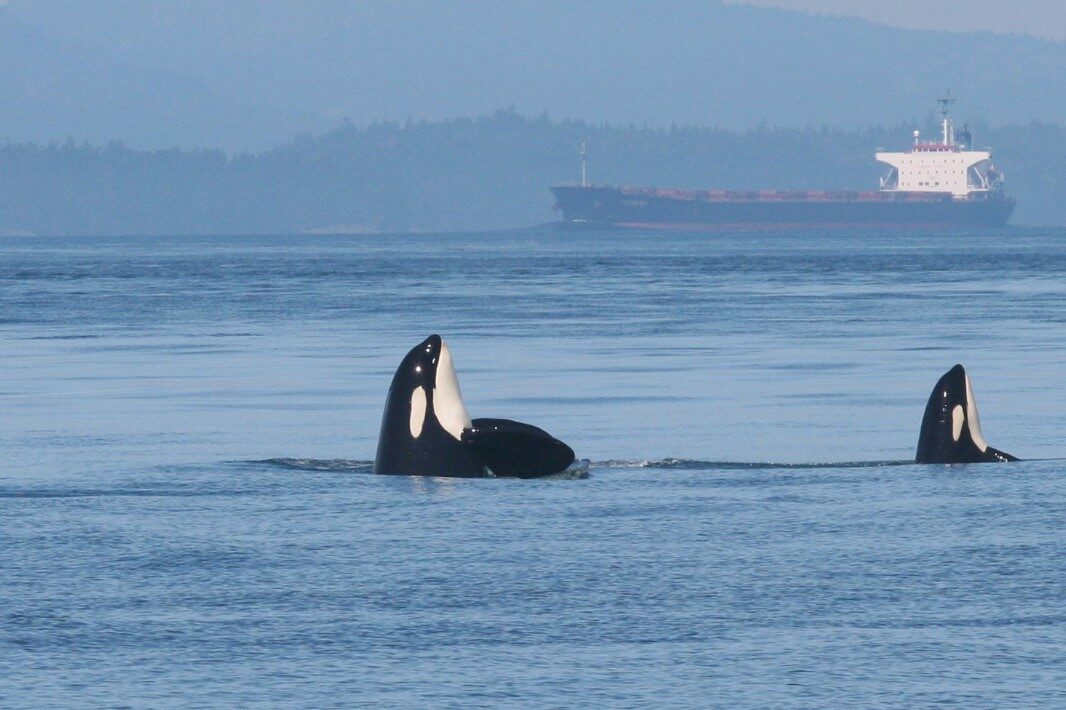
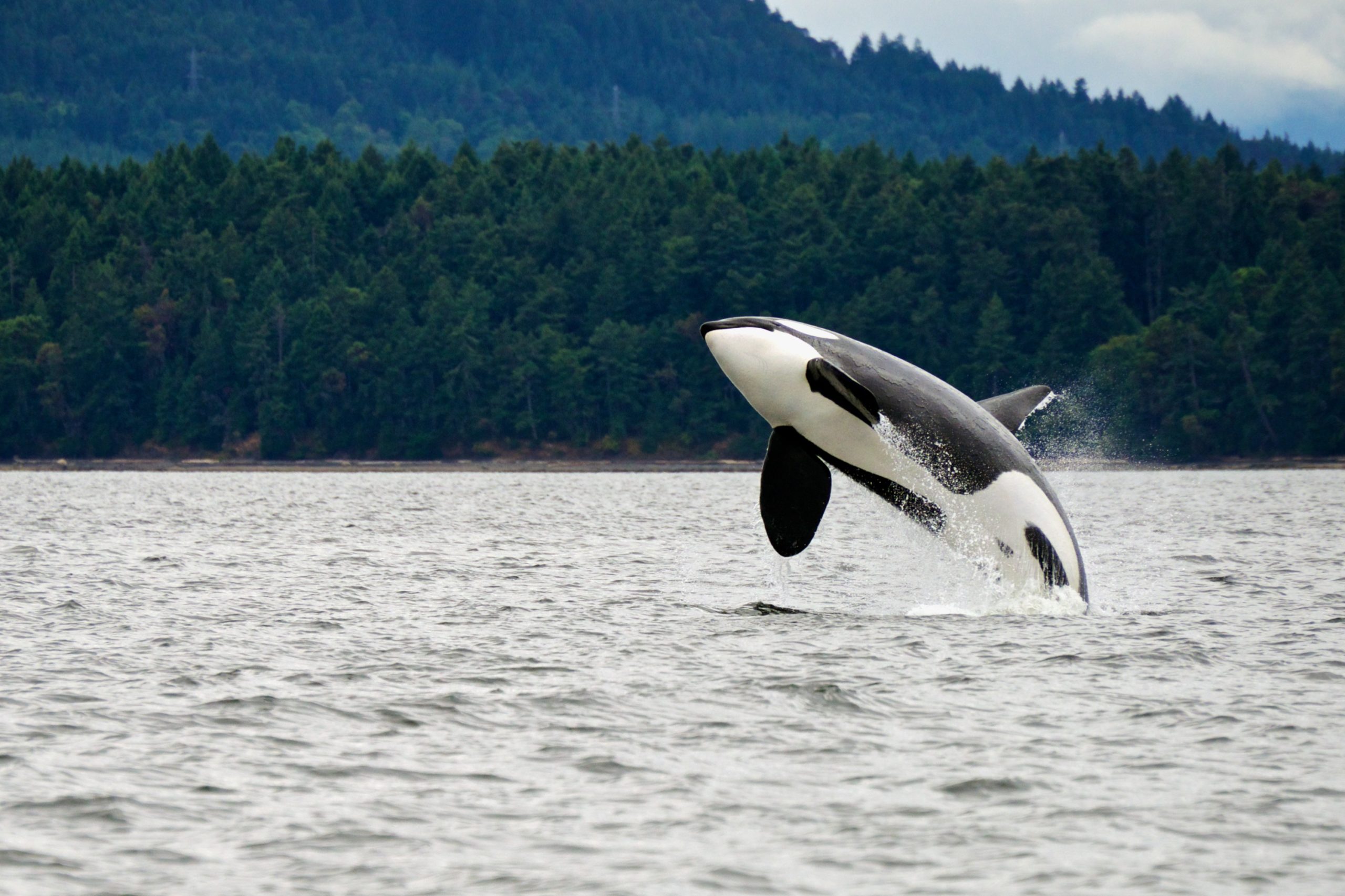
This endangered population of orca have seen the Salish Sea steadily become busier, noisier, more polluted and less abundant with the chinook salmon they need to survive. Today, only around 75 whales remain.
Yet many of the measures announced this week fall short of what science says is needed. They focus on managing the symptoms of ecosystem decline rather than reducing the cause.
Scientists have a clear understanding of why SRKW are struggling and what is needed to help them recover. A 2025 panel of Canadian and U.S. scientists concluded that recovery depends on three must-haves: more chinook, quieter waters and less pollution. That means recovering at-risk salmon populations to ensure these orcas can access enough of their primary food, reducing noise and disturbance from vessels, and keeping harmful pollutants out of marine habitats.
Consider the government’s new objective to maintain underwater noise at 2023 levels — levels that were already too high. Scientists and regulators have known for years that noise from increasing vessel traffic makes it harder for SRKW to communicate, navigate and find food. Striving for 2023 levels may prevent the problem from worsening, but it doesn’t do enough to reduce the cacophony that these endangered orcas are already threatened with.
The federal government’s investments in protection, salmon recovery and ocean conservation show that it does understand the challenges this region is facing. Yet it is also counteracting its own efforts with plans to rapidly expand infrastructure and increase vessel traffic in the same ecosystem.
Reviews of both the already flowing Trans Mountain pipeline expansion (TMX) and the planned Roberts Bank Terminal 2 (RBT2) port project called for better management of their combined effects on the region and for more protection of the southern residents. Yet the projects kept moving forward.
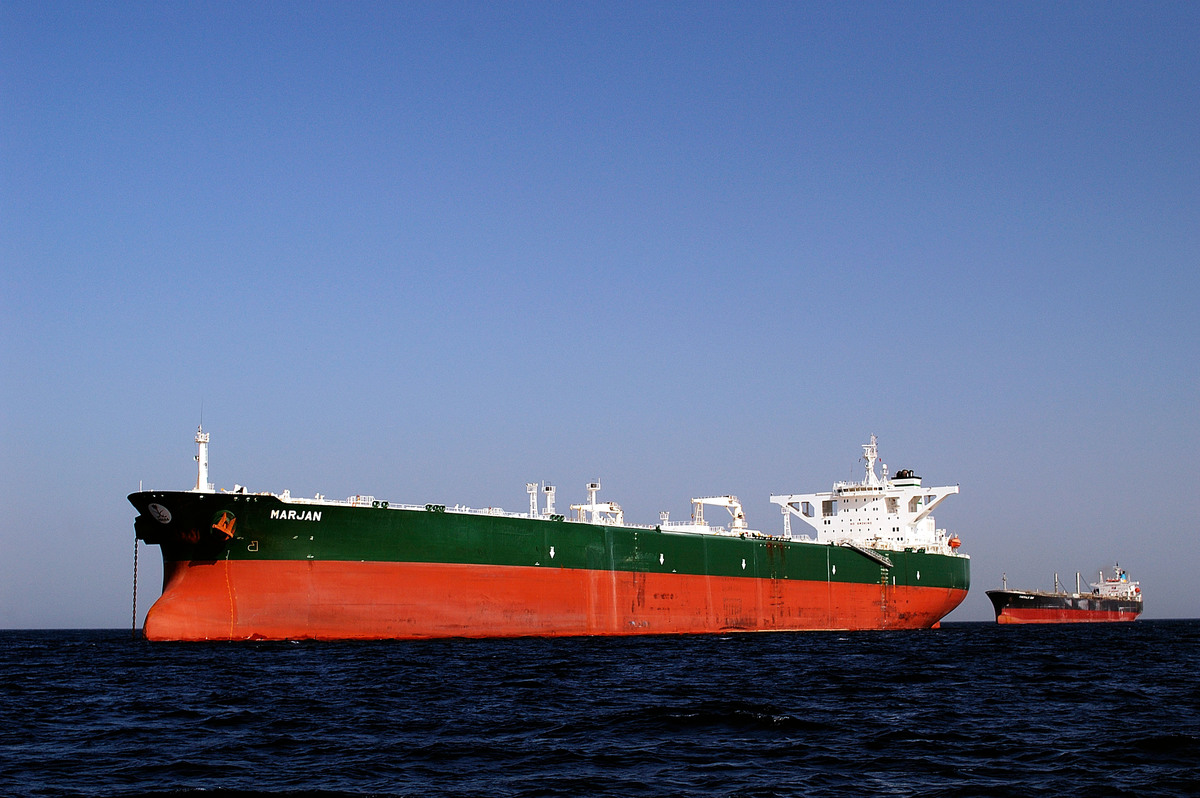
The pipeline began operating in May 2024, increasing oil tanker traffic through the Salish Sea by nearly 600 per cent, while the port terminal was approved by Ottawa in 2023, with hundreds of conditions meant to address environmental concerns and an expected opening date of 2033. It is still waiting on final federal permits under the laws that protect fish and species at risk.
In September, the federal government announced it was considering designating RBT2 a project of national interest under the Building Canada Act. But the first major project to receive such designation came on Oct. 1 with the 1,250-kilometre Pacific Link oil pipeline, which would transport one million barrels of oil per day from Alberta to a proposed new terminal in Roberts Bank, an industrial area south of Vancouver, near mouth of the Fraser River and the Roberts Bank Wildlife Management Area.
The Building Canada Act gives the government the power to exempt national interest projects from environmental laws such as the Species at Risk, Migratory Birds and Fisheries Acts. The newly proposed Bill C-39, or Building Canada Strong Act, would go even further by giving Cabinet the ability to change or remove conditions attached to existing federal permits, including those applied to RBT2. For SRKW and the salmon they rely on, that could mean weaker protections right when they are needed the most.
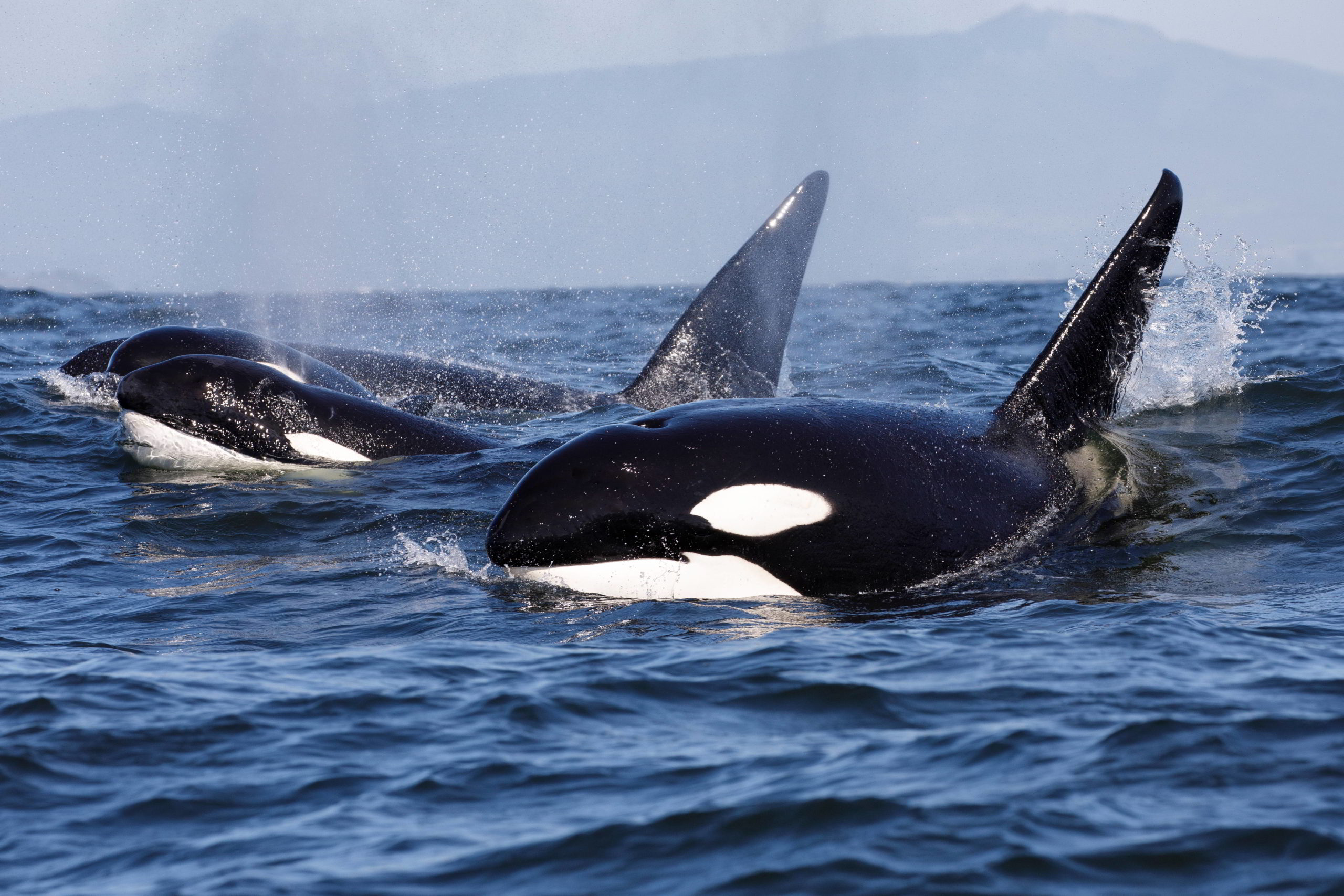
Real protection for the orca — the kind mandated by SARA when a government finds that a “species faces imminent threats to its recovery and survival,” which this government did in November 2024 — would include regulated ocean noise thresholds that are set regionally for the Salish Sea, which crosses B.C.’s south coast and Washington’s north coast, and developed specifically based on SRKW biology and habitat requirements.
More monitoring won’t save the SRKW. We already know what it shows from nearly a decade of monitoring using underwater microphones. That science is clear. Those recommendations have been written. The rules and legal powers to enact them already exist.
The question now is whether the federal government is prepared to act on what it has shown that it knows: to uphold the protections in the Species at Risk and Fisheries Acts, or to let the laws our government passed to prevent species extinction be set aside, one project at a time, for so-called national interest.
For the southern resident killer whale, there may not be many more chances to get that decision right.