From post-wildfire forests to salmon streams to wetlands: Inspiring B.C. restoration stories
Whether it’s reopening waterways for wild salmon, replanting fire-ravaged forests or reconnecting wetlands, restoration of B.C. habitats that sustain wildlife and local economies is happening across the province.
Here are just a few inspiring projects from First Nations, community organizations, conservation researchers and eager students that are already making a difference with support from WWF-Canada.
Strengthening salmon habitat
Pacific salmon need cold, clean rivers and streams to complete their remarkable migrations between freshwater and the ocean. Yet decades of habitat degradation have blocked spawning and rearing areas, contributing to population decline.
In the Fraser Valley, Soowahlie First Nation is restoring habitat in Swílhcha Stótelô (Sweltzer Creek), a tributary connecting Cultus Lake to the Chilliwack River, by removing and replacing an ineffective floodgate and culvert (a large pipe that channels water) that currently restricts fish passage. They are also removing invasive plants along creek banks and adding native vegetation that provides shade to keep water temperatures cooler.
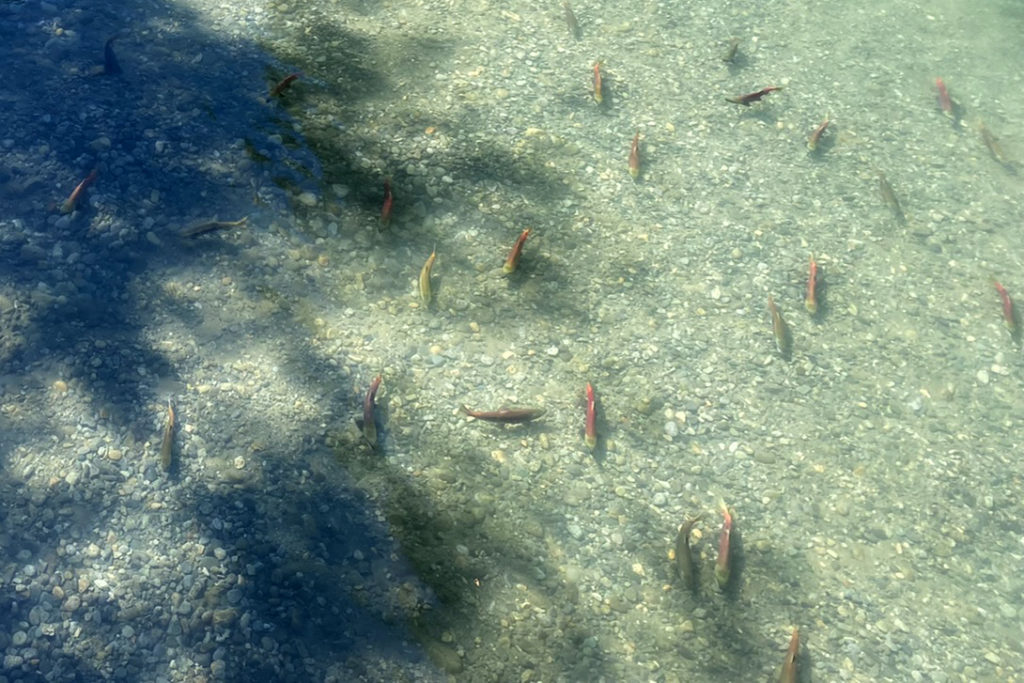
Further west, in the Upper Pitt River watershed near Vancouver, Katzie First Nation has been clearing blocked streams, creating new spawning channels and reconnecting fragmented habitat used by all five salmon species.
This work helps recover salmon populations and Katzie’s deep connection to the watershed and their salmon family that have sustained them for millennia.
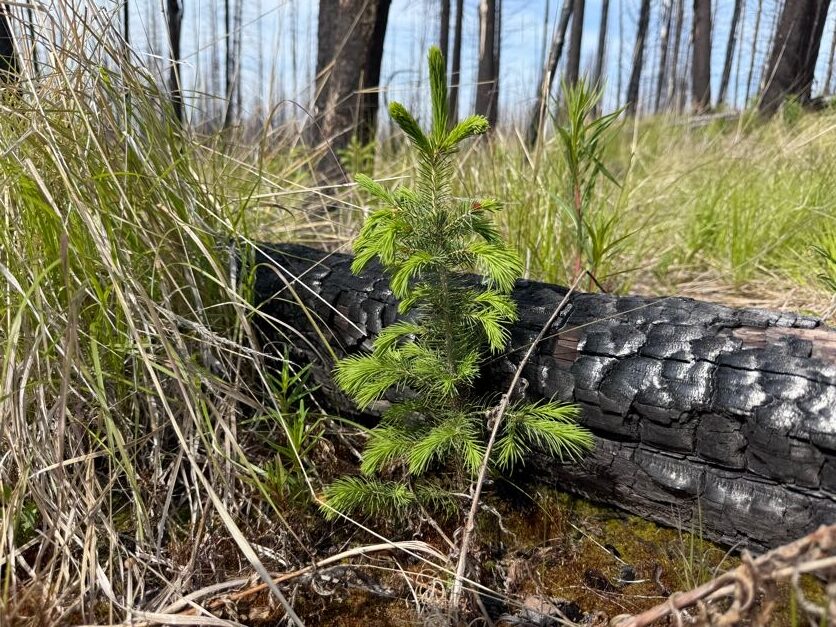
Reforesting Secwépemc territory
Increasingly frequent and severe wildfires have been reshaping the B.C. Interior, leaving landscapes in need of restoration and communities looking to build resilience.
For a half-decade now, the Secwepemcúl’ecw Restoration and Stewardship Society (SRSS) has been helping lead that effort, one seedling at a time, at a remarkable scale — this past field season alone, SRSS planted a million trees across 1,800 hectares.
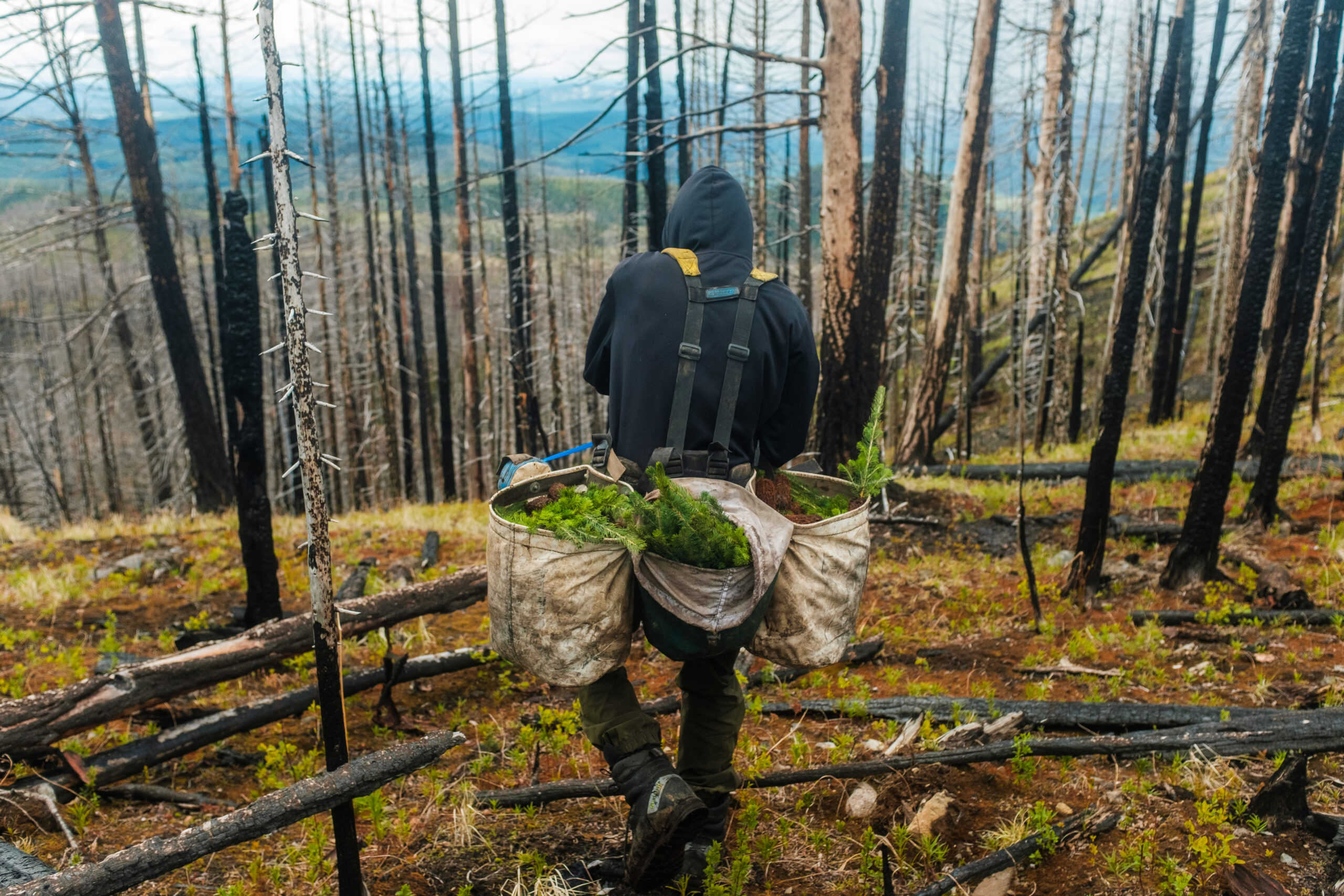
From Elephant Hill to Canim Lake, their First Nations-led work has replaced fire-ravaged forests with more fire-resistant and biodiverse habitats, supporting local wildlife and local people alike.
Repairing wetlands
Wetlands may be among the most productive ecosystems on Earth, providing habitat, filtering water, storing carbon and reducing floods, but too many have been degraded or drained over time.
Since 2018, the yaqan nukiy First Nation has been leading one of the country’s largest wetland restoration efforts. Working across more than 500 hectares of their territory in the Lower Kootenay region, they’ve been reconnecting waterways, removing dikes and restoring natural floodplain processes while improving habitat for burbot, trout and Kokanee salmon.
Improving water quality improves shellfish quality
Coastal waters start upstream, and when watersheds function well, that freshwater is filtered and clean by the time it enters the ocean. On the Semiahmoo peninsula, in the southwestern corner of the Lower Mainland, we’re supporting partners to improve water quality and habitat conditions in Semiahmoo Bay by fixing leaking pipes, separating sewage and stormwater, and planting streamside vegetation on riparian buffers to help filter runoff from agricultural lands. These efforts contribute to Semiahmoo First Nation’s goal of reopening their traditional shellfish harvesting areas.
Next-gen conservationists
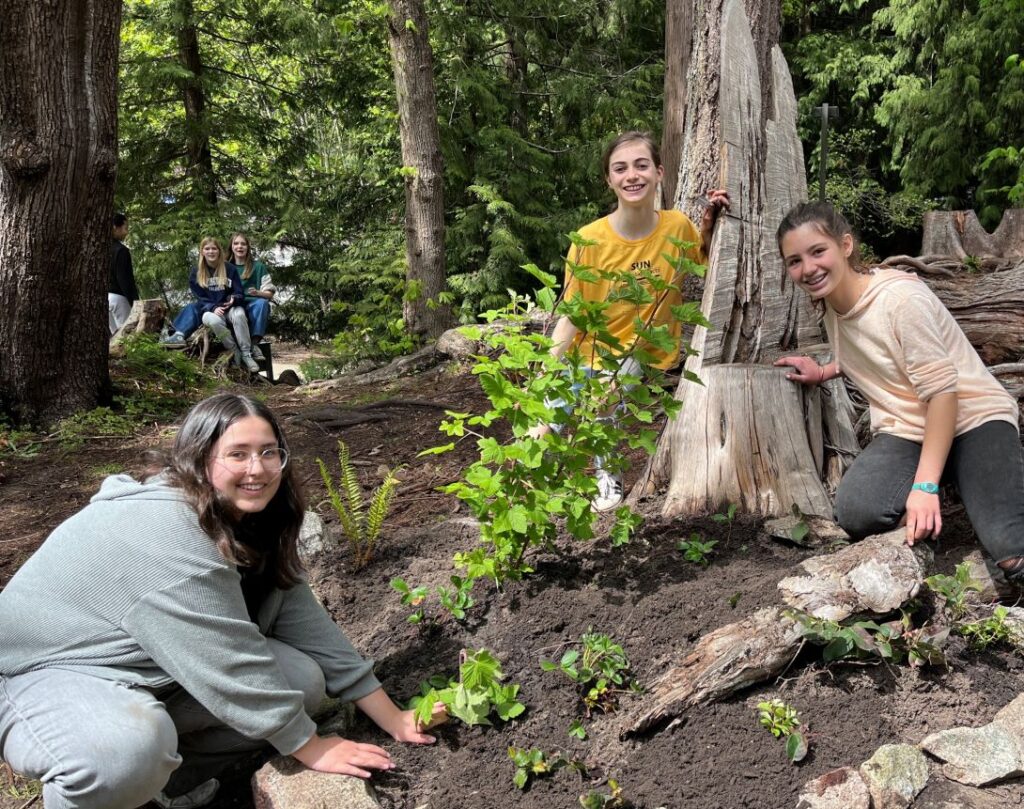
Young people across the province are also taking action in their own schoolyards, campuses and communities through hands-on restoration projects that help them connect to nature close to home.
Through WWF-Canada’s Go Wild Grants program, these students are creating pollinator gardens, planting native species and transforming local green spaces into healthier habitats for wildlife.
Growing B.C.’s restoration movement
While each of these projects is unique, together they tell a larger story: conservation is about more than protecting what we still have — we also must bring back what we’ve lost or degraded.
That’s why restoration is gaining so much momentum across B.C. as communities across the province show that when we invest in nature, it pays off for wildlife and the rest of us, too.