How polar bear conservation can influence marine life
Protecting polar bears could help safeguard a much wider web of Arctic marine life. According to new research led by the University of Alberta in Canada, polar bears can act as an “umbrella species,” meaning that conserving the areas they depend on may also help to protect other species that share the same habitat.
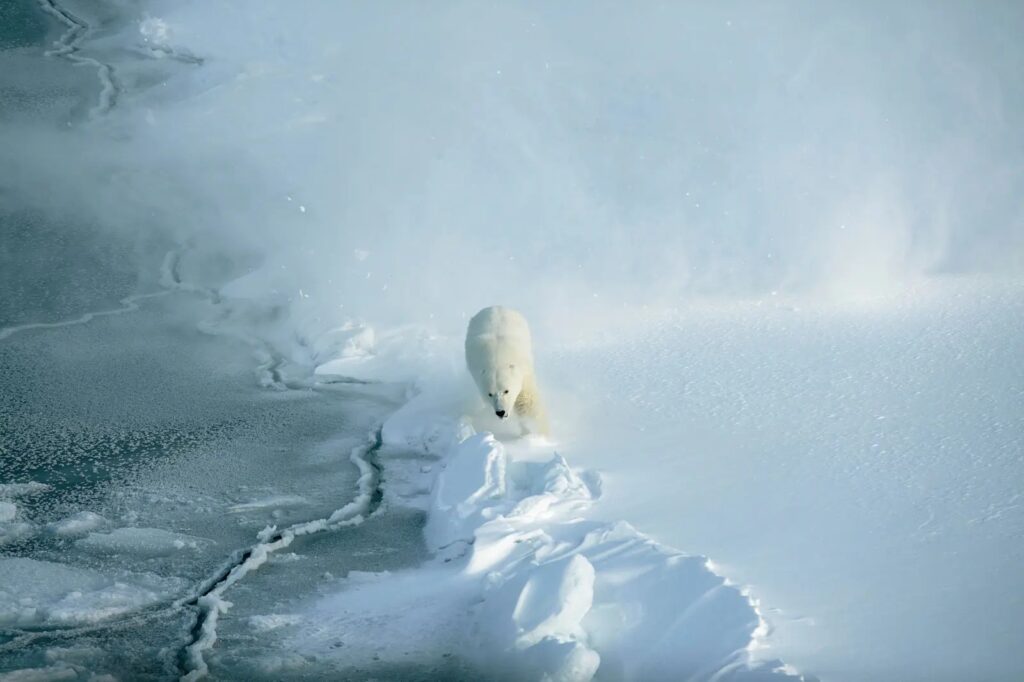
Using two decades of tracking data from hundreds of bears in western Hudson Bay, researchers identified key areas where polar bears spend much of their time.
These zones overlap with important habitat for seals — the bears’ primary prey — as well as other marine species.
Because polar bears frequent areas where prey are available, protecting these areas may offer broader ecological benefits, although this approach does not account for all species and ecological processes in Arctic marine systems.
Polar bears also support other wildlife by leaving behind carcasses that feed scavengers like Arctic foxes, wolves, ravens and gulls.
These findings suggest top predators can shape the Arctic ecosystem and, in practice, could help guide the design of marine protected areas in regions where detailed biodiversity data are often limited. In this way, polar bear data could serve as an objective starting point for conservation planning in areas where other information is scarce.
This article originally ran in the WWF Global Arctic Programme’s magazine, The Circle