Why the High Seas Treaty is a high priority for protecting ocean life
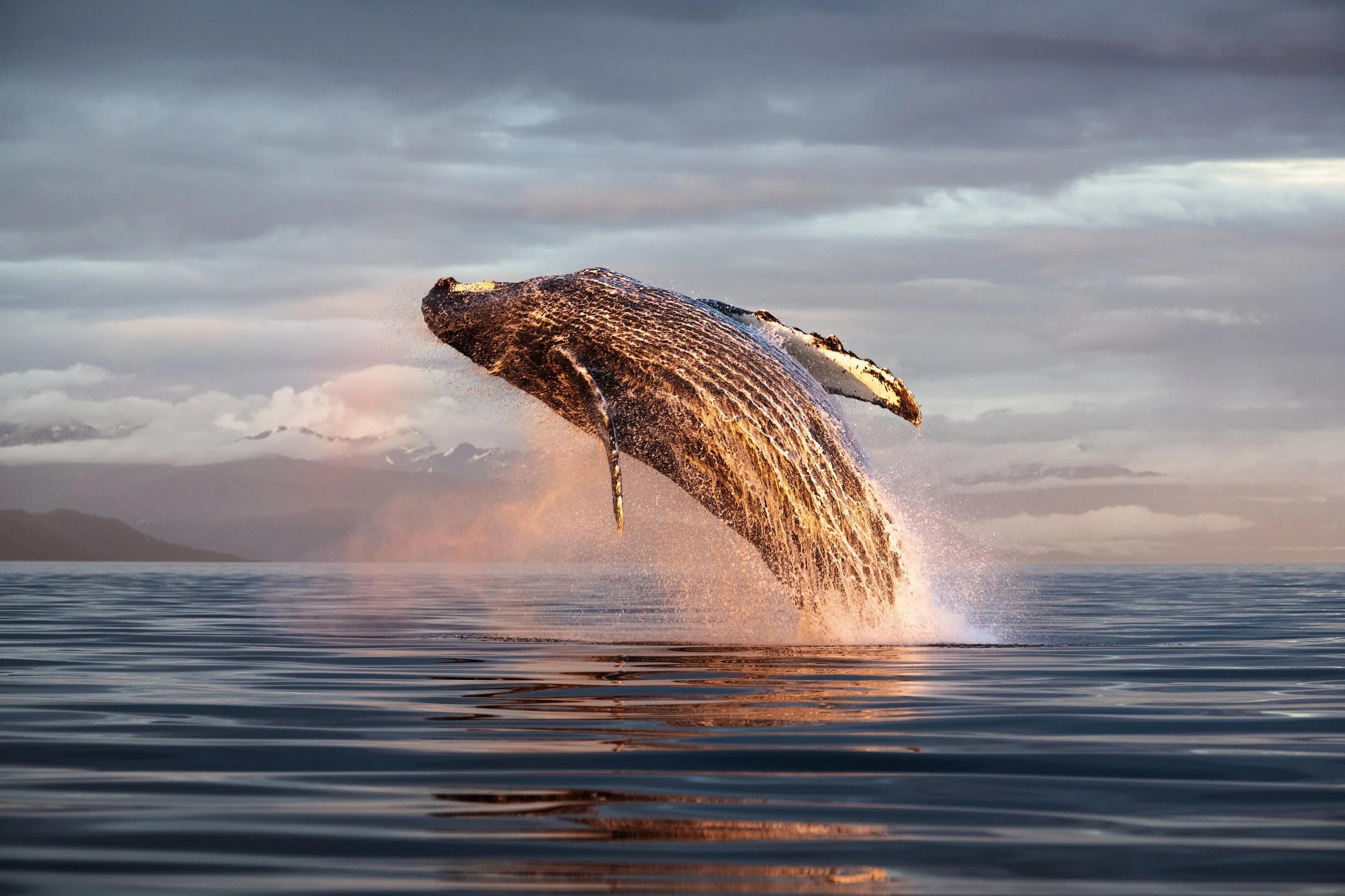
Whales and other ocean species don’t abide by borders. Their lives and migratory routes can span thousands of kilometres, crossing countries’ invisible marine boundaries and out into the high seas.
These international waters that lie beyond any country’s territorial seas (12 nautical miles from shore) and Exclusive Economic Zones (12 – 200 nautical miles) have historically offered next to no protections for marine life and their habitats. But they won’t be (mostly) lawless much longer.
After 18 years of UN negotiations, the High Seas Treaty came into force earlier this year. Formally known as the Agreement on Biodiversity Beyond National Jurisdiction, or BBNJ, it’s an unprecedented pact to conserve the two-thirds of the ocean that are “owned” by no nation, cover half the planet and represent over 90 per cent of Earth’s habitat by volume.
The treaty allows for marine protected areas (MPAs) and requires environmental impact assessment for harmful human activities in international waters.
In this new era of global governance, nations will be expected to work together to address mounting threats to marine ecosystems from shipping, harmful fishing practices, seabed resource extraction and climate impacts like ocean acidification.
And in this new era of Canadian trade diversification, relying on international shipping to get our goods to faraway markets will make it increasingly important to decrease our impact on ocean biodiversity.
How conserving the high seas could help safeguard Canada’s home seas
“Bound by three oceans and boasting the largest coastline in the world, Canada has both a huge responsibility to ensure the High Seas Treaty succeeds and an extraordinary opportunity to shape the future of ocean conservation,” said Sam Davin, WWF-Canada’s lead specialist for marine conservation.
Davin says Canada should start by shoring up domestic conservation efforts for blue whales, north Atlantic right whales, and other at-risk marine species. Then if we connect our own MPAs with a network of international MPAs along whale migration routes known as “blue corridors,” we can help keep these massive marine mammals safe across their range.
This international treaty can also indirectly help strengthen domestic conservation. For instance, when Canada finally follows through on its federal policy commitment to restrict operational discharges in MPAs, vessel discharge restrictions will only be mandatory within our territorial seas due to superseding international shipping rules. While the High Seas Treaty isn’t a direct lever to expand national protections into Exclusive Economic Zones, it could reshape the international expectations about protecting waters further from shore.
Protecting the ocean at the top of the world
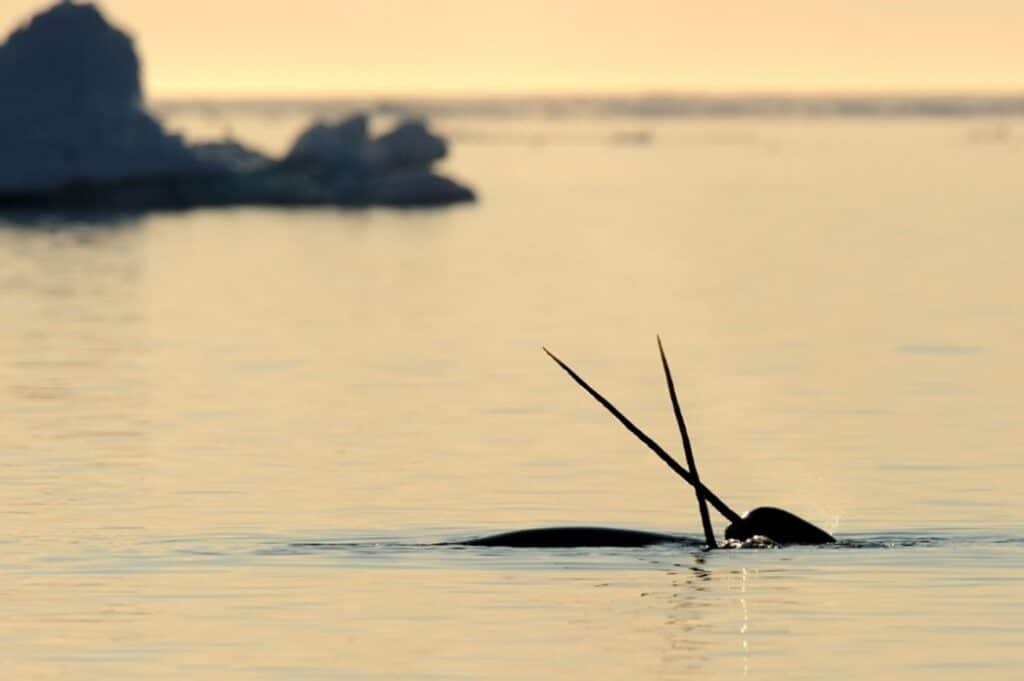
As the Arctic continues warming three times faster than the rest of the planet, the Last Ice Area region above Canada and Greenland will become a climate refugia for polar bears, walrus, narwhal and bowhead whales.
The High Seas Treaty now provides an opportunity to extend conservation efforts further out into the Central Arctic ocean, safeguarding the last stronghold of summer sea ice from industrial activity before it’s too late.
But first, Canada must come on board
So far, only 145 of 198 countries have signed on and a little more than half have since ratified it. When the High Seas Treaty finally set sail on January 17, just 85 countries were on board. Despite being one of its biggest initial champions, Canada was not among them.
Davin suspects Canada’s treaty adoption process could be a hold up. Before an international agreement can be ratified through a regular legislative process, a legal assessment is done to determine how the treaty’s obligations can be fulfilled in domestic law.
Until then, Canada risks being left out of major decisions affecting marine life, ocean health and our economy.
The good news is that this just the start of the voyage. The next stop is an implementation planning meeting in New York City in March, then onward to the treaty’s first COP (Conference of Parties) summit in 2027.
Canada’s moment to protect marine biodiversity is here. We cannot miss this boat.